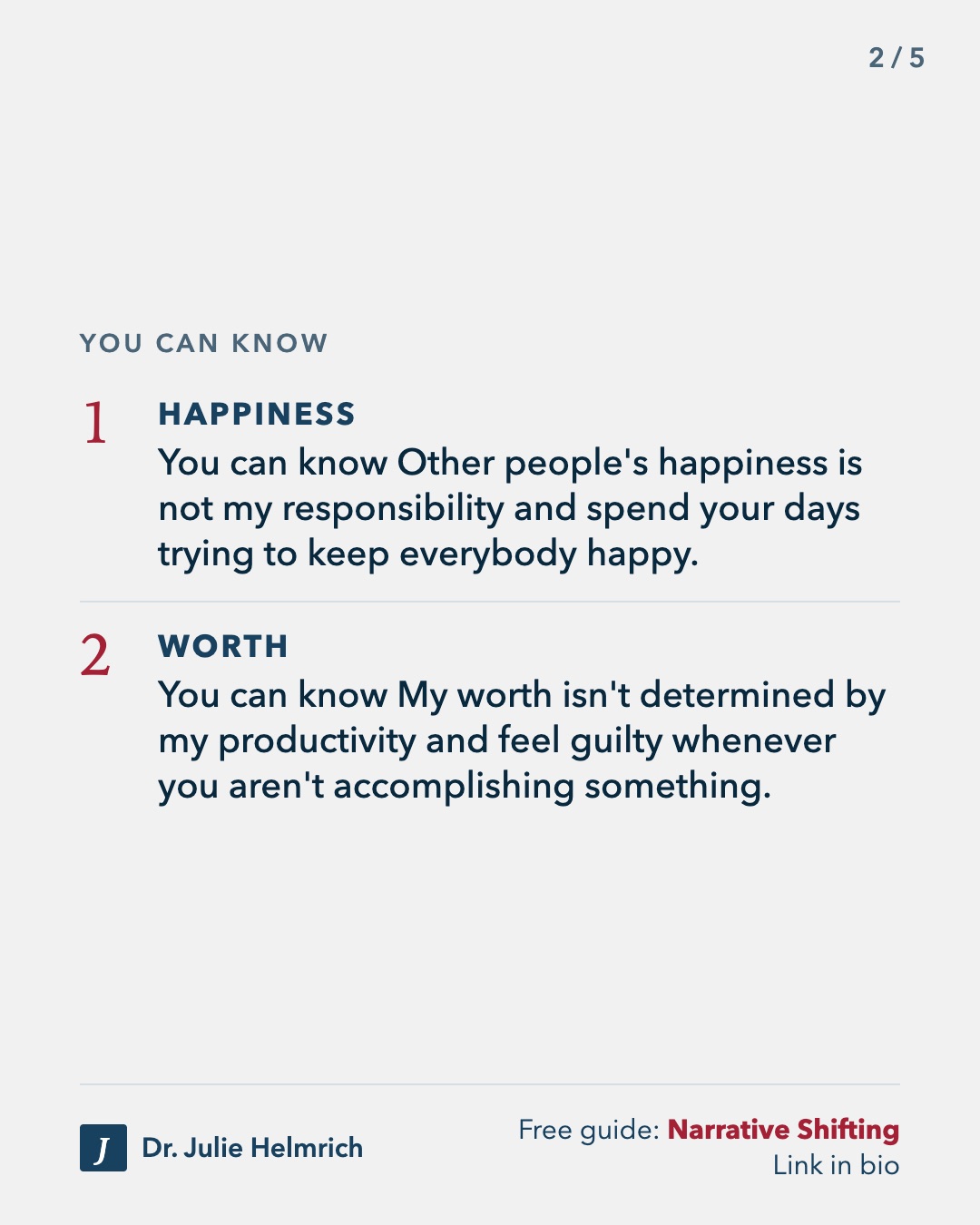
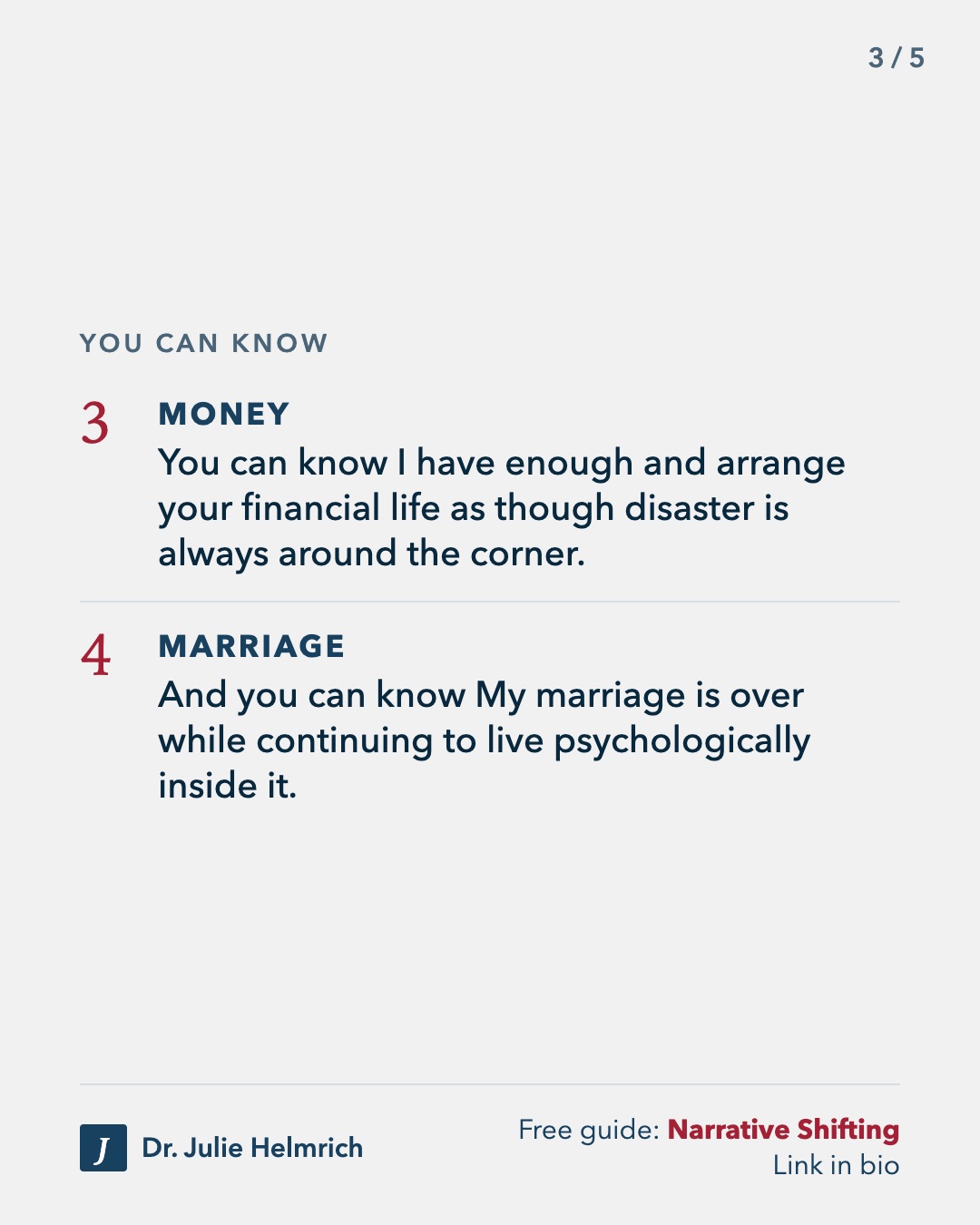
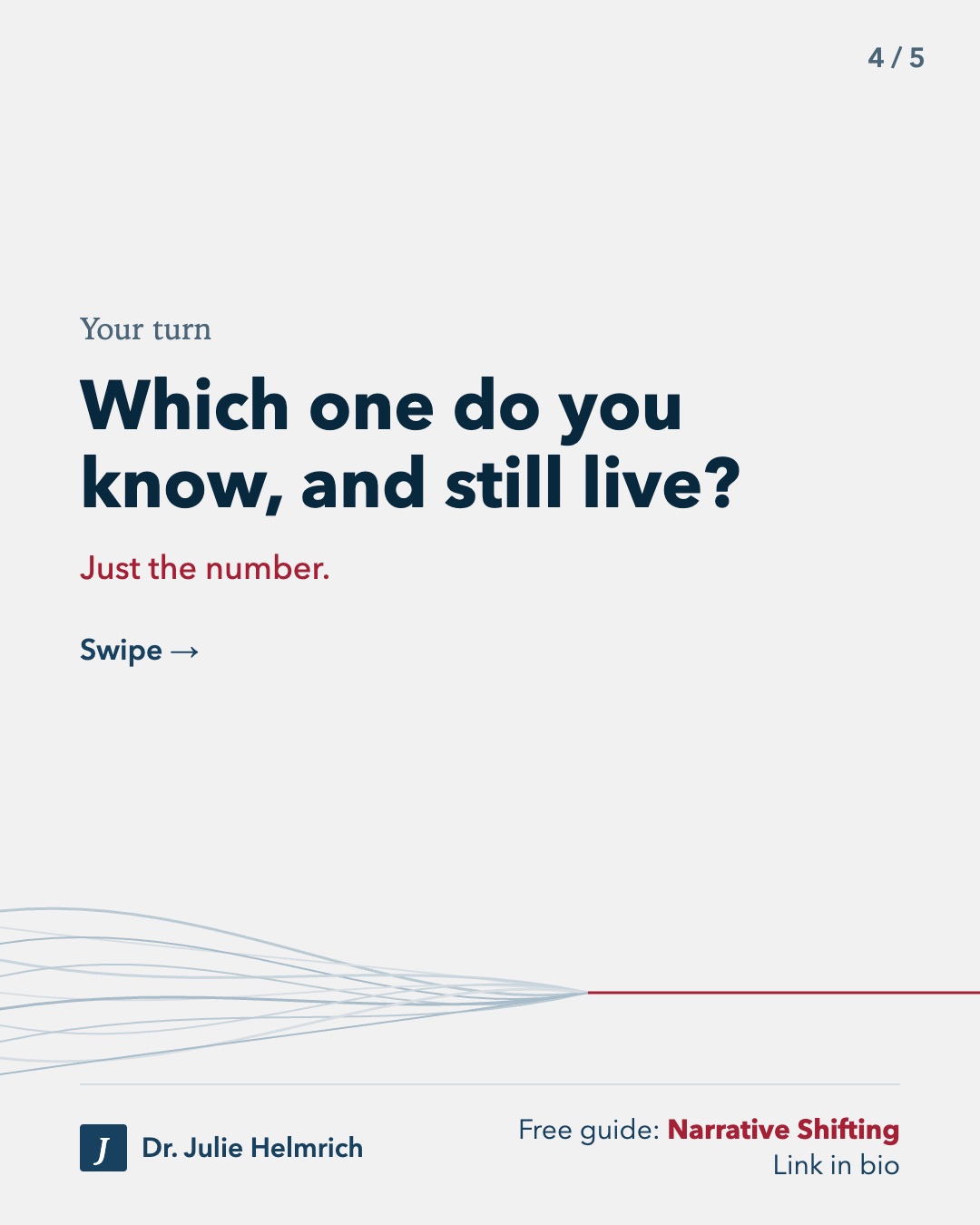
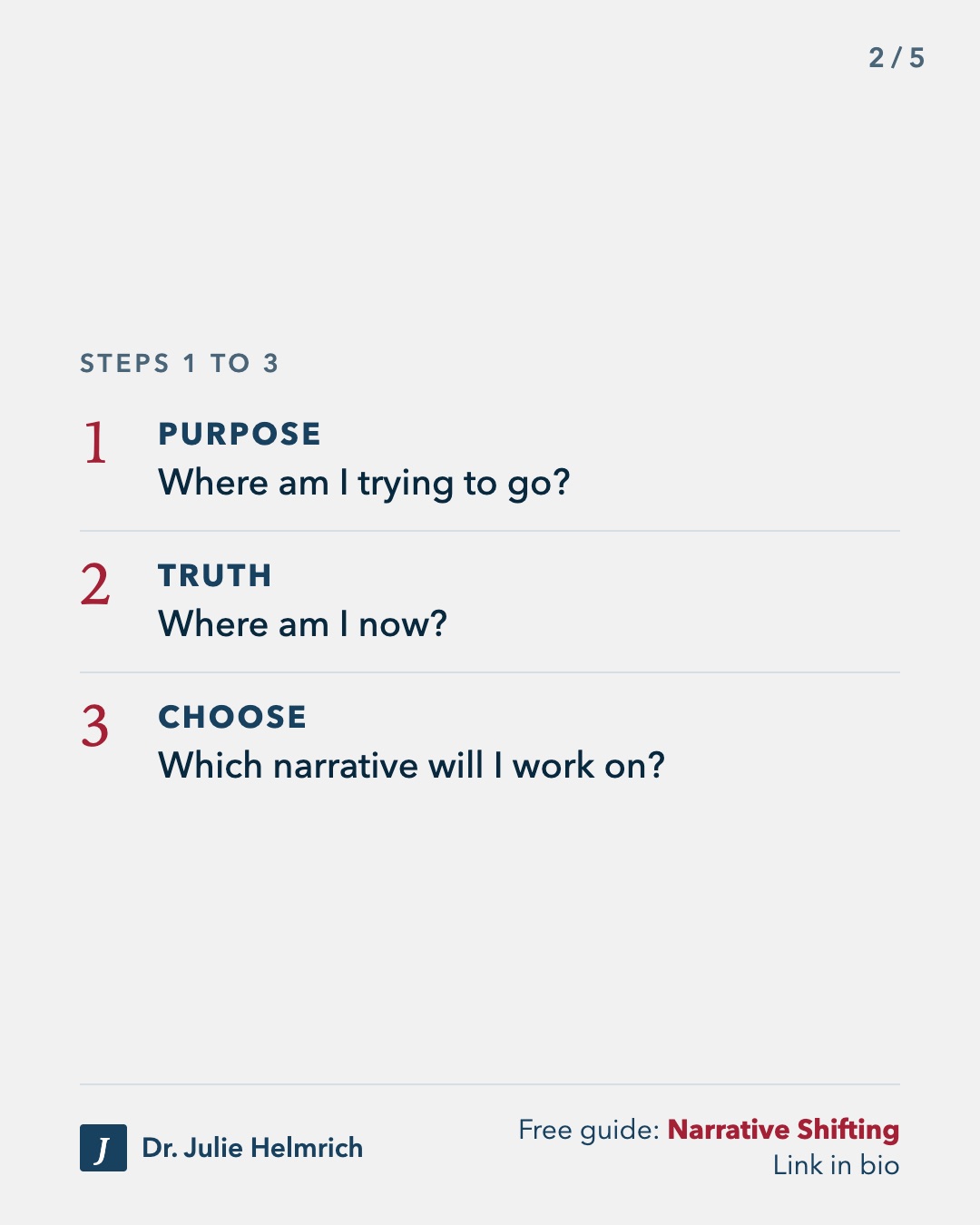
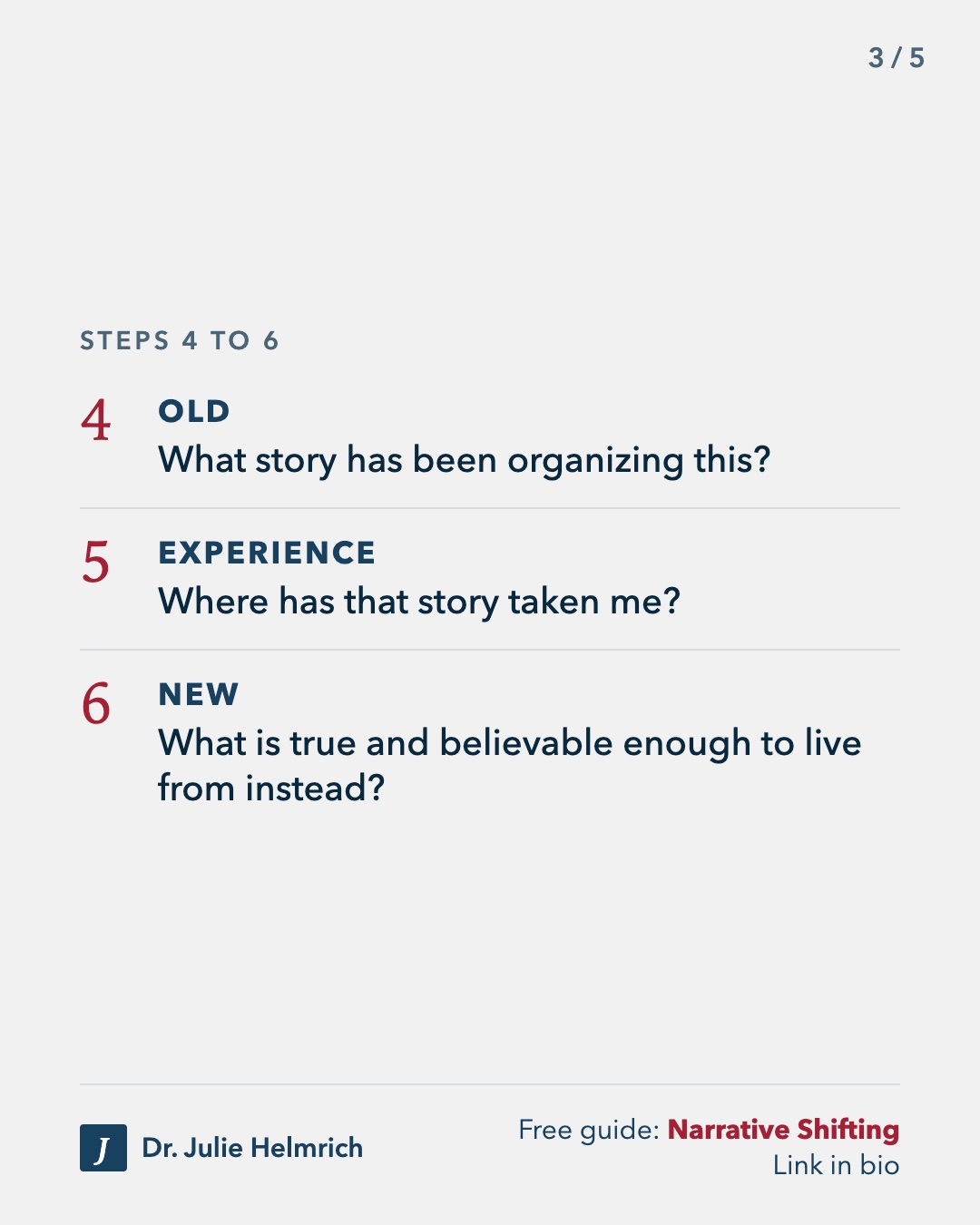
60 draft posts, each shown on the five platforms connected in GHL. Tap a post to see it; approve or comment on it in the Post plan sheet, where each row links back here. Every post opens with a hook, gives something useful from the guide, and asks a question people can answer. Most end with one link to the free guide; the teaching posts marked below carry no guide line, so the feed feels generous rather than promotional. The link is the future guide page; each platform gets its own tracking tag, so GHL shows which posts bring sign-ups.
Facebook (personal)InstagramLinkedIn: link in first commentTikTok: video or photo carouselYouTube Shorts
New since October 16: all 60 posts are written. The 37 new ones follow the style you approved, with varied openings; ten are teaching posts with no guide line (marked under their title). Your fixes to P07, P31 and P44 are in, and each platform now uses one link rule.
Highlighted lines are word for word from the guide. Everything else is new wording for Julie to approve.
Post P01 · Chapter 1 · Chapter cover
What if everything isn't separate?
The guide's first question, asked the way Julie asks it: five problems may be one story.
Dr. Julie HelmrichJust now · Public
What if everything isn’t separate?
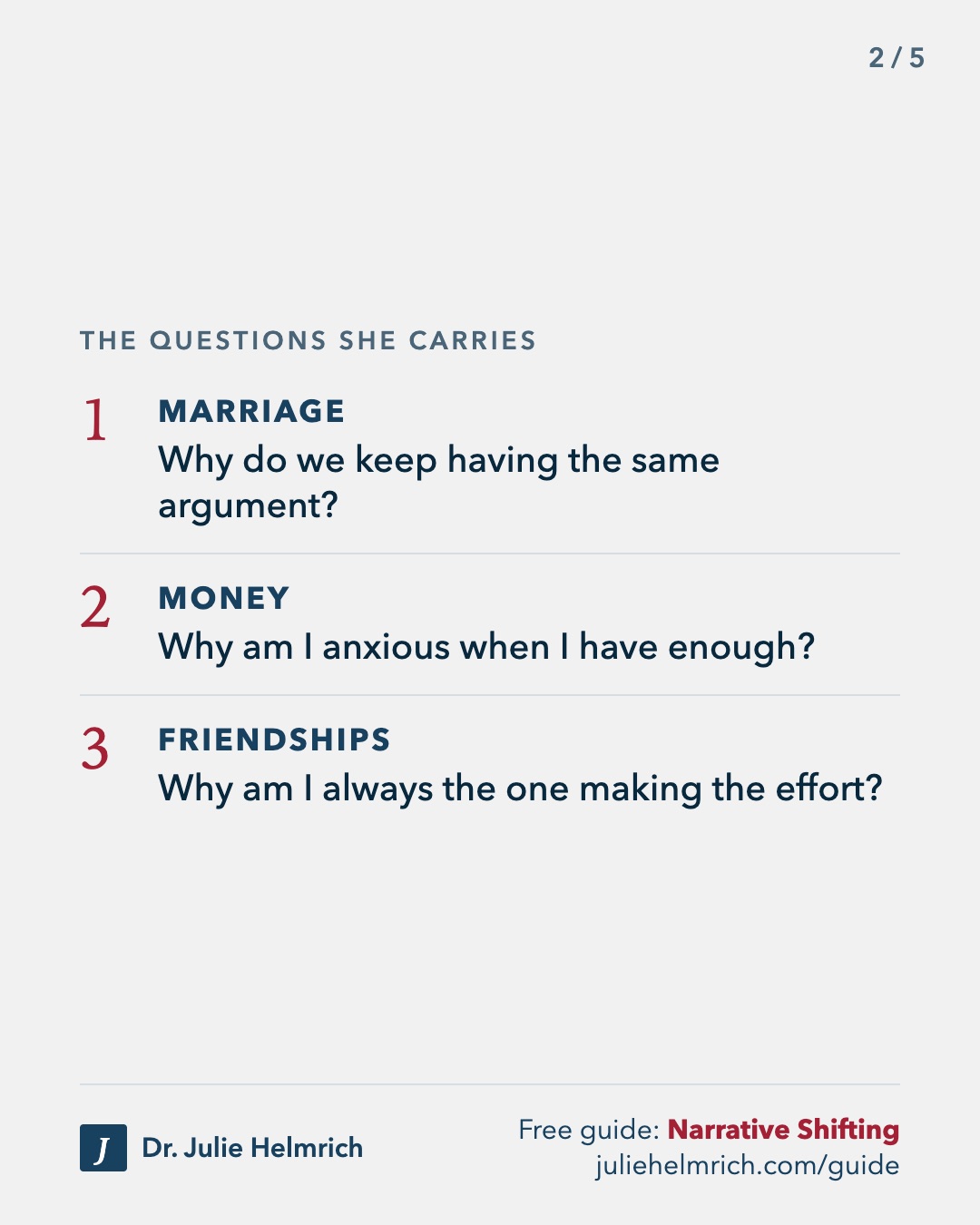
We tend to organize our problems as if we were filing cabinets: marriage, money, health, work, friendships, motivation.
When one area isn’t working, capable people often do what they know how to do. They make a plan for that problem.
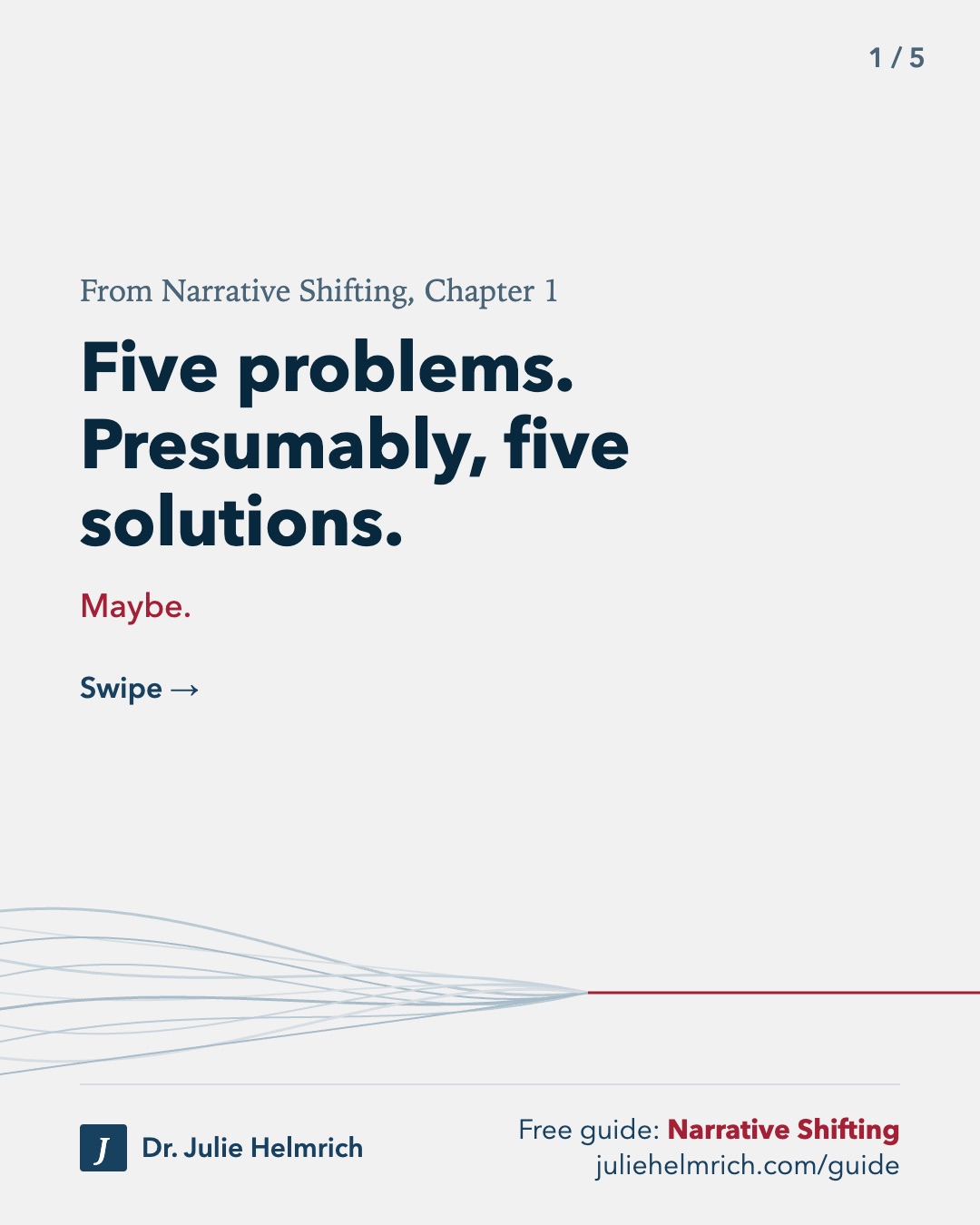
Before looking for five solutions to five apparently separate problems, it may be worth asking: What if everything isn’t separate?
Which drawer have you been working on the longest? Tell me in the comments.
Chapter 1 of my free guide, Narrative Shifting, starts with that question.
We tend to organize our problems as if we were filing cabinets: marriage, money, health, work, friendships, motivation.
A gardener would not necessarily buy a different spray for every struggling plant. Sometimes the more revealing question is: “What’s happening in the soil?”
Which problem at work keeps getting a new plan, and a new plan after that?
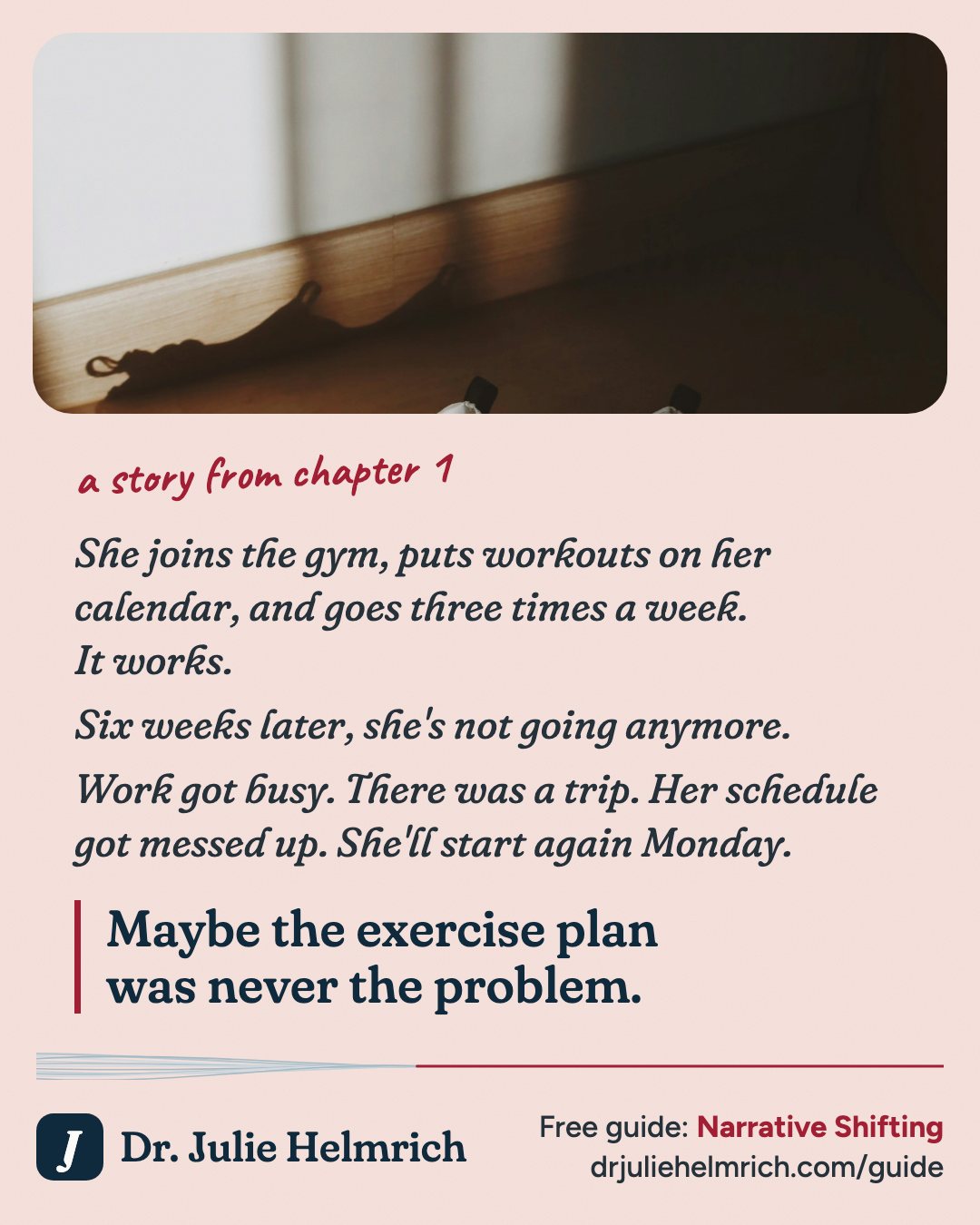
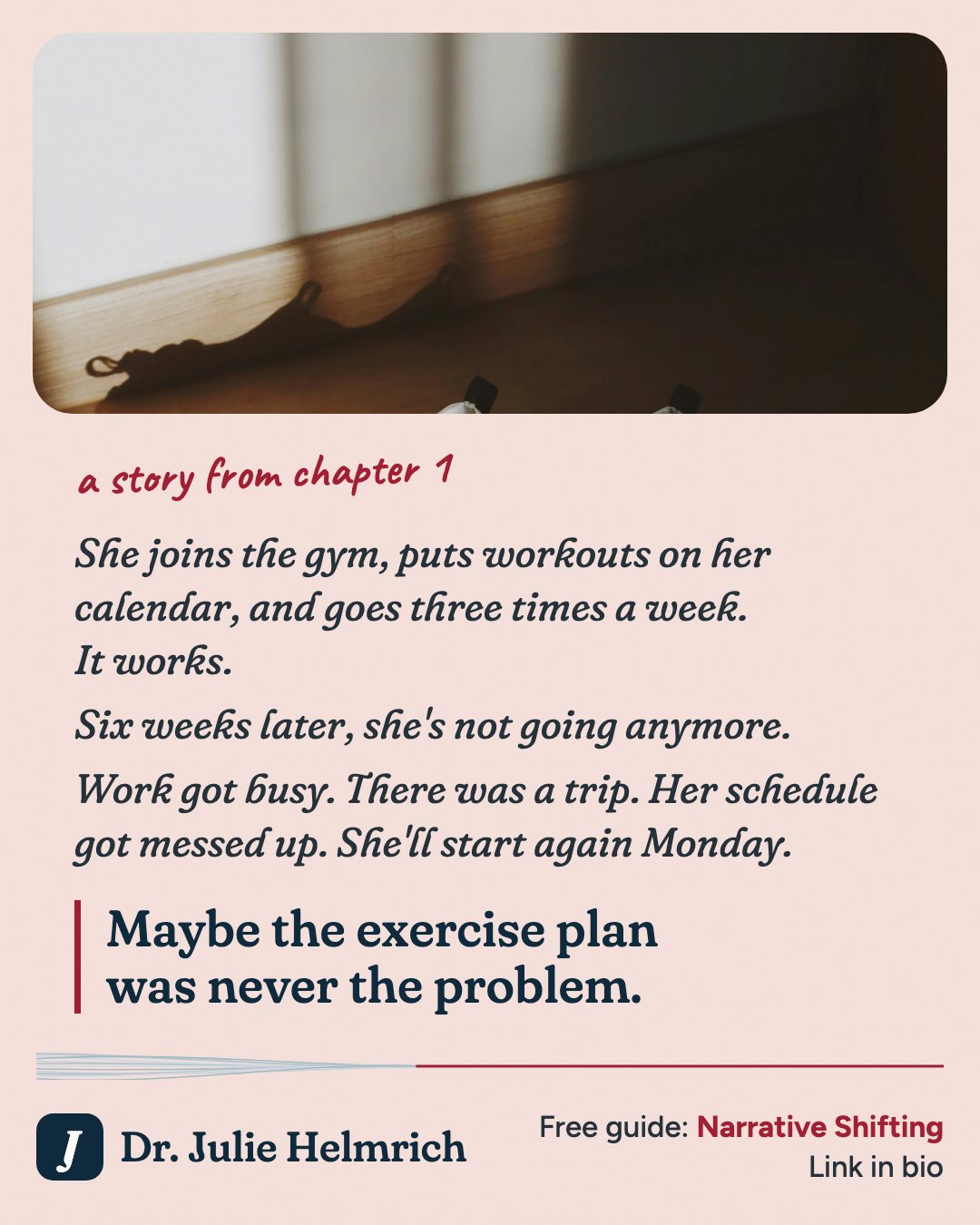
I see this quiet shame in high-functioning people. They're smart enough to make good plans and disciplined enough to follow them. They can see that the plans work. Then, for reasons they cannot quite explain, they stop.
We tend to organize our problems as if we were filing cabinets: marriage, money, health, work, friendships, motivation.
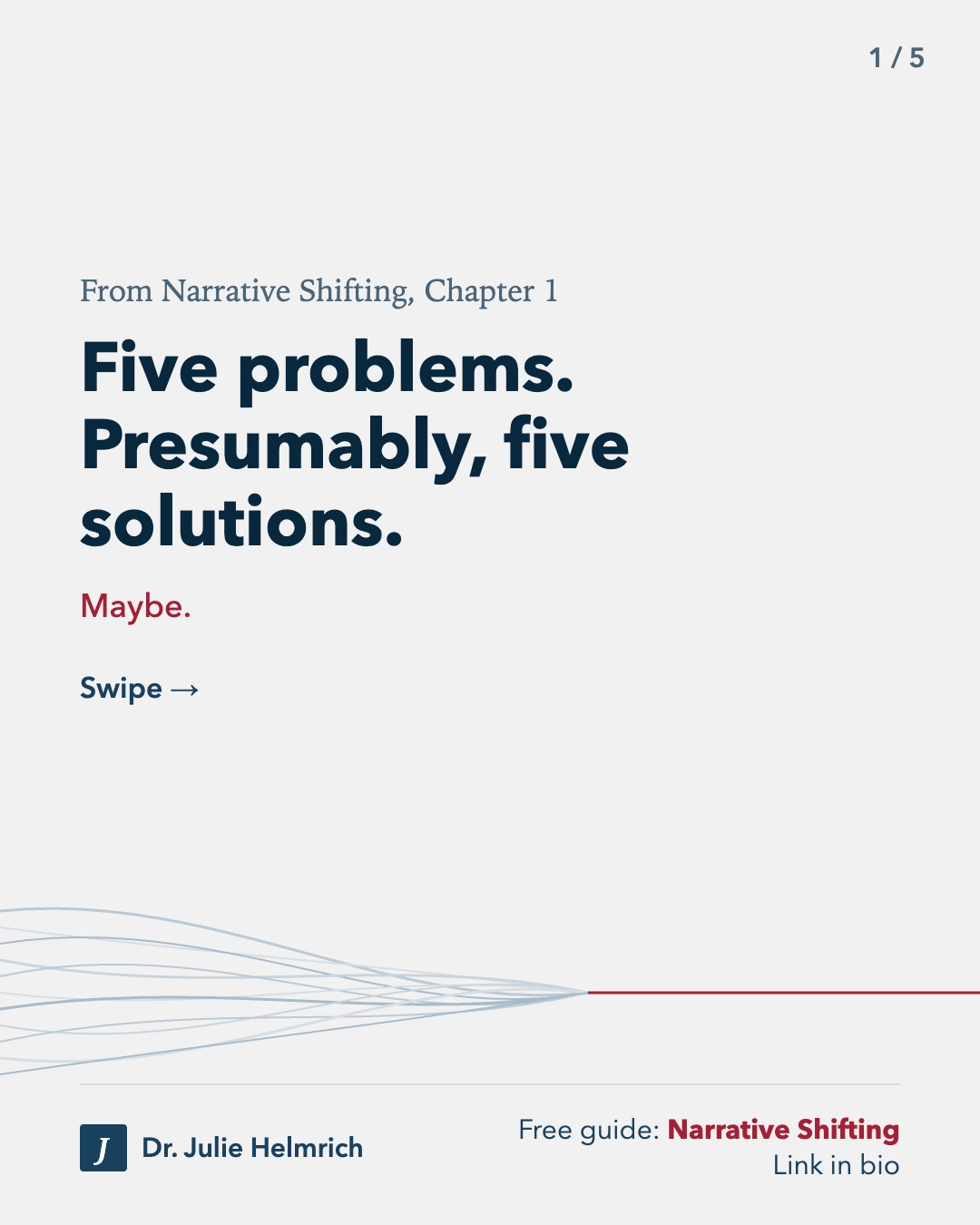
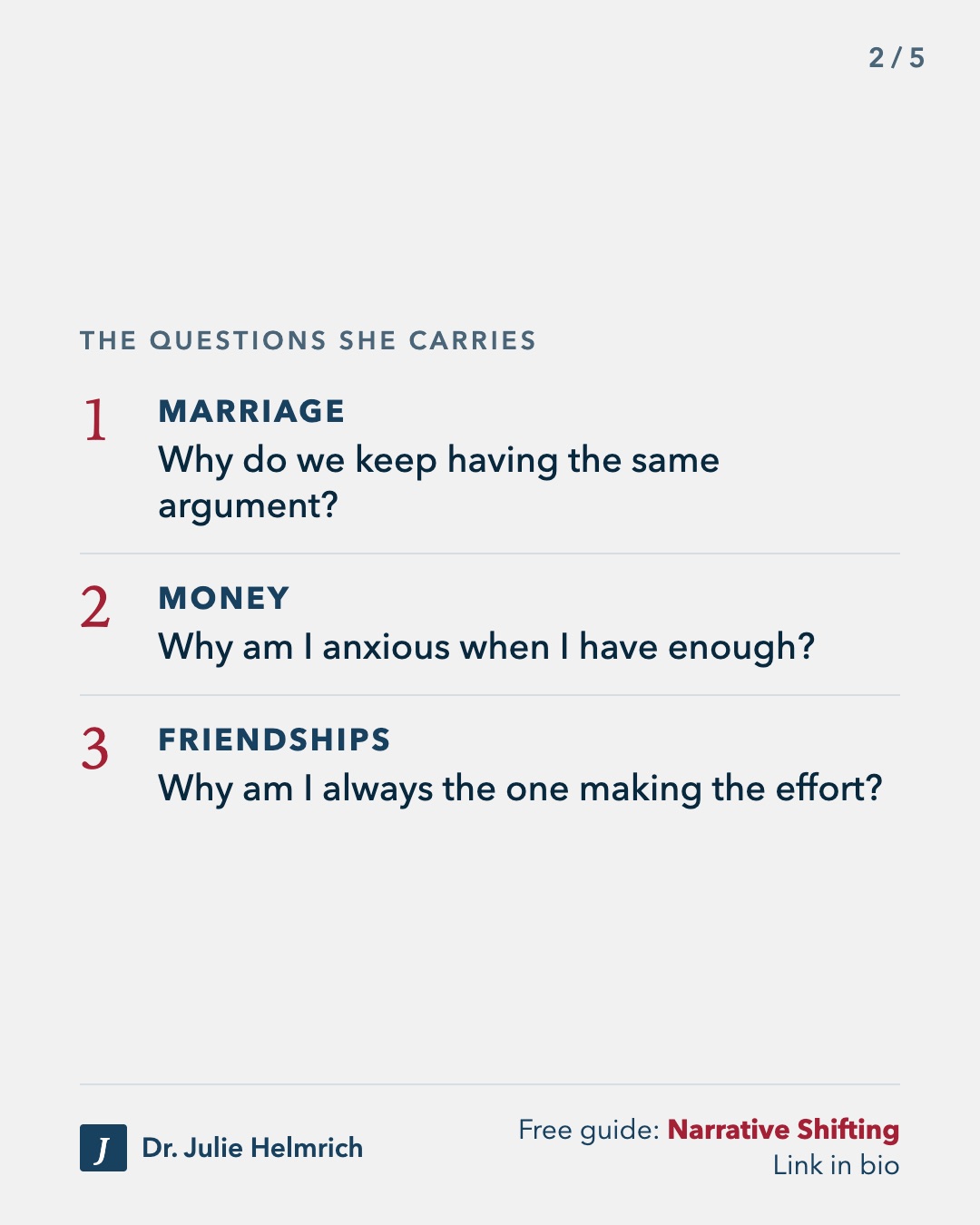
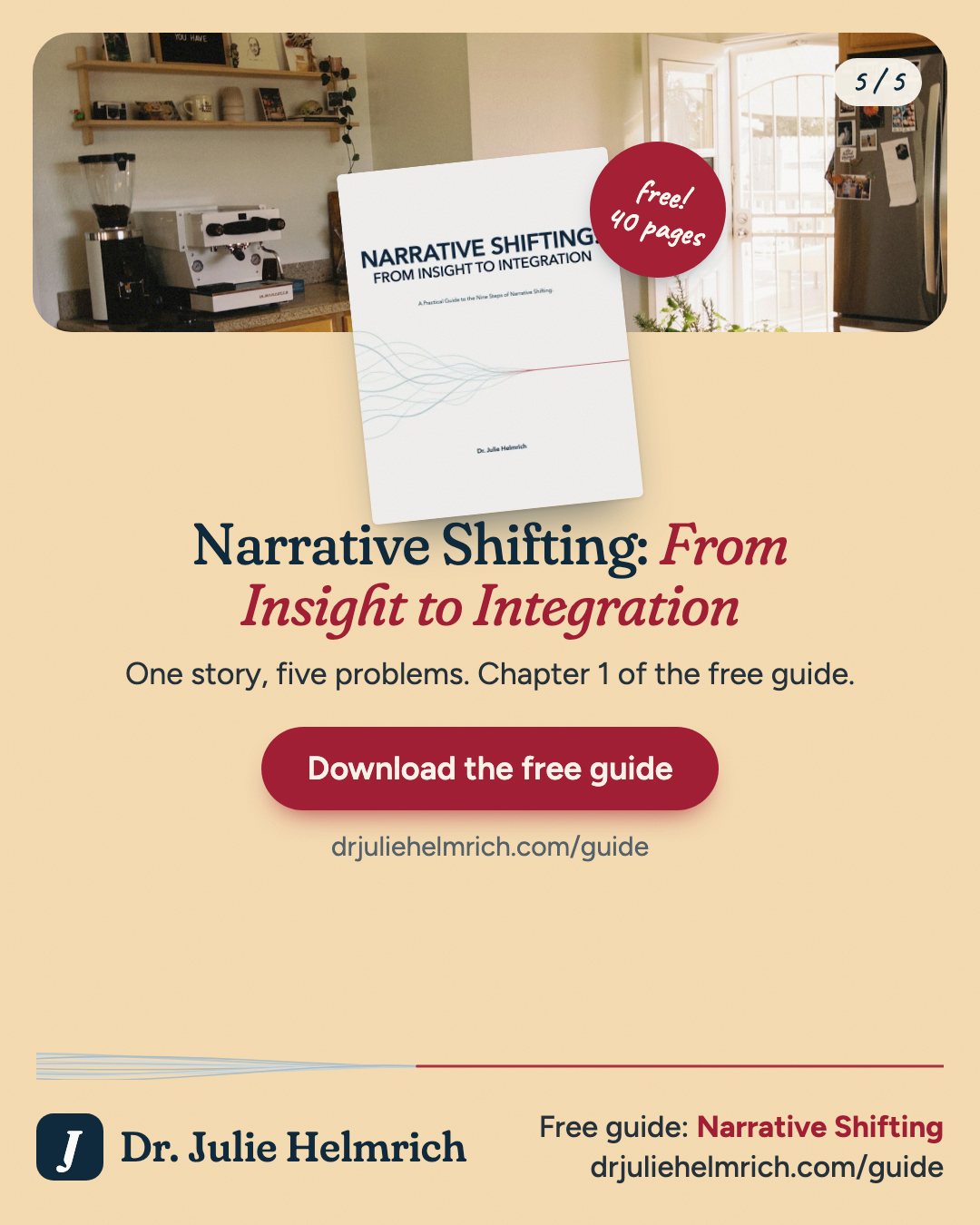
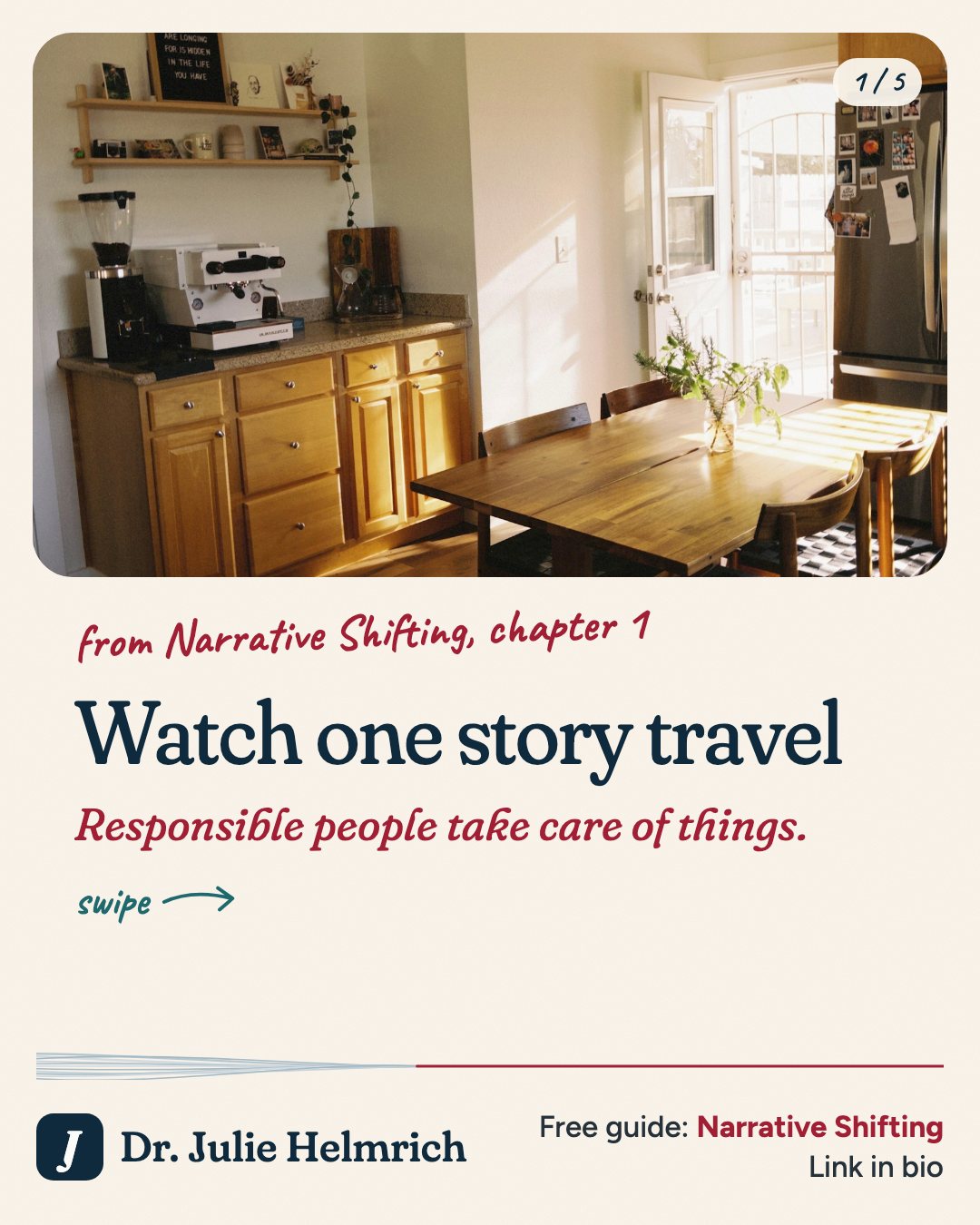
Chapter 1 of my new guide asks a different question: what if one story is running all of them?
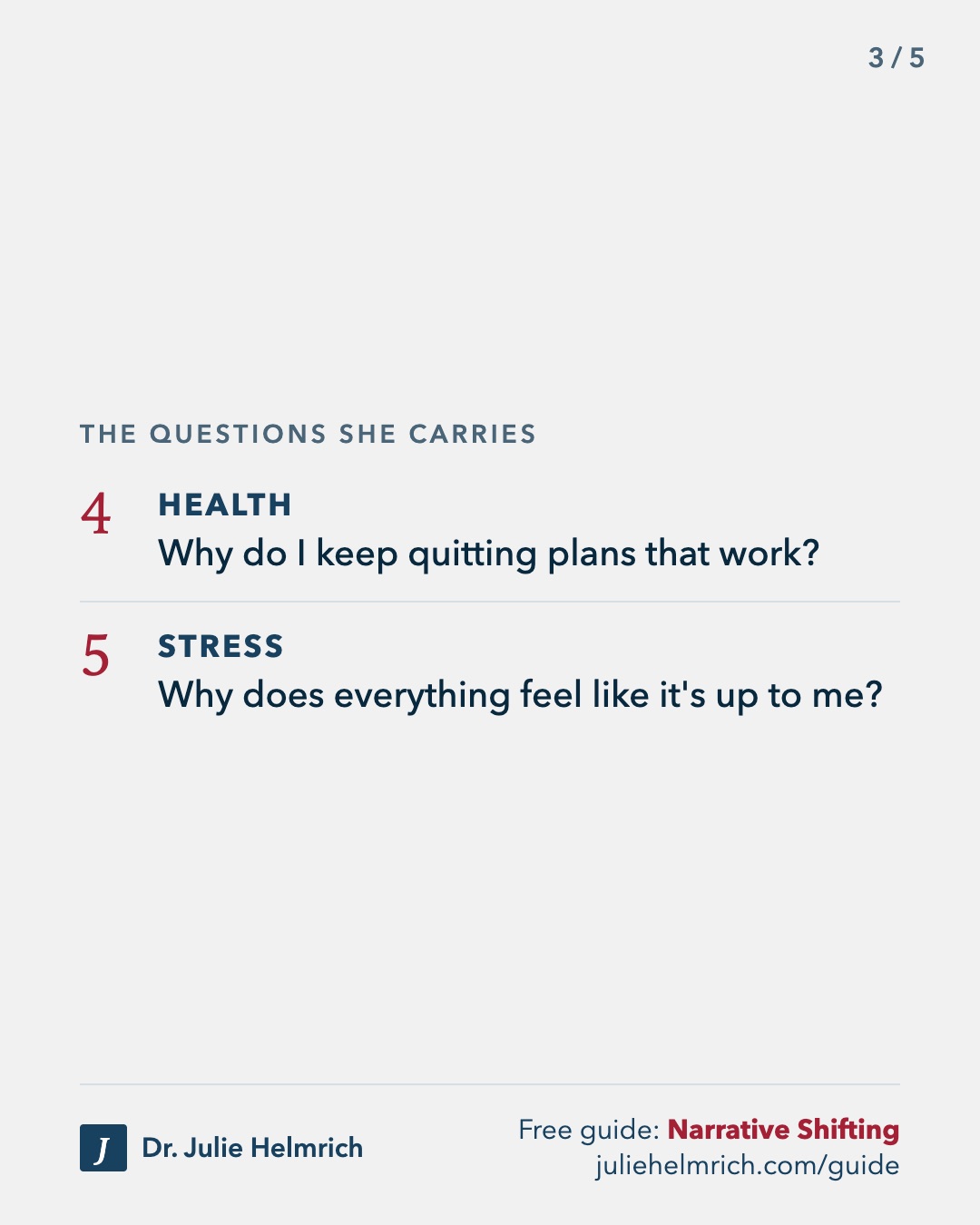
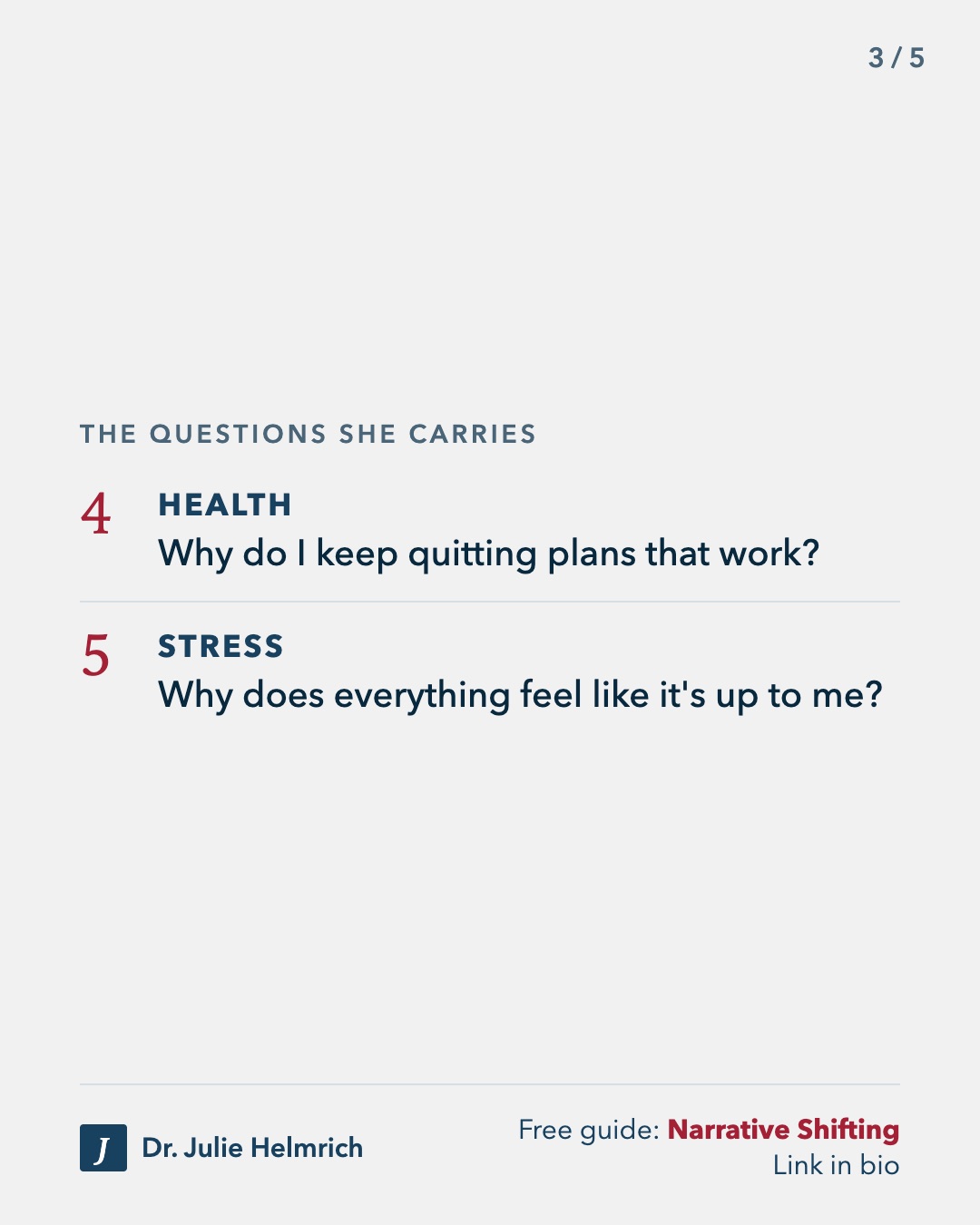
Which of the five questions in the slides do you hear most, in yourself or in the people you lead?
I see this quiet shame in high-functioning people. They’re smart enough to make good plans and disciplined enough to follow them. They can see that the plans work. Then, for reasons they cannot quite explain, they stop.
Maybe the exercise plan was never the problem.
Which good plan has your team made three times?
From Chapter 1 of my free guide, Narrative Shifting.
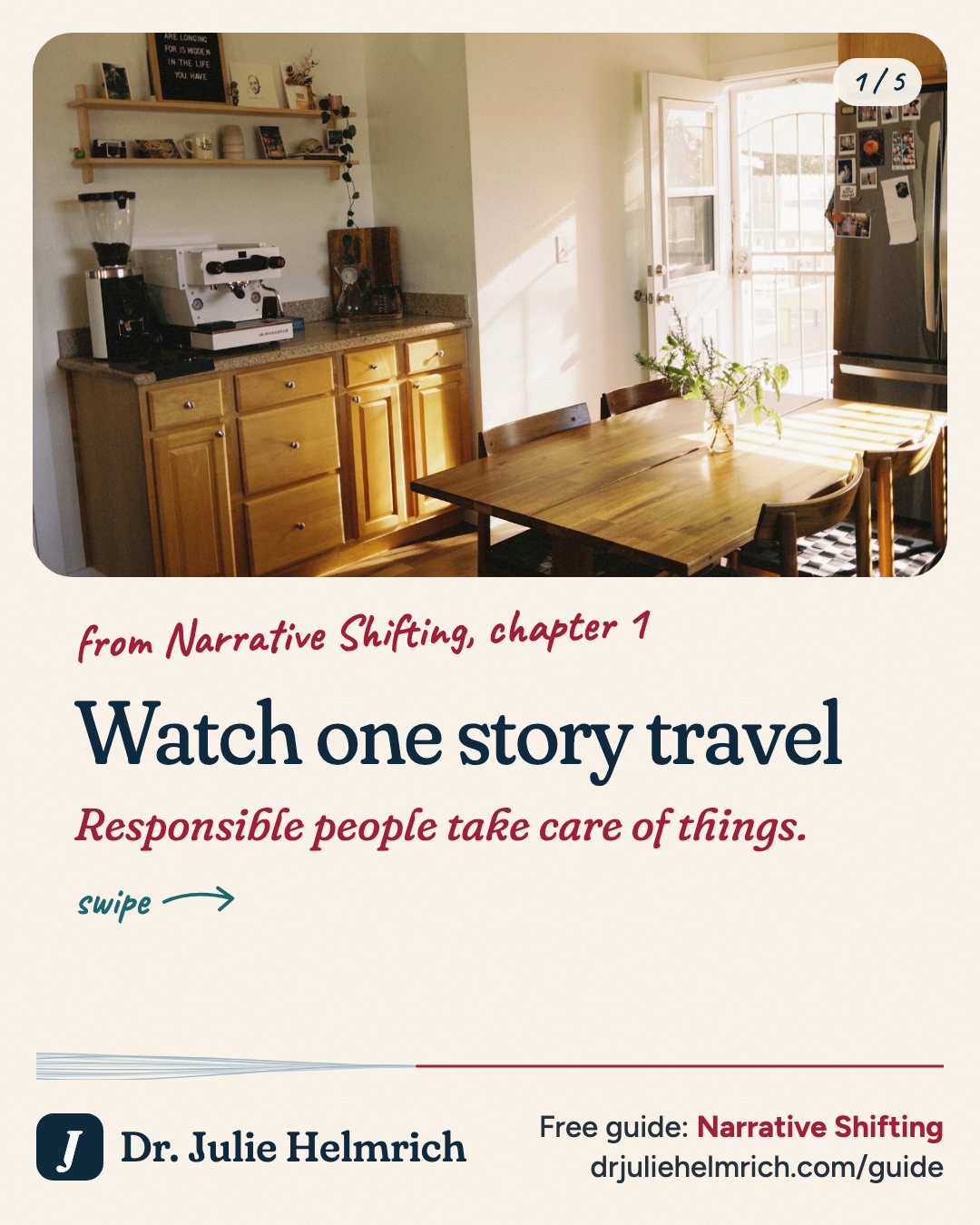
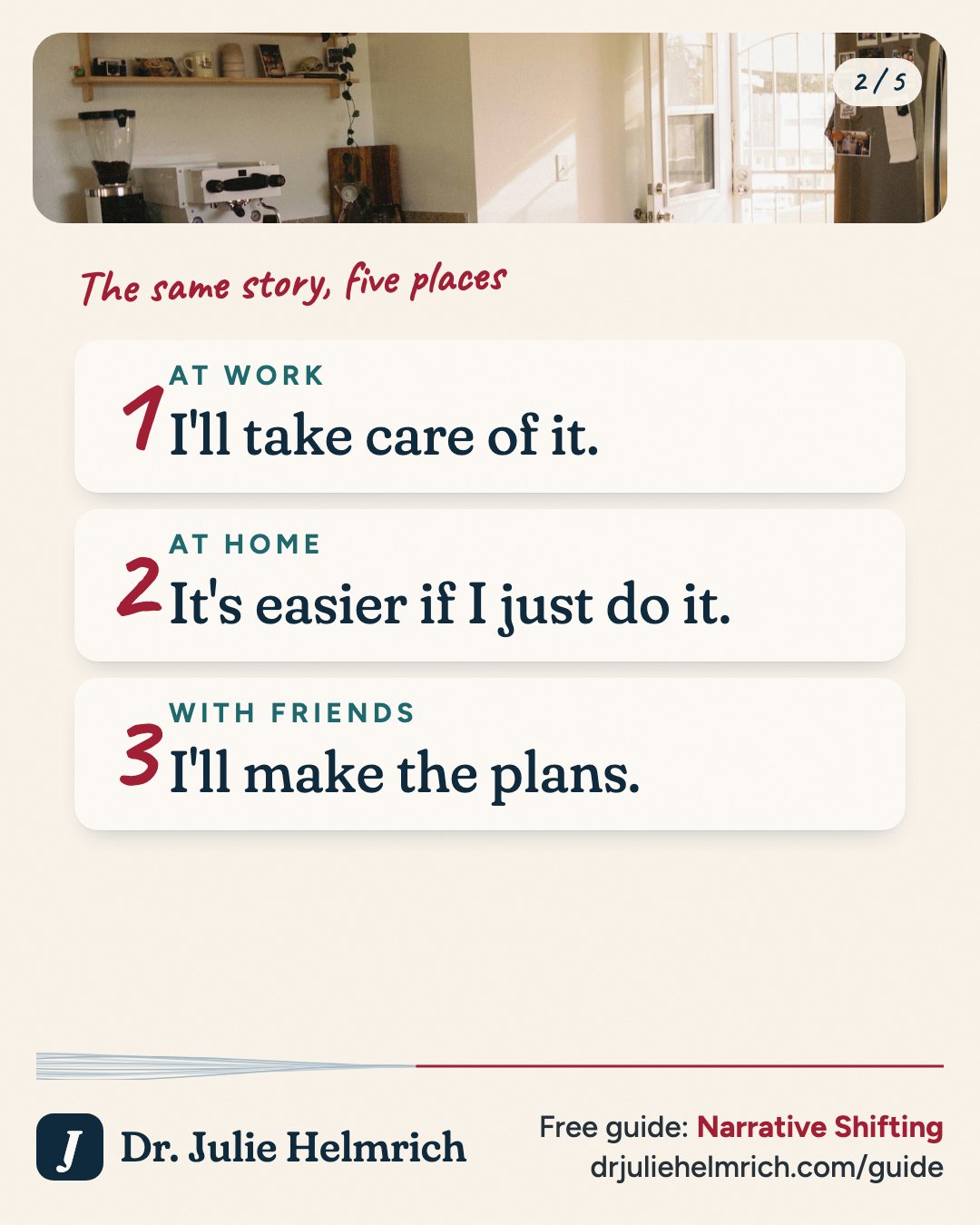
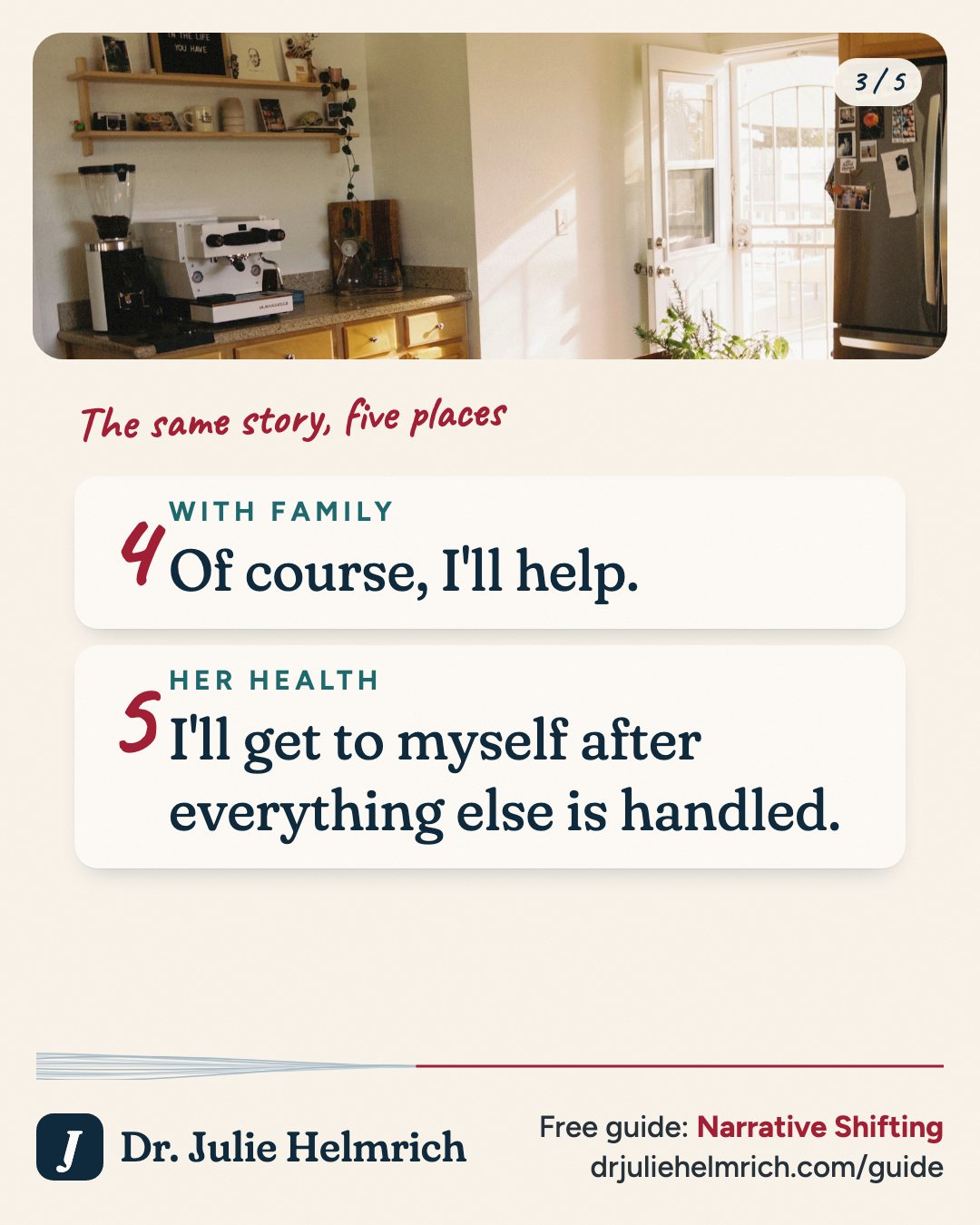
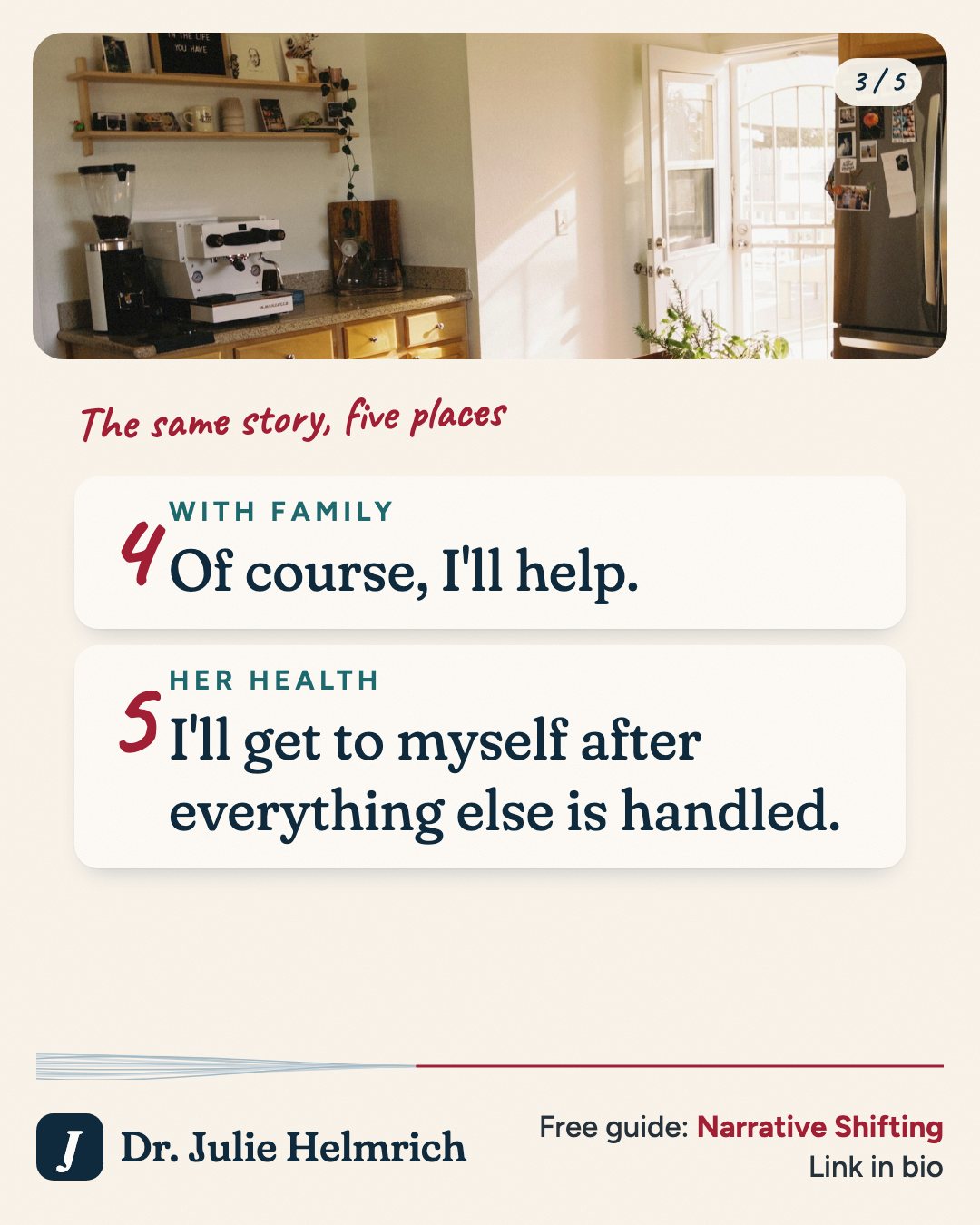
Maybe her difficulty sticking with it has something to do with a larger story about where she belongs on the list of people she’s responsible for taking care of.
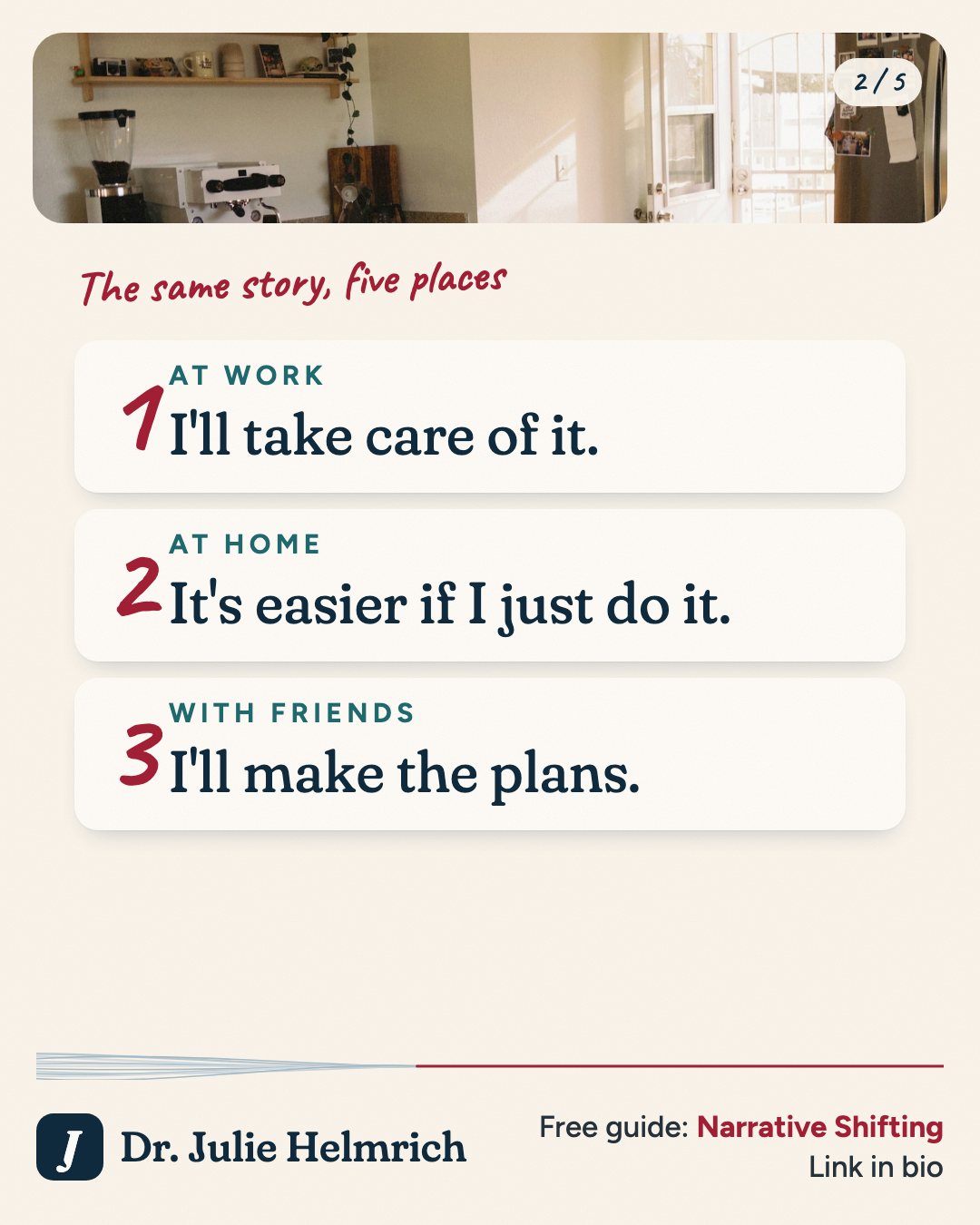
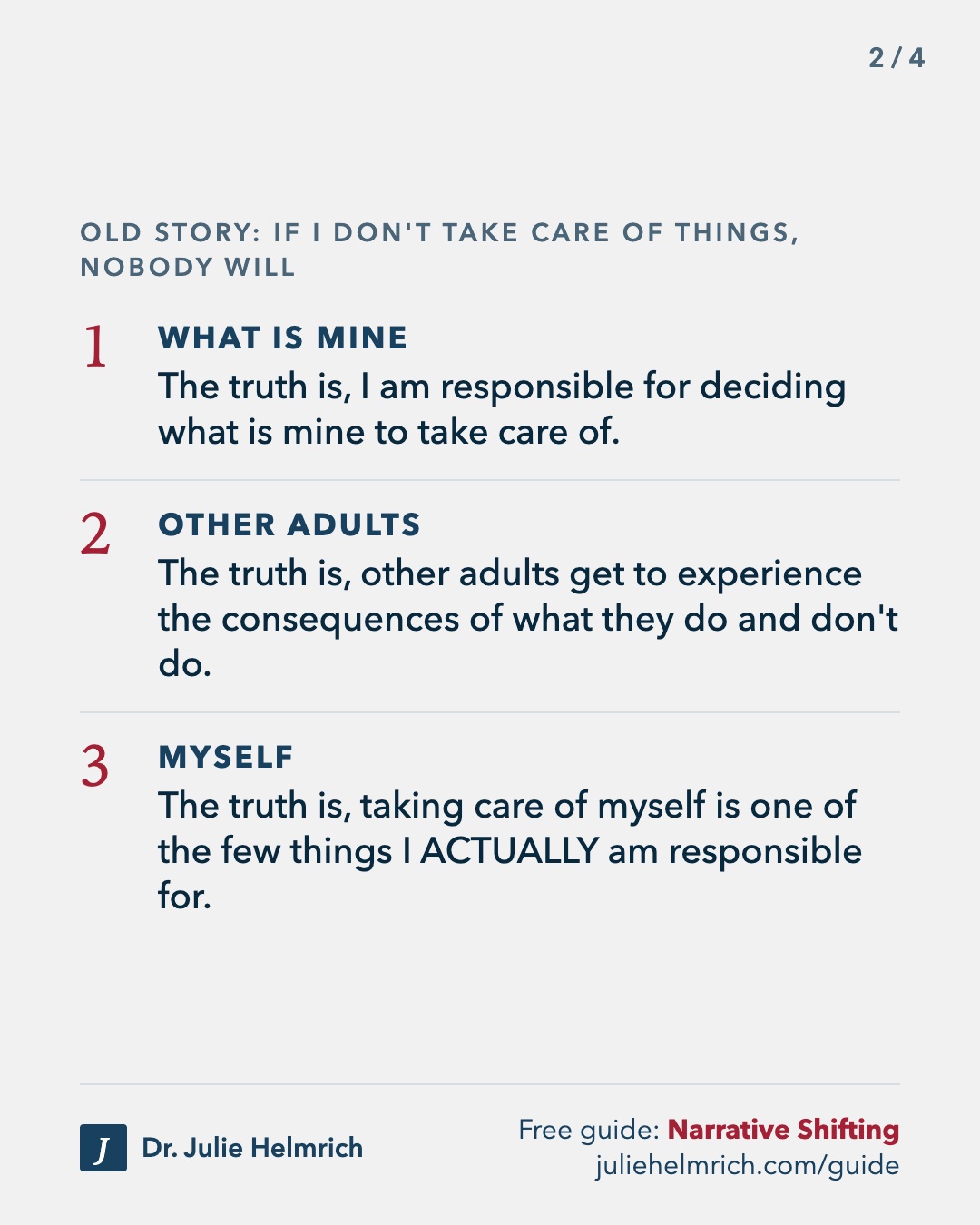
At work: I’ll take care of it.
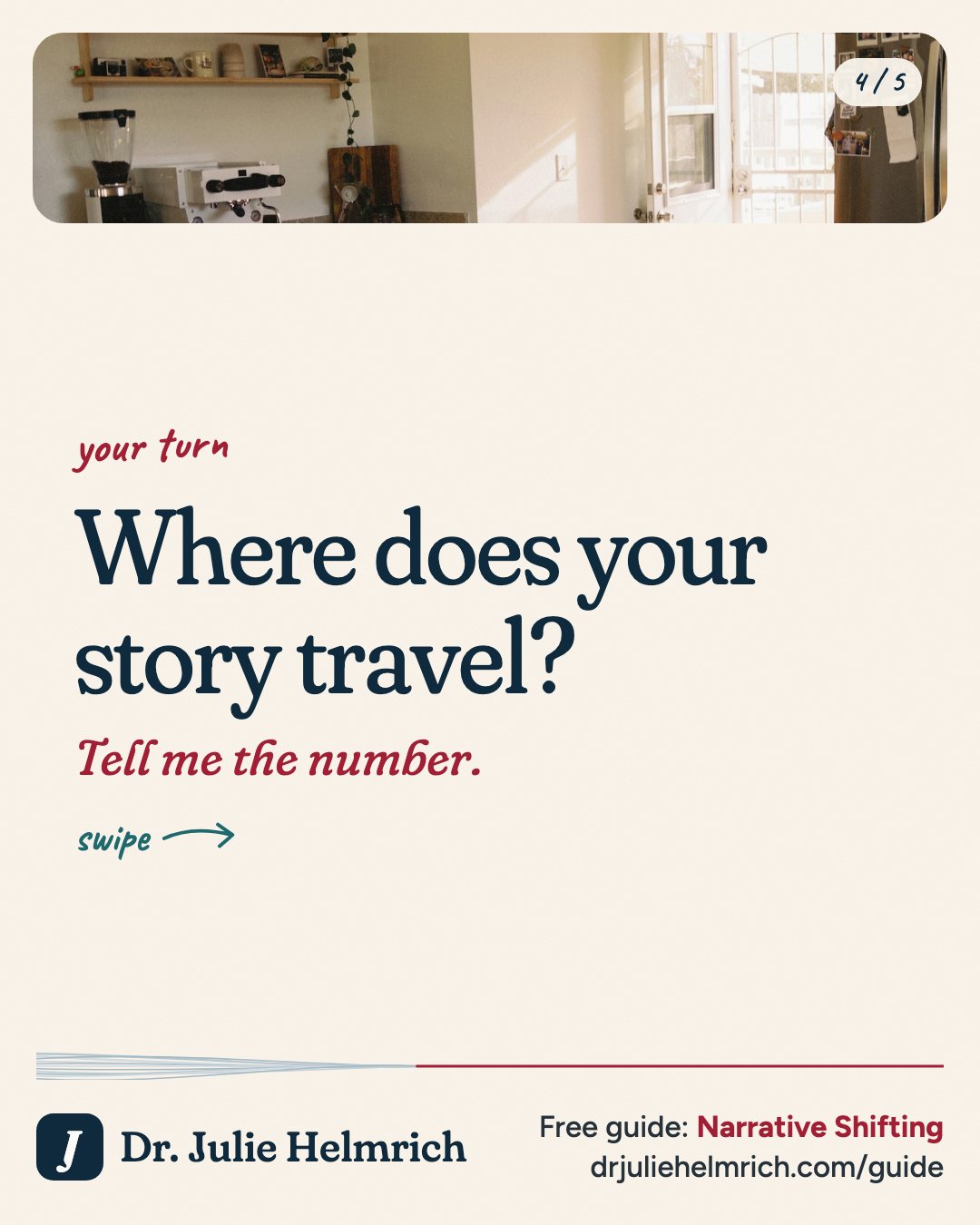
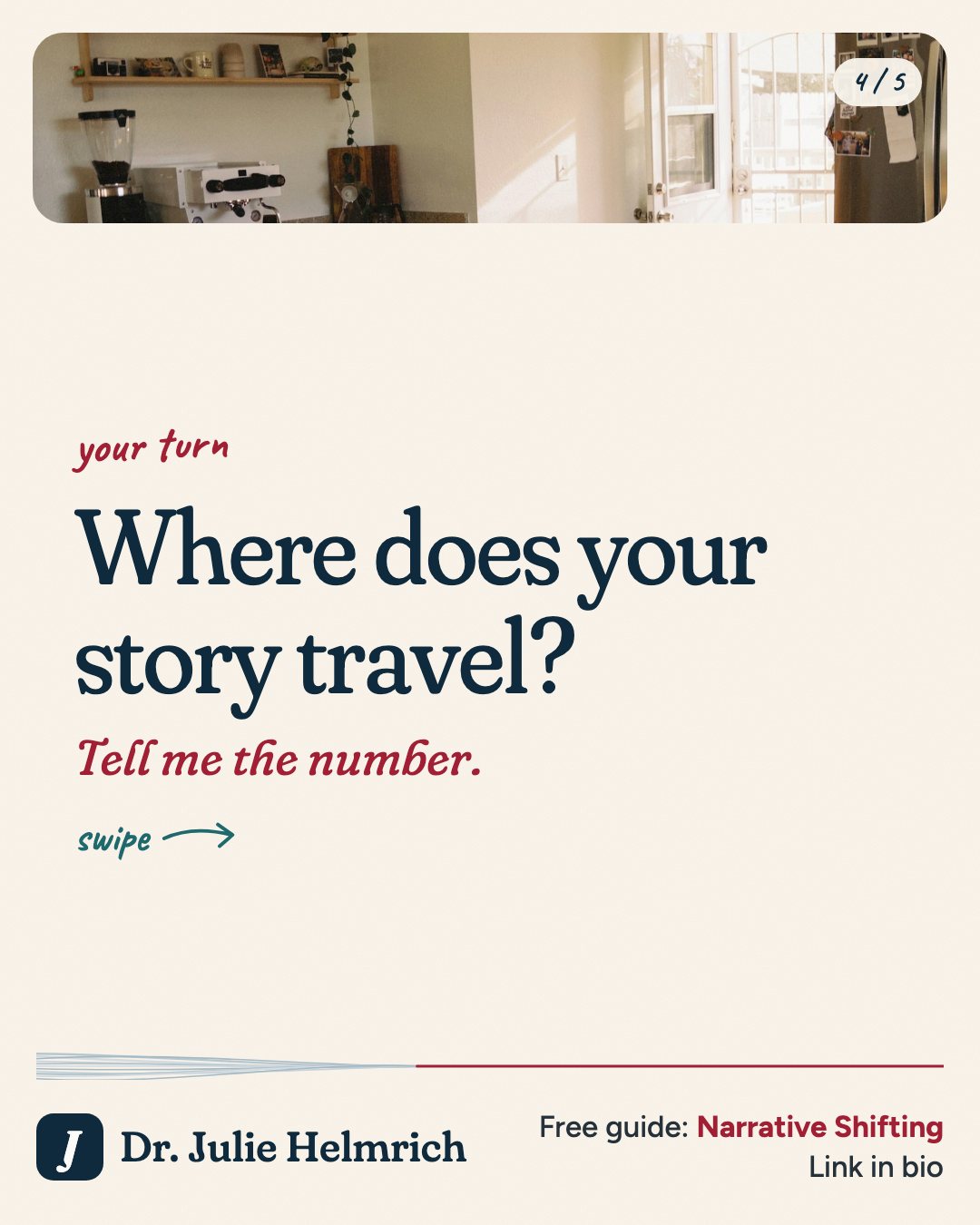
The person who takes care of everything at work usually takes care of everything at home, too. Where does your story travel?
The complicated part is that a story causing trouble may also have helped us succeed. Calling it simply “bad” misses what made it useful—and why we keep returning to it.
The story that helped get you here may not be the story that can get you there.
Which habit or belief built your career, and is now costing you something?
From Chapter 1 of my free guide, Narrative Shifting.
Post P06 · Chapter 1 · Quote card · Teaching post, no guide line
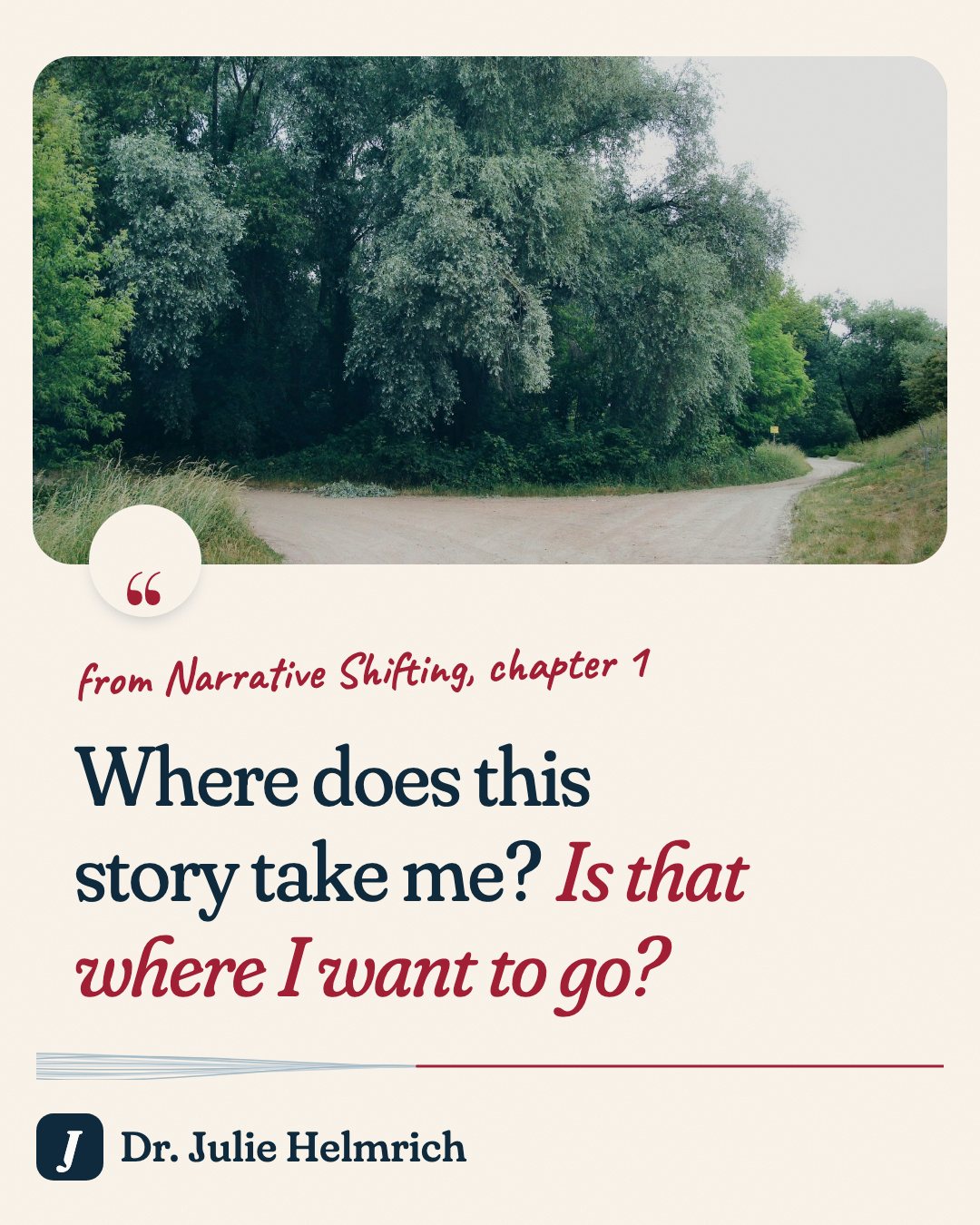
Where does this story take me?
Teaching post, no guide line: the question that replaces good story / bad story.
Dr. Julie HelmrichJust now · Public
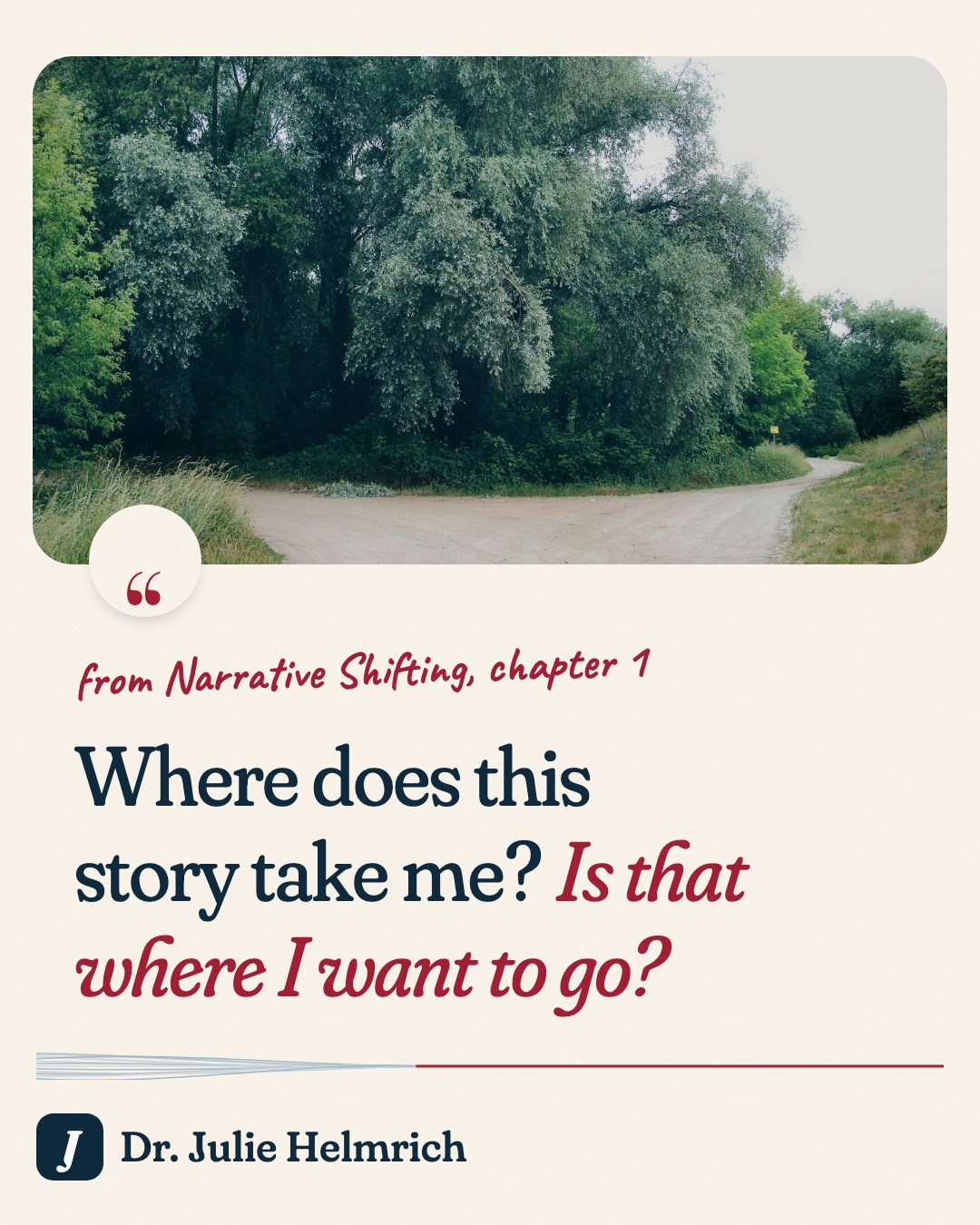
Where does this story take me? Is that where I want to go?
Some of these stories are common. Others are deeply personal.
Narrative Shifting begins with noticing the stories organizing a life. It does not require pretending things are better than they are or replacing a difficult thought with a nicer one.
It asks us to look at what a familiar story helps us do, what it costs us, and where it keeps taking us.
Not good or bad. Just: where does it take you?
LikeCommentShare
Dr. Julie Helmrich
♡○➤□
Where does this story take me? Is that where I want to go?
Not a good story or a bad story. Just that question.
Narrative Shifting begins with noticing the stories organizing a life. It does not require pretending things are better than they are or replacing a difficult thought with a nicer one.
Where does this story take me? Is that where I want to go?
A useful question for a career, too.
LikeCommentRepostSend
Dr. Julie Helmrich
Where does this story take me? Is that where I want to go?
A fresh idea in a familiar image: pulling weeds versus tending the soil.
Dr. Julie HelmrichJust now · Public
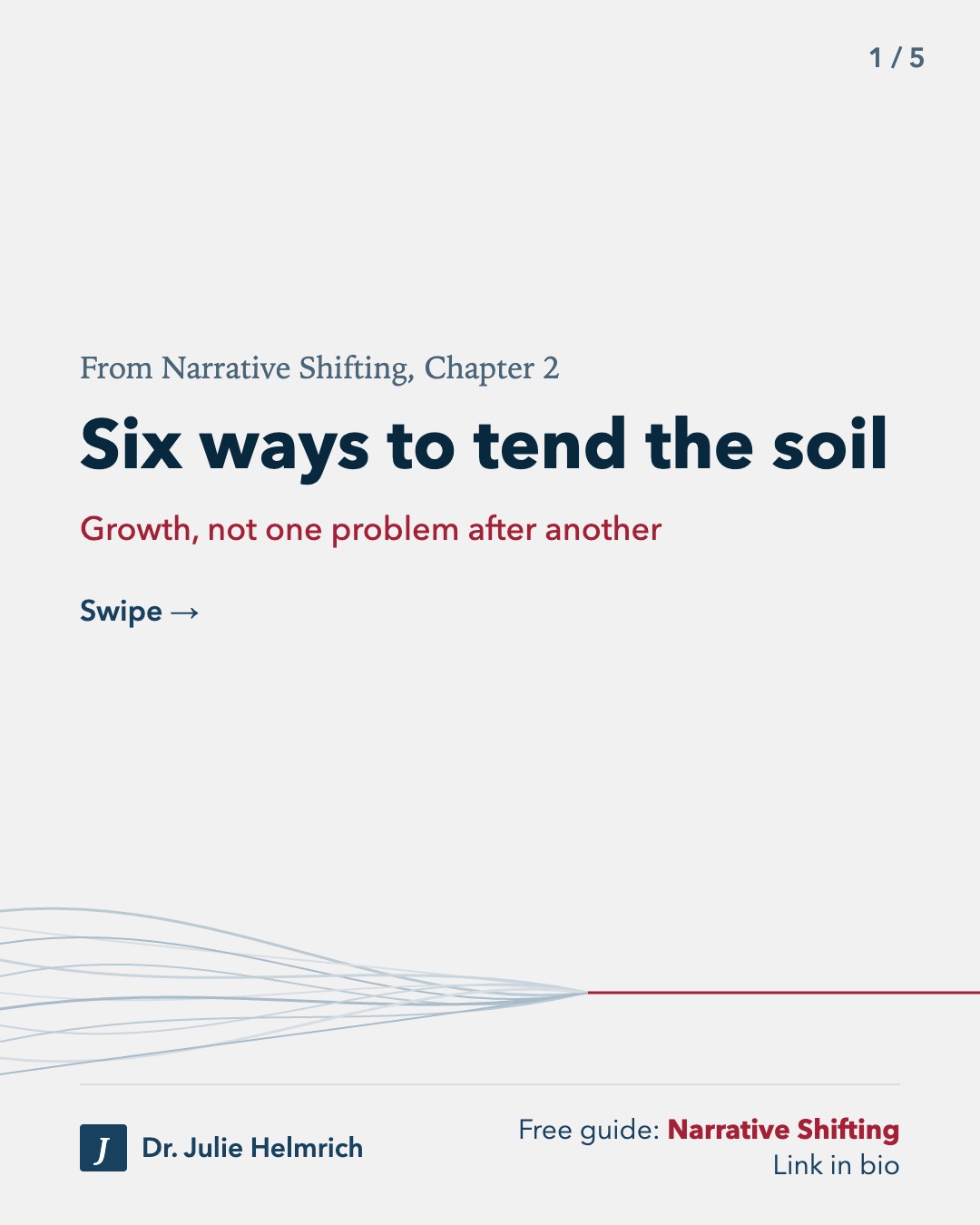
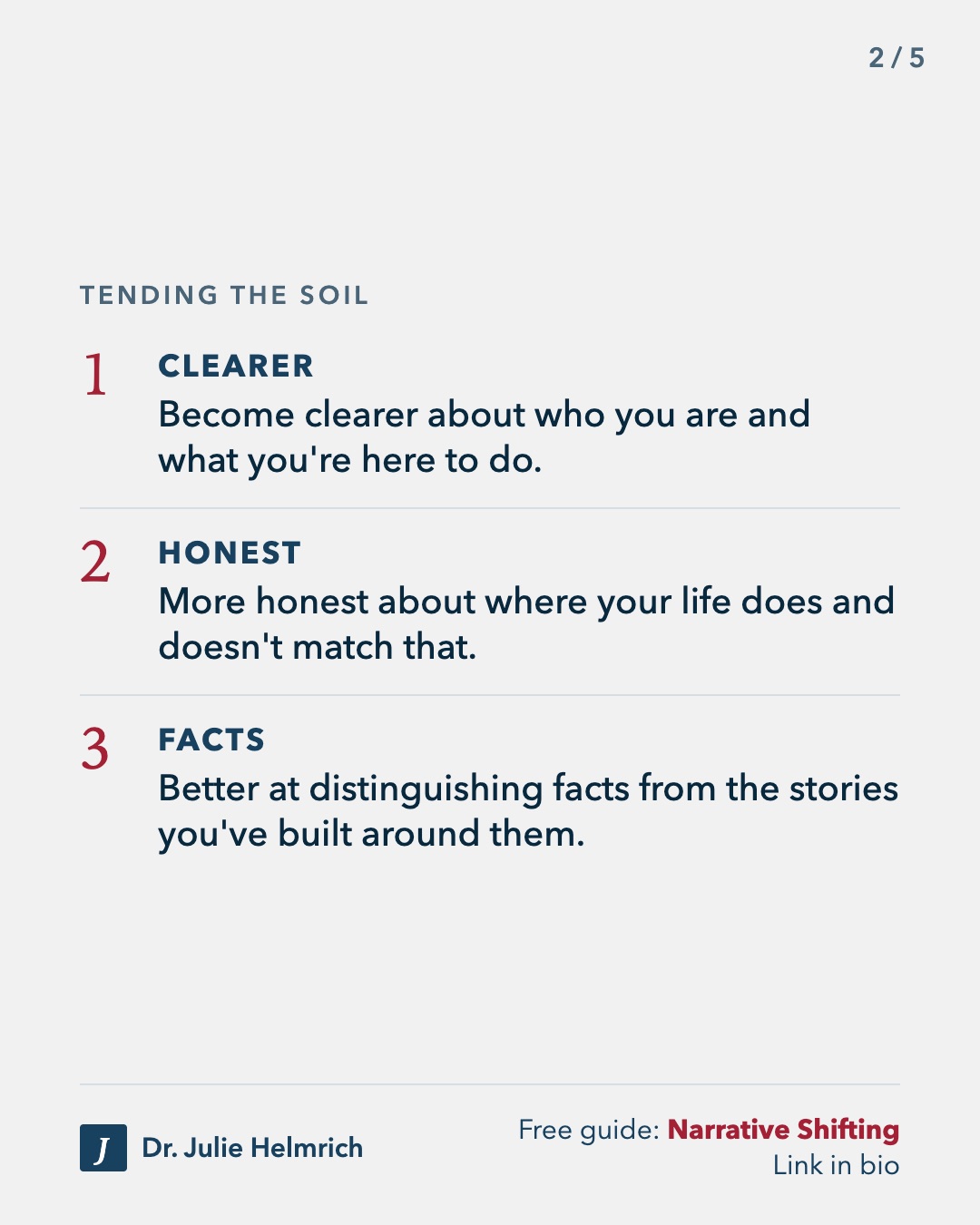
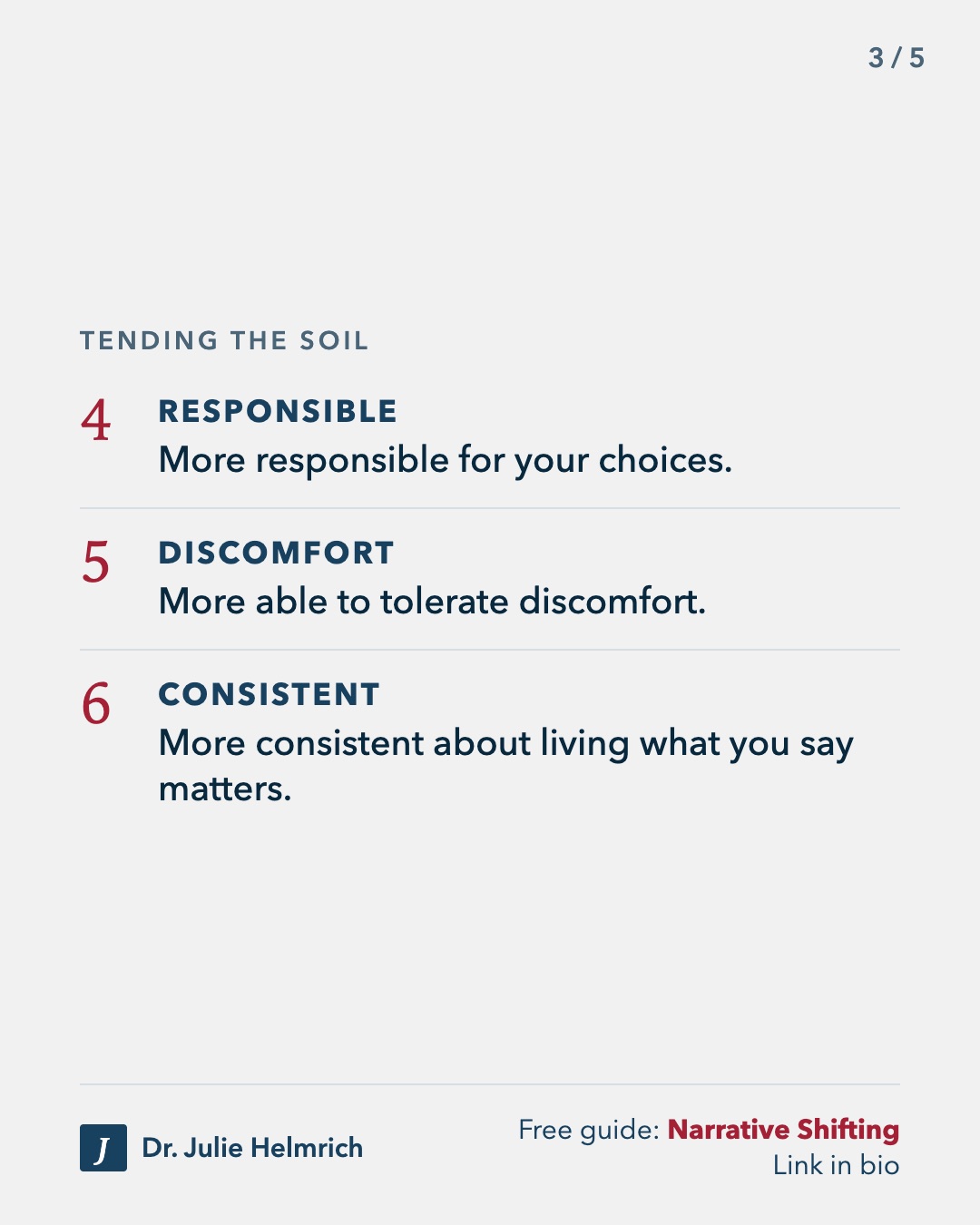
What if you stopped working on problems?
Instead of working on one problem after another, I work with the person on growth.
Think about a garden. You can pull every weed and still not get a very good crop. A weed-free garden isn't necessarily a flourishing garden. For that, you need good soil.
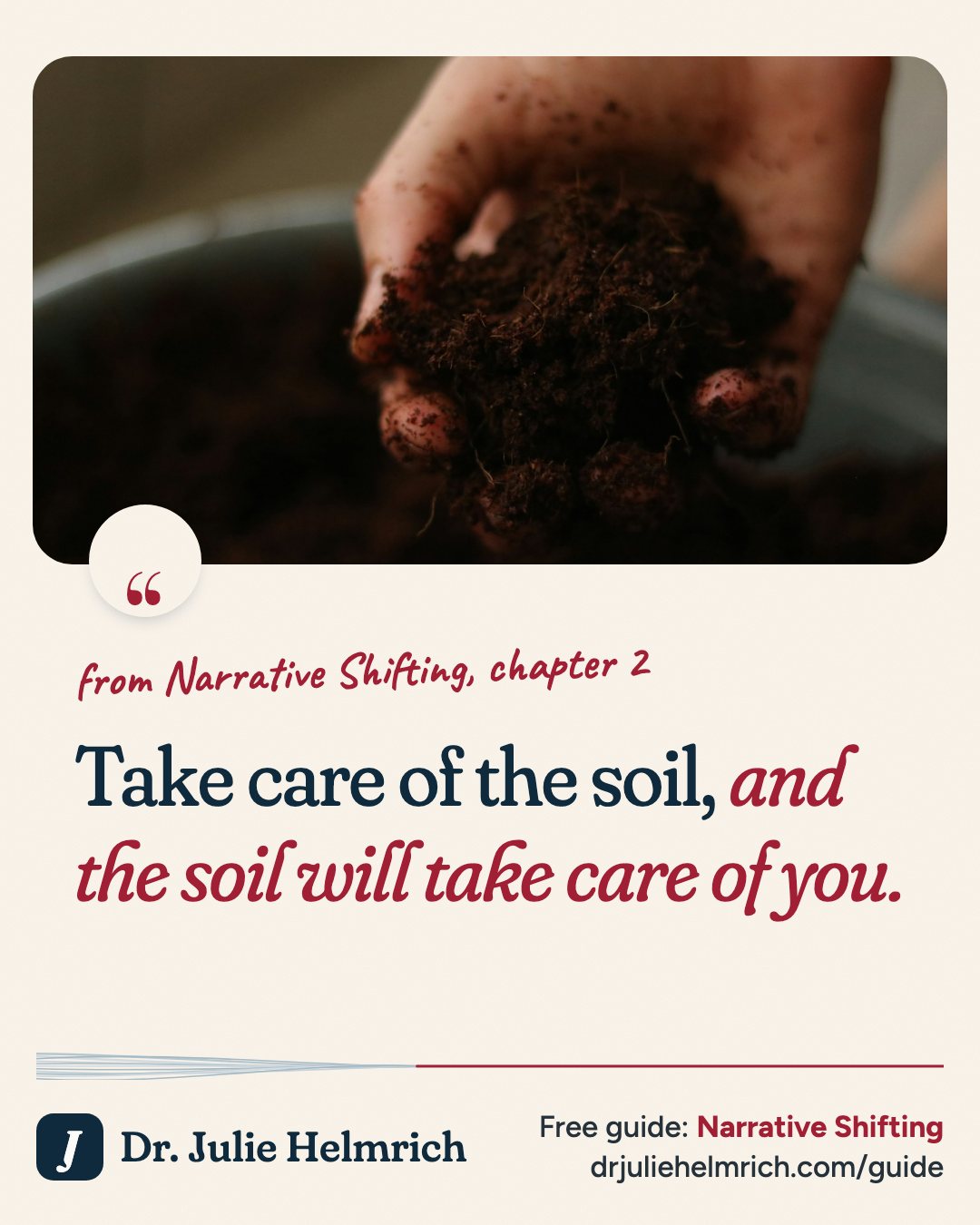
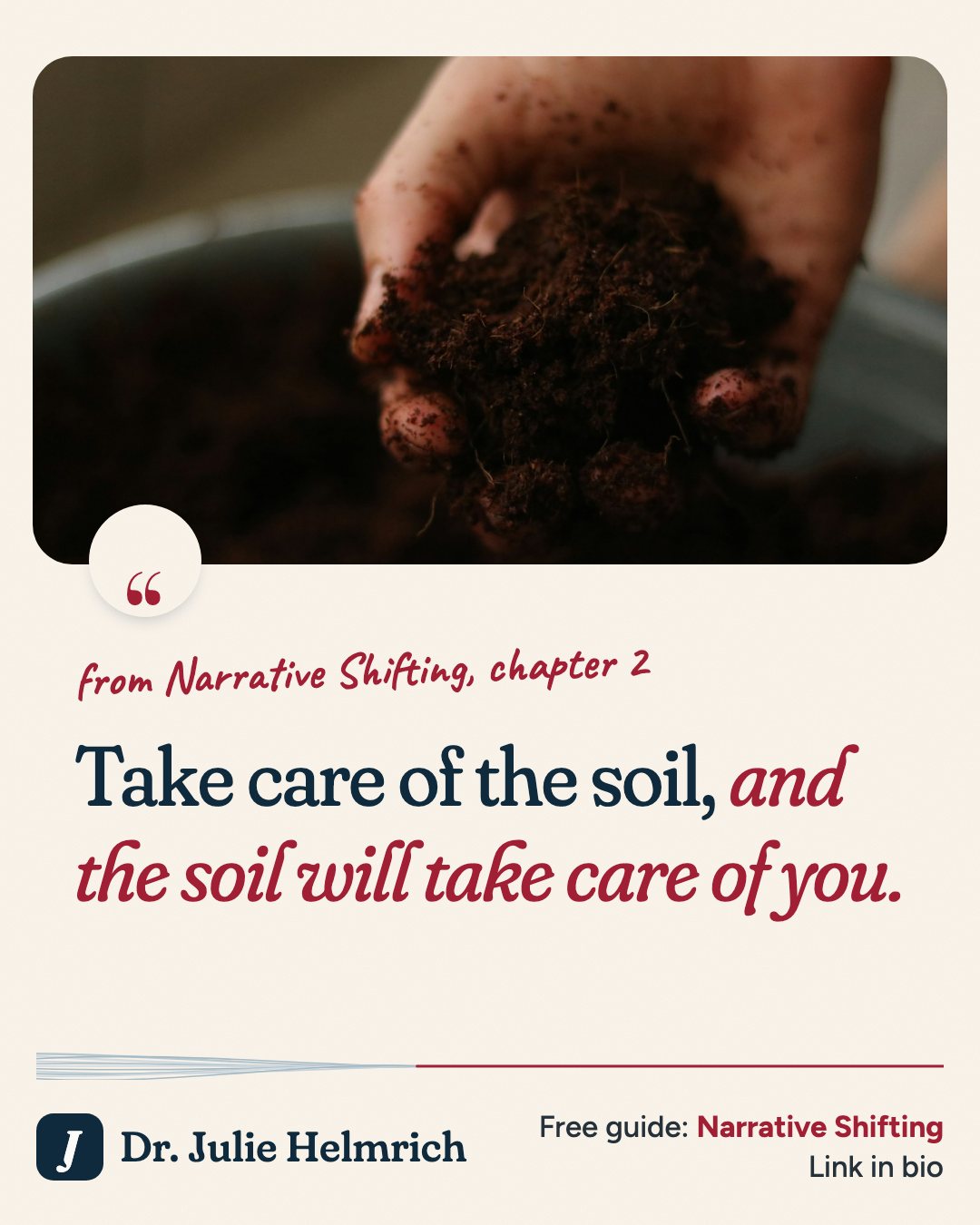
Take care of the soil, and the soil will take care of you.
What weed have you been pulling for years? Tell me in the comments.
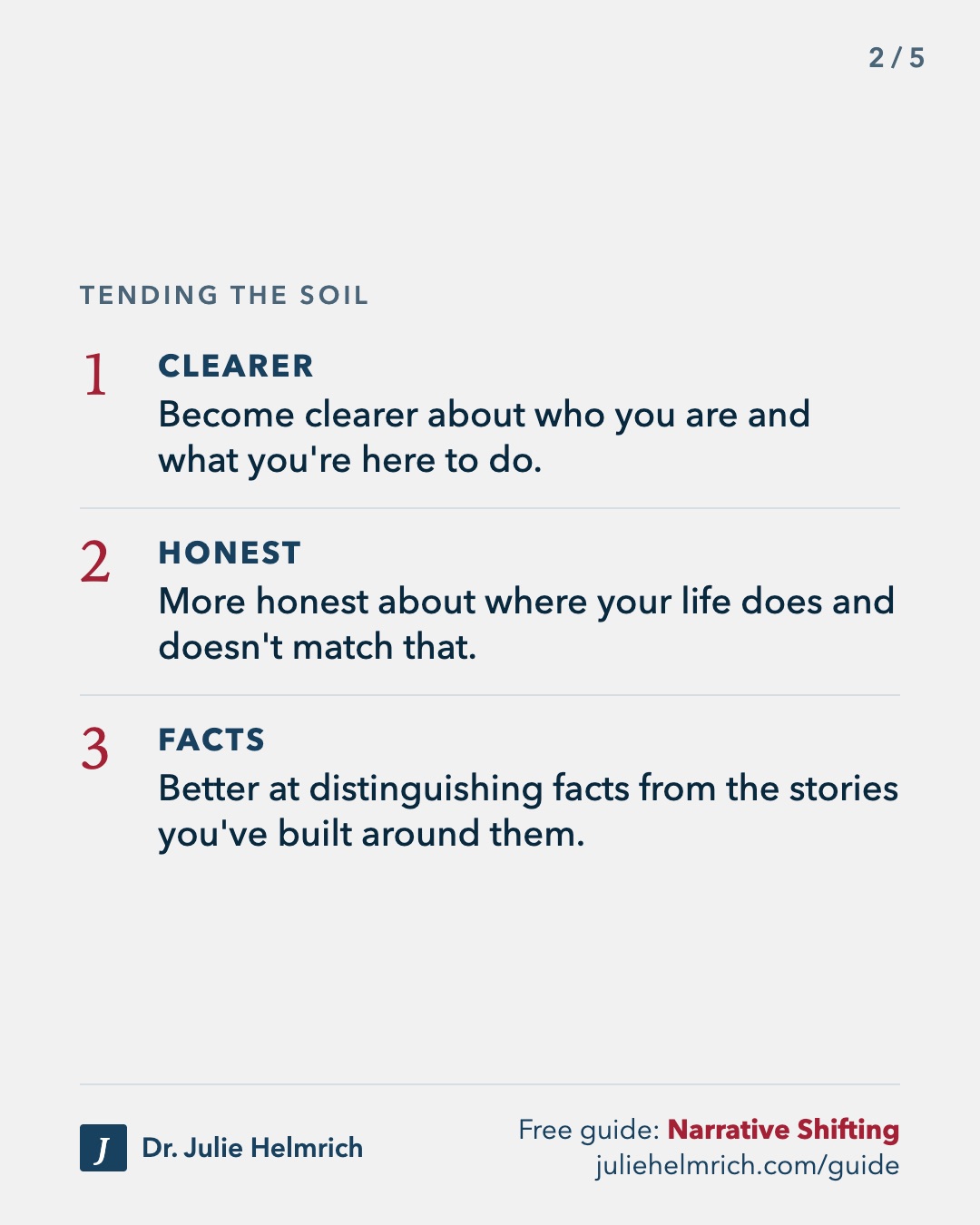
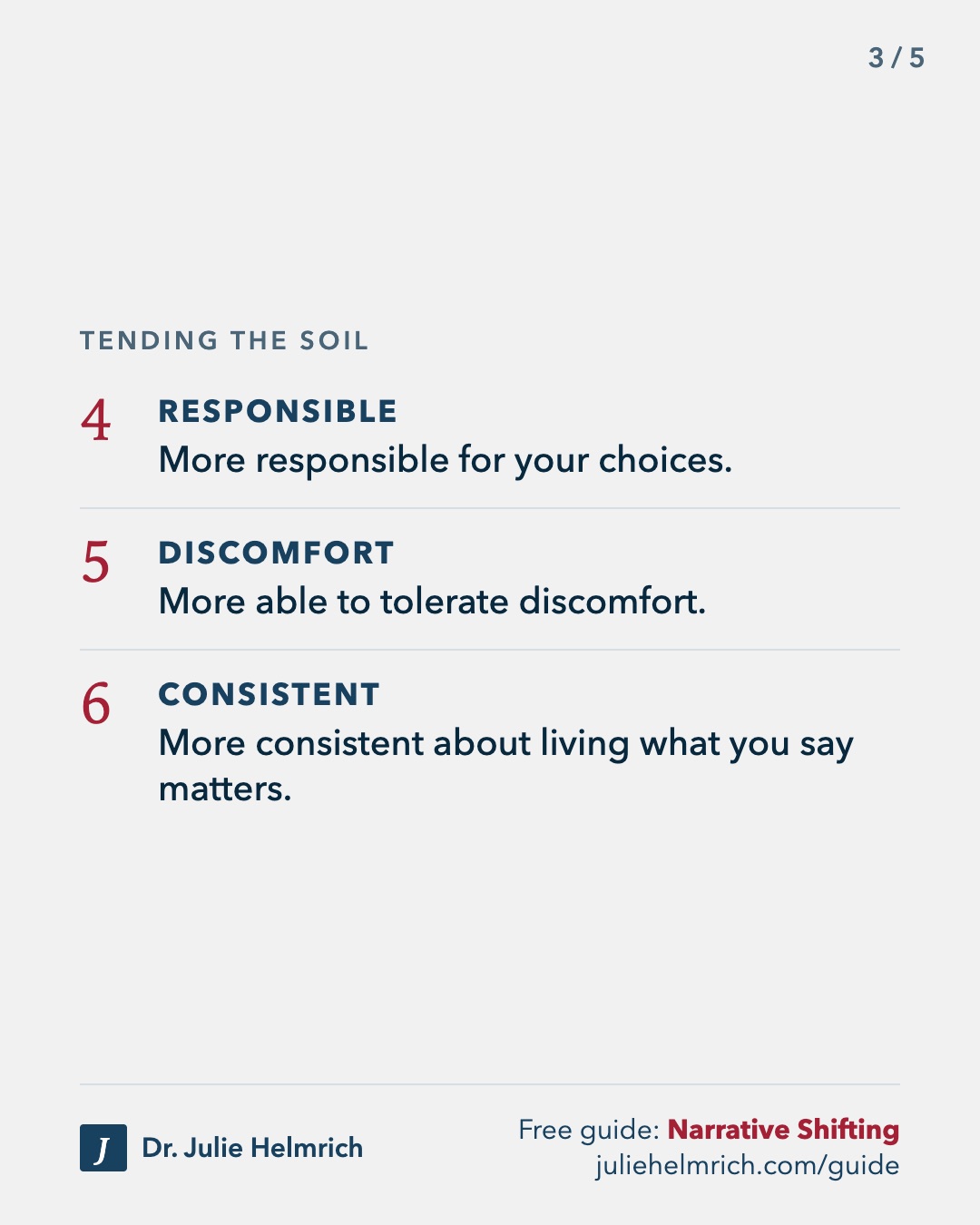
Chapter 2 of my free guide is about tending the soil.
We can spend enormous amounts of energy pulling psychological weeds: reducing stress, stopping procrastination, fixing an argument, breaking a bad habit. Those efforts can be useful. Sometimes they're necessary.
But there is another strategy: Commit to psychological growth, and let that growth change how you meet the problems.
Does your development plan pull weeds, or tend the soil?
From Chapter 2 of my free guide, Narrative Shifting.
Keeps the garden image honest: tending the soil doesn't cancel the practical work.
Dr. Julie HelmrichJust now · Public
Pulling weeds still matters.
You may still need to pull weeds. A specific argument may need to be addressed. A practical problem may call for a practical solution. Tending the soil doesn’t make those tasks disappear.
But removing problems and creating growth aren’t the same thing.
You can pull every weed and still not get a very good crop.
It’s true for people, too.
What's the weed you keep pulling? Tell me in the comments.
You may still need to pull weeds. A specific argument may need to be addressed. A practical problem may call for a practical solution. Tending the soil doesn’t make those tasks disappear.
But removing problems and creating growth aren’t the same thing.
Most development plans are weed lists. What would a soil plan look like?
Also works as a TikTok photo carousel with the same images. Add a calm sound in the app.
You may still need to pull weedsDr. Julie Helmrich · Shorts
Description
You may still need to pull weeds. A specific argument may need to be addressed. A practical problem may call for a practical solution. Tending the soil doesn’t make those tasks disappear.
Chapter 2 of my free guide, Narrative Shifting: From Insight to Integration.
The bigger project in one line: not less of what's wrong, more of what's right.
Dr. Julie HelmrichJust now · Public
Here is the larger project.
But do you want to spend an entire life eliminating what’s wrong and forget the larger project: growing what’s right?
Narrative Shifting: it’s more than reducing what bothers you. It’s developing the person of YOU, the person who will walk into everything that comes next.
Take care of the soil, and the soil will take care of you.
What's one thing you'd grow, if you stopped only fixing? Tell me in the comments.
Chapter 3's title as a cover: the line most readers will have already lived.
Dr. Julie HelmrichJust now · Public
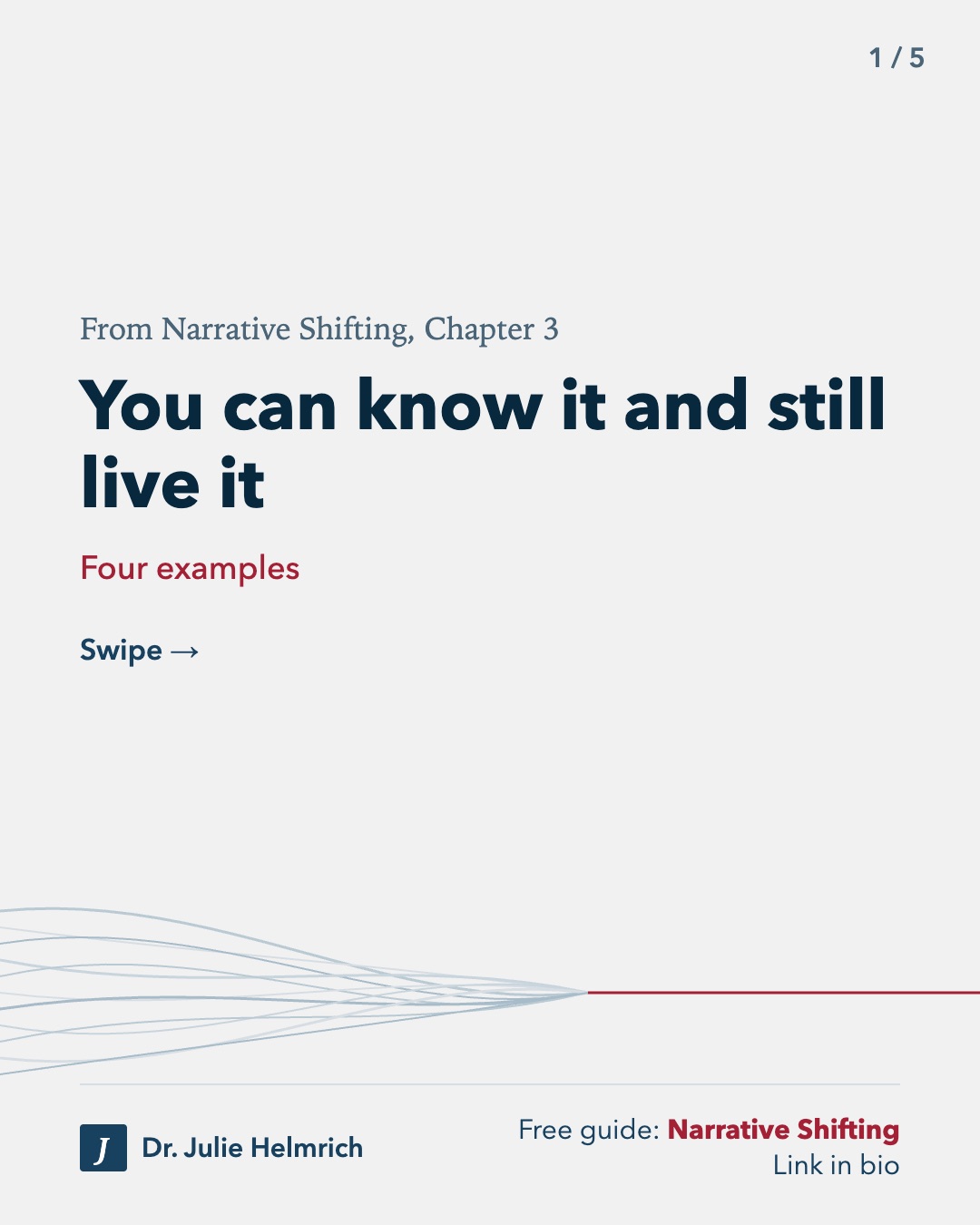
You can intellectually reject a story and still organize your life around it.
Our deepest narratives do not necessarily live in the sentences we consciously endorse. They show up in the way we live: what gets our attention, what we expect, what makes us disproportionately emotional, what we repeatedly avoid, and what we keep doing after we’ve decided to stop.
Understanding matters. But understanding alone is not the change.
That is integration. And that is the work.
What do you understand perfectly well and still keep doing? You don't have to say what. Just tell me if this one is you.
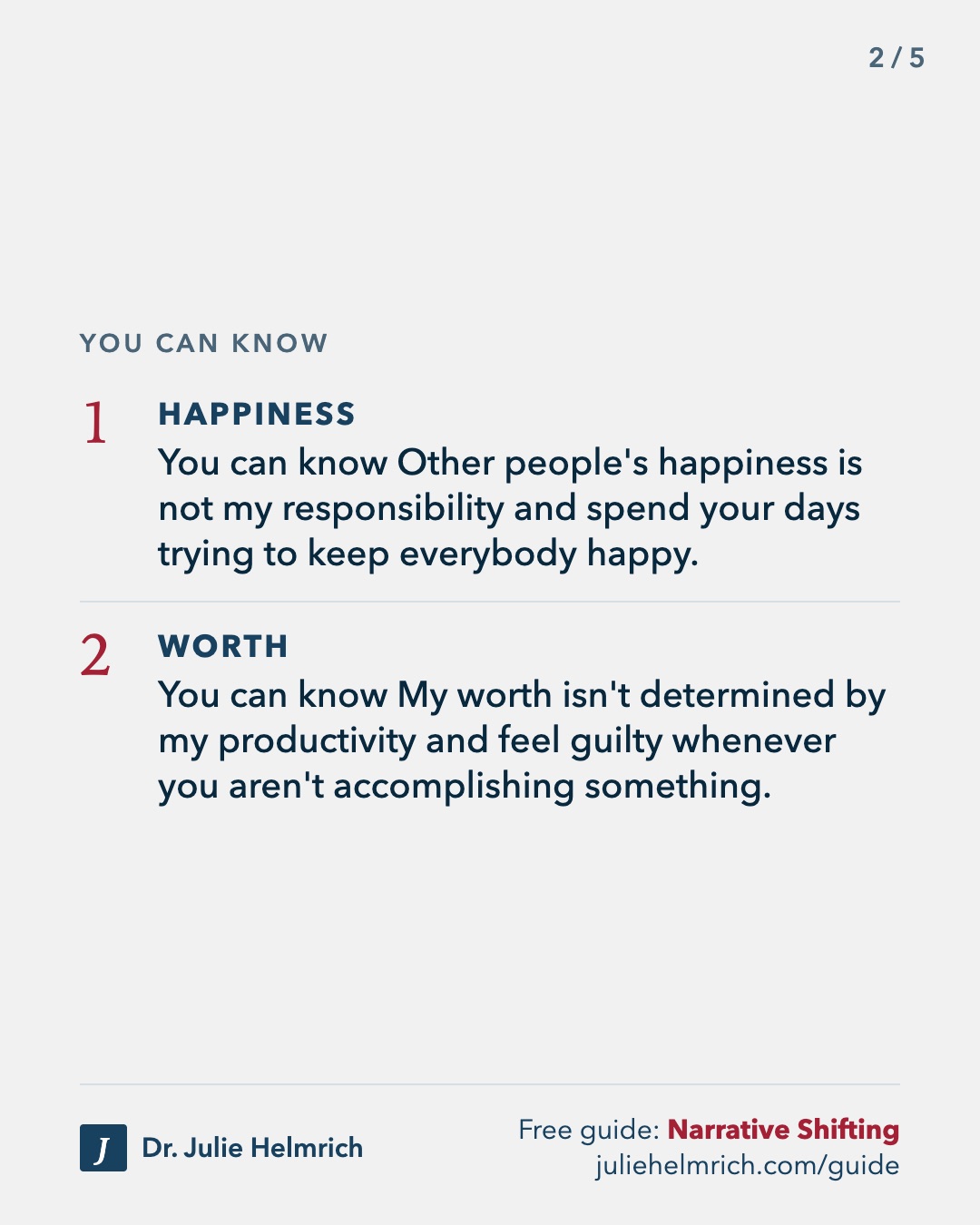
Many high-functioning adults already know a lot. They’ve read books, listened to podcasts, perhaps done therapy. They can explain themselves pretty darn well. More knowing may not be what they need.
Understanding matters. But understanding alone is not the change.
How much of your development budget buys more knowing?
A story people see themselves in, with a no-risk reply: type three words, no confession needed.
Dr. Julie HelmrichJust now · Public
“I know that.”
About ten years ago, I worked with a 36-year-old man who was extraordinarily bright.
I would point out a pattern in what he was doing, and he would say, “I know that.”
And he did know.
Then he would go home and ruminate some more.
Knowing better and living differently are two different things.
Have you ever known exactly what you needed to change, and still not changed it? You don't have to tell me what it is. Just type “I know that” if this one landed.
Chapter 3 of my free guide is about the gap between insight and integration.
This is a trap bright people often fall into. They are accustomed to their minds being useful. Give them a problem and they will think about it, research it, analyze it, and understand it. Often, that works.
Psychological growth sometimes asks something more.
Insight and integration are not the same thing.
Where have you seen a capable person, maybe yourself, understand a pattern perfectly and keep repeating it?
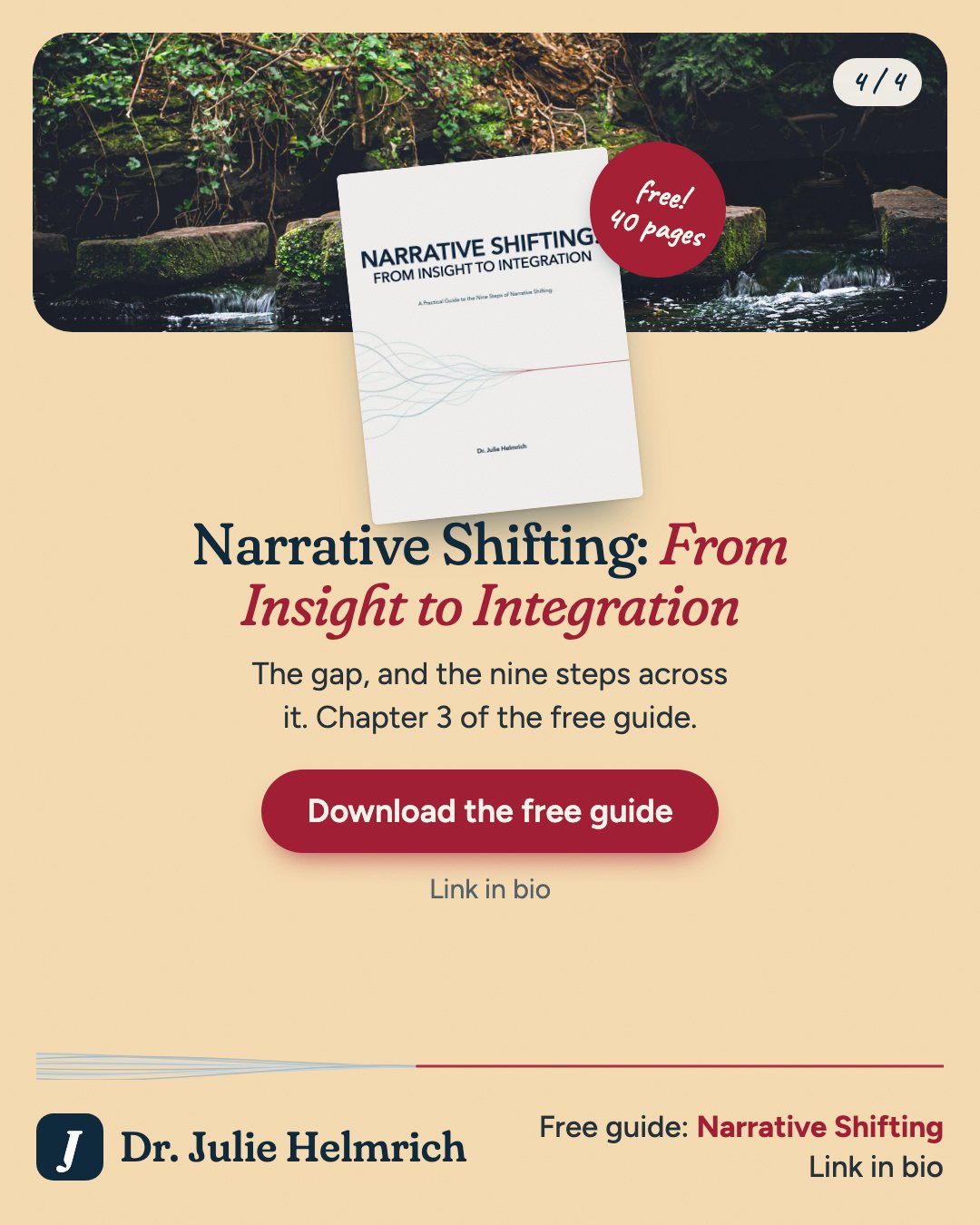
My free guide walks through the nine steps from insight to integration.
The guide's core distinction as two sentences people can hold side by side.
Dr. Julie HelmrichJust now · Public
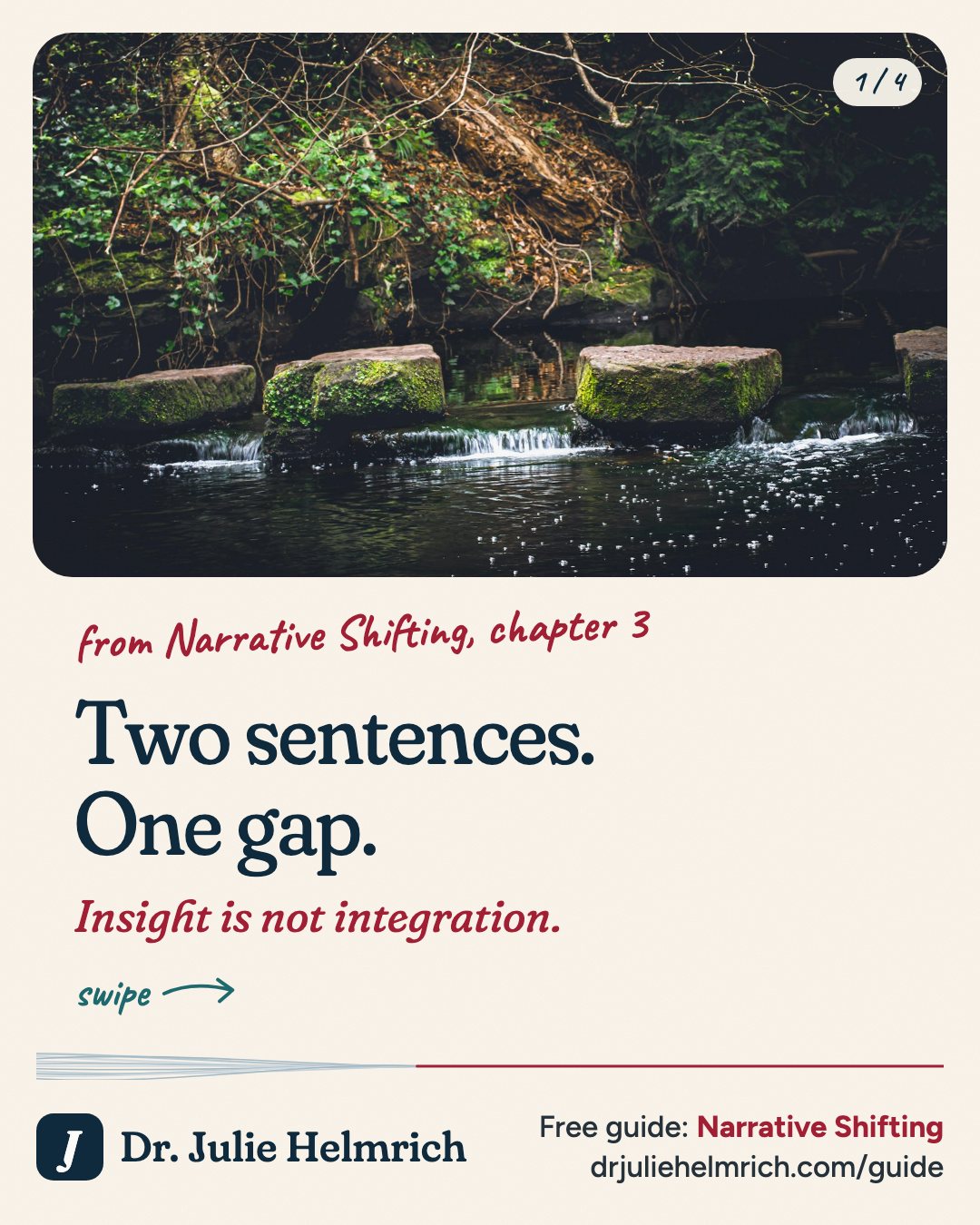
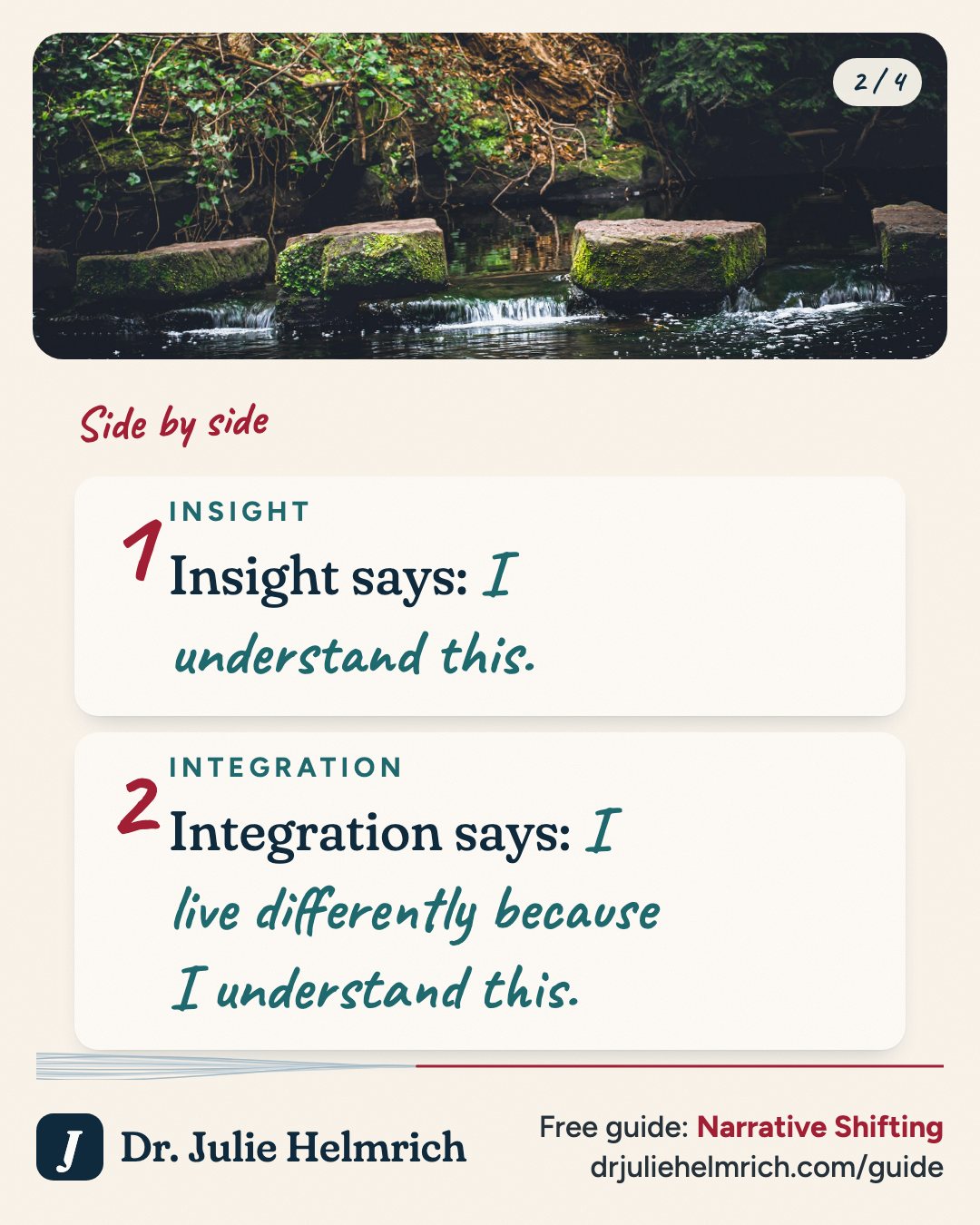
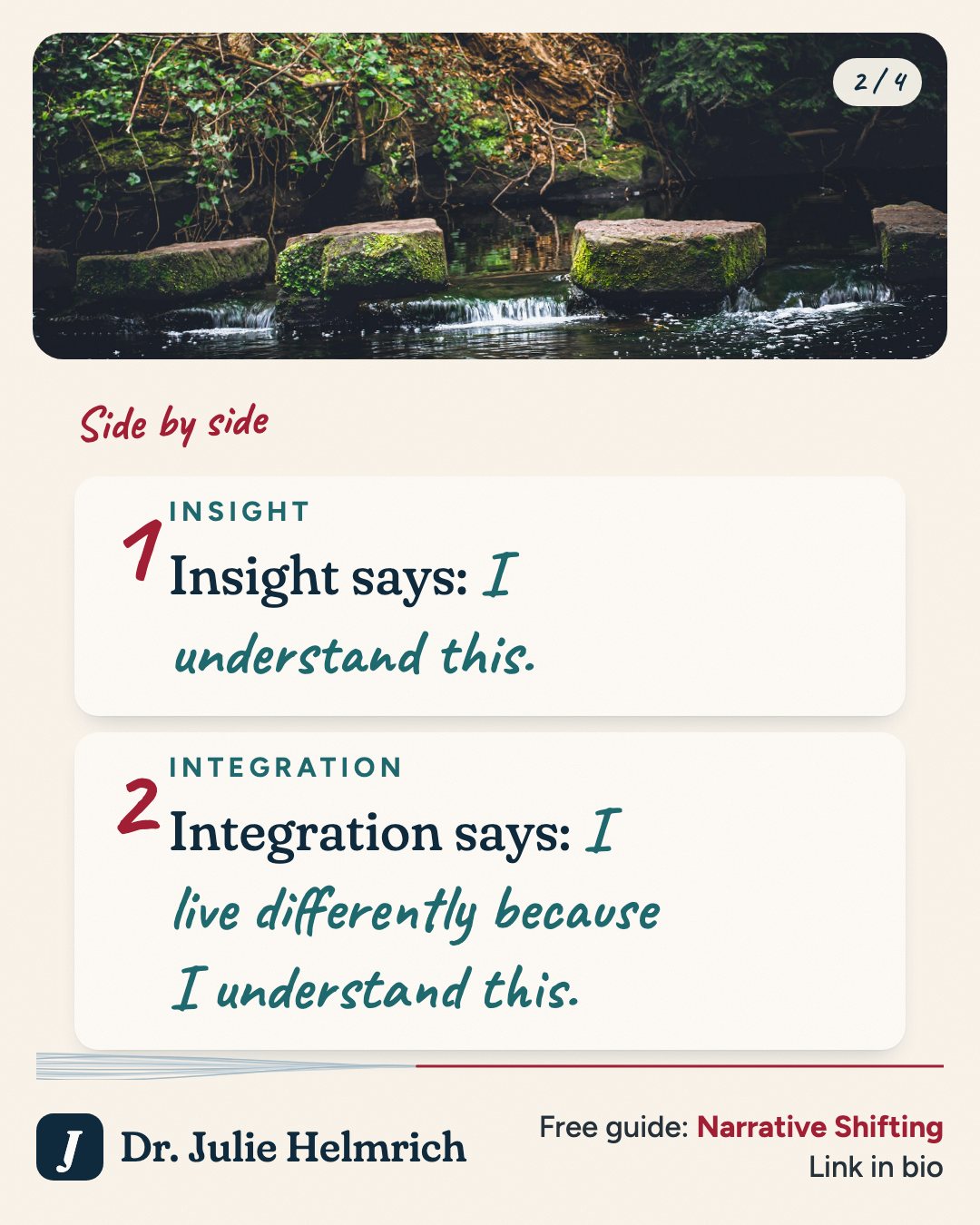
Two sentences. One gap.
Insight says: I understand this.
Integration says: I live differently because I understand this.
He had insight. Lots of it. What he did not yet have was integration.
A narrative shifts when a different story begins to organize what you notice, what you choose, what you tolerate, what you stop tolerating, and what you actually do.
Where are you standing in that gap right now? Tell me in the comments.
Integration says: I live differently because I understand this.
A narrative shifts when a different story begins to organize what you notice, what you choose, what you tolerate, what you stop tolerating, and what you actually do.
Most feedback produces the first sentence. What produces the second?
Many high-functioning adults already know a lot. They've read books, listened to podcasts, perhaps done therapy. They can explain themselves pretty darn well. More knowing may not be what they need.
At some point, the question has to change from What do I know? to What am I actually living?
What's one thing you know about how you work, and still don't do?
From Chapter 3 of my free guide, Narrative Shifting.
Flatters and names the trap in one move: a useful mind can think its way around the work.
Dr. Julie HelmrichJust now · Public
A trap for bright people.
This is a trap bright people often fall into.
They are accustomed to their minds being useful. Give them a problem and they will think about it, research it, analyze it, and understand it. Often, that works.
Psychological growth sometimes asks something more.
He could analyze the marriage six ways from Sunday.
Where has thinking it through been enough, and where hasn't it? Tell me in the comments.
Chapter 3 of my free guide is about that something more.
They are accustomed to their minds being useful. Give them a problem and they will think about it, research it, analyze it, and understand it. Often, that works.
Psychological growth sometimes asks something more.
The people who are best at analysis can be the slowest to change. Have you seen it?
Names something people feel but rarely say: the story looks like evidence.
Dr. Julie HelmrichJust now · Public
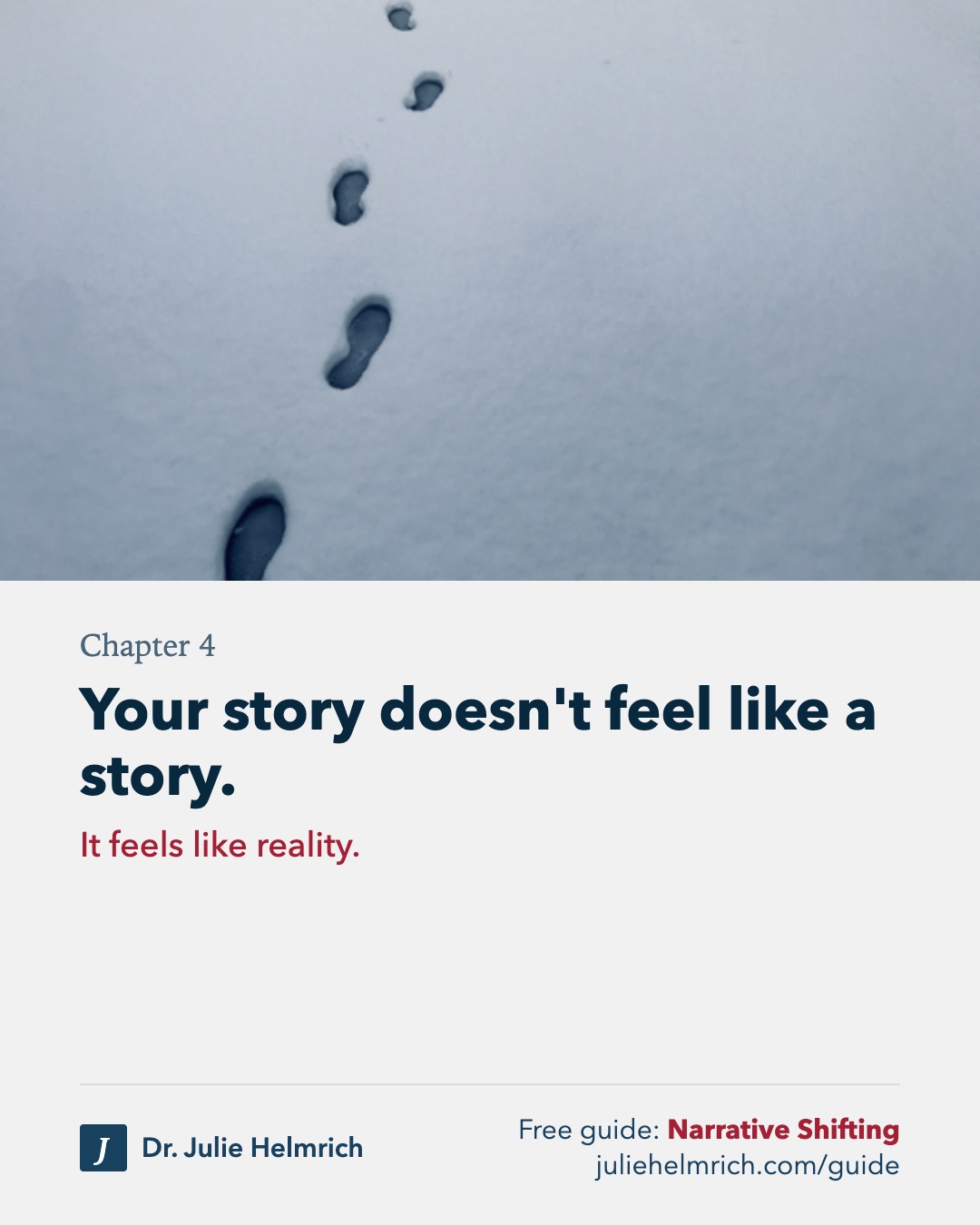
Your story usually doesn't feel like a story.
It feels like reality.
Or suppose I developed the story: People eventually disappoint you.
I notice the friend who didn't call. The spouse who forgot. The person who promised something and didn't follow through. Each becomes another piece of evidence: See? I knew it.
What's a story you've collected a lot of evidence for? Tell me in the comments.
Once a story is organizing your life, it helps determine what gets your attention, what you expect, what you interpret as important, what you remember, and what you do next.
What you do next may even help produce more evidence for the story.
Where have you seen a team's story about itself become its own evidence?
From Chapter 4 of my free guide, Narrative Shifting.
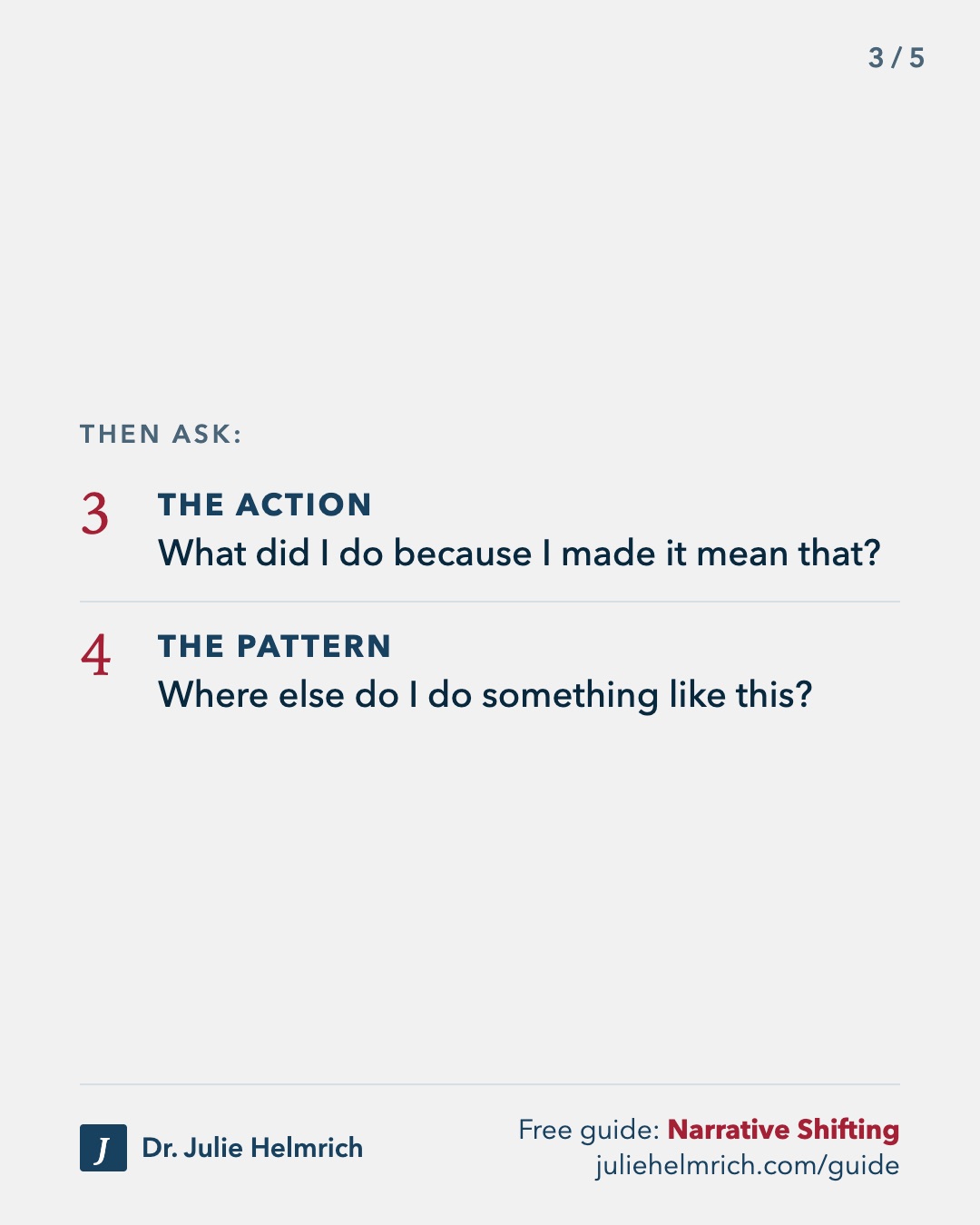
A small experiment people can do today and report back on.
Dr. Julie HelmrichJust now · Public
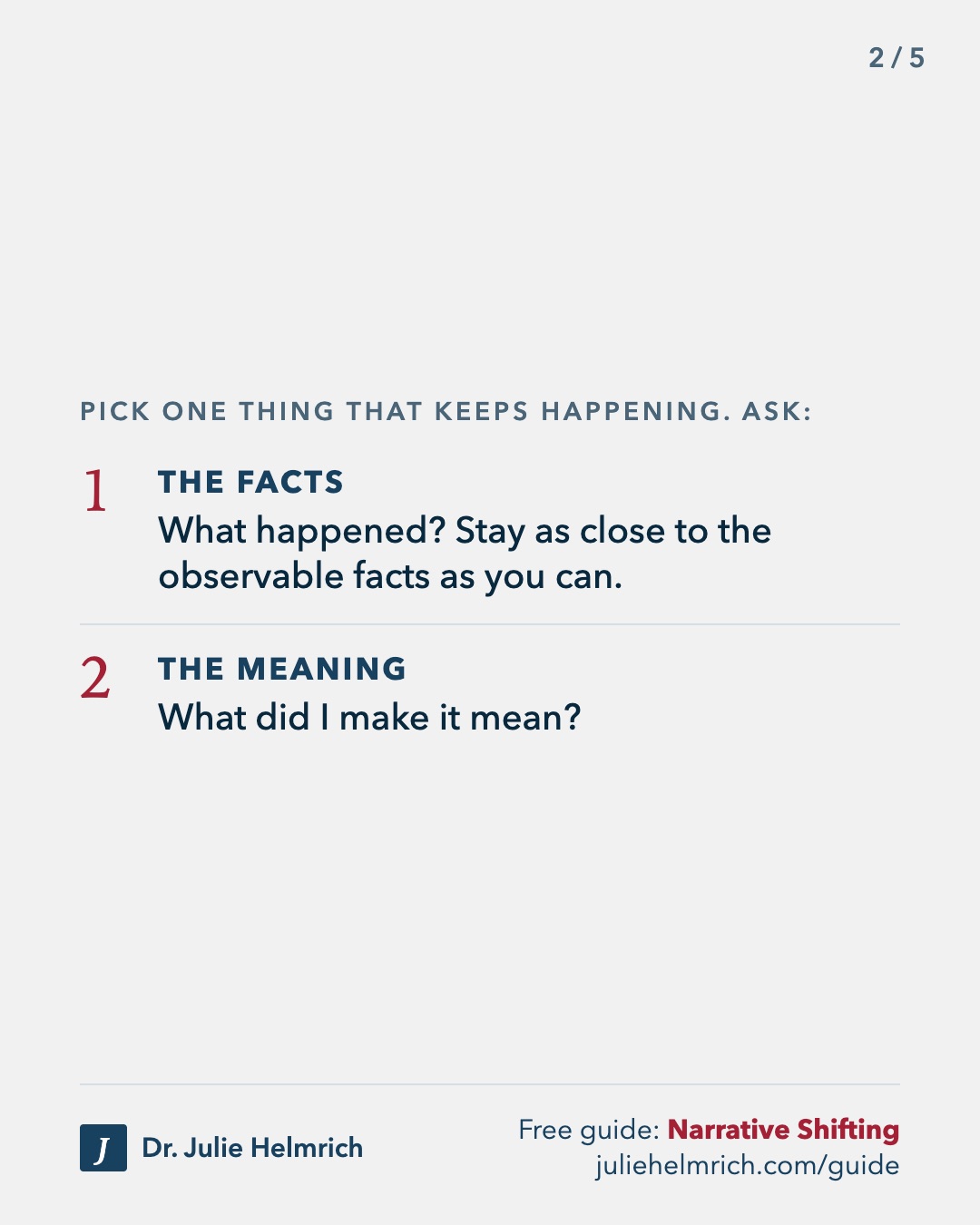
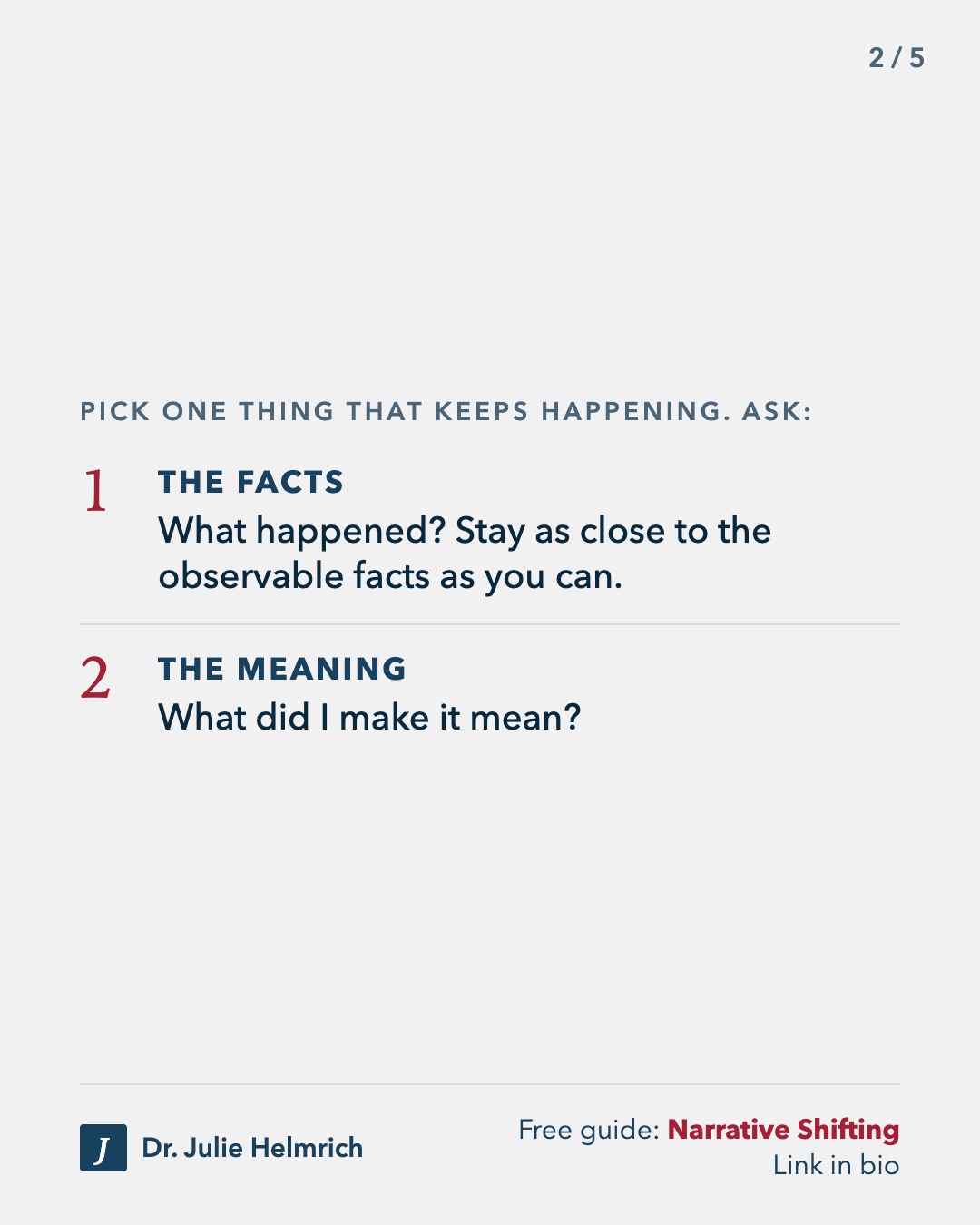
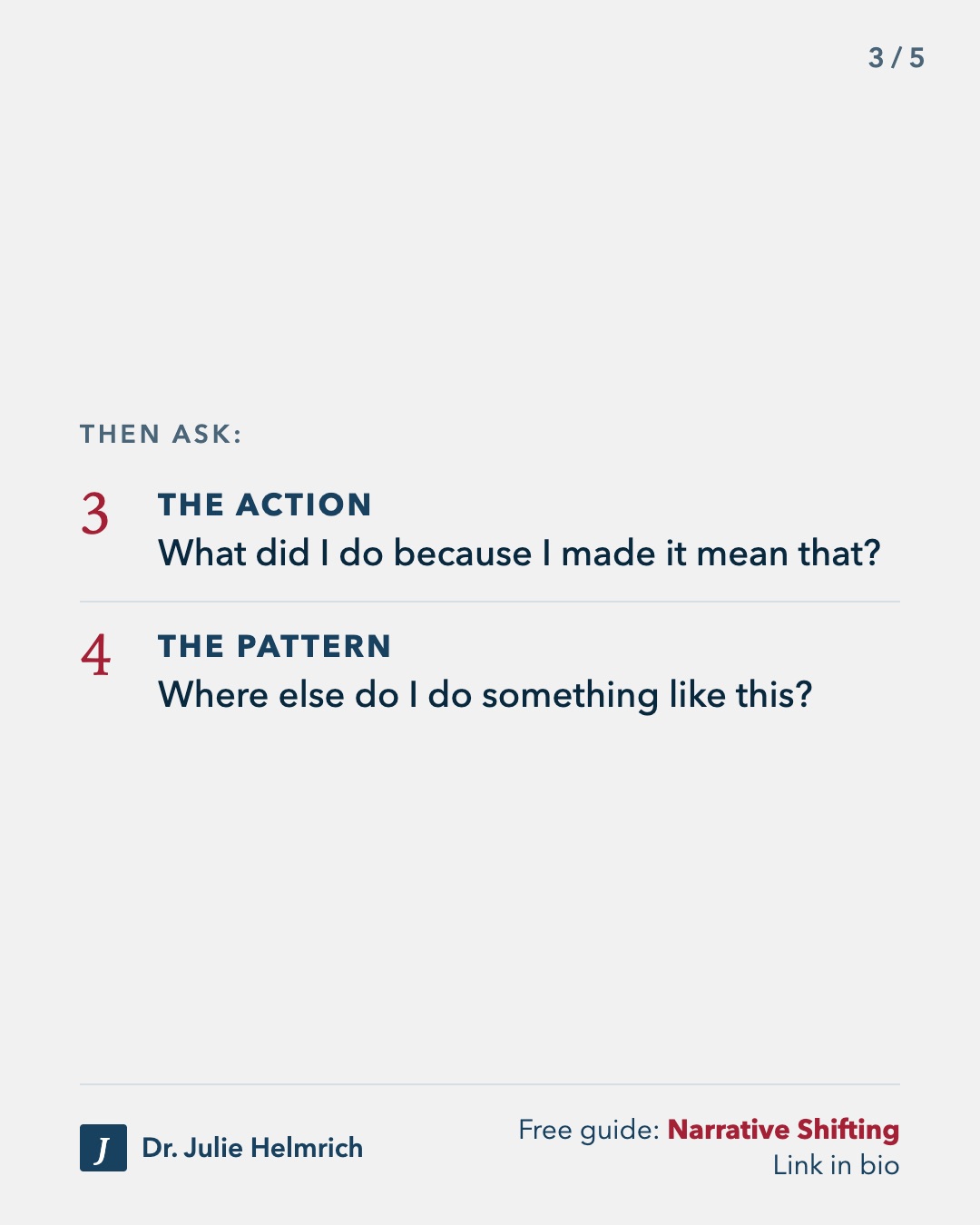
A small experiment for this week.
First, think of one recurring situation that bothers you. It does not need to be your biggest trauma or your most complicated problem. Choose something that keeps happening.
Swipe for the four questions.
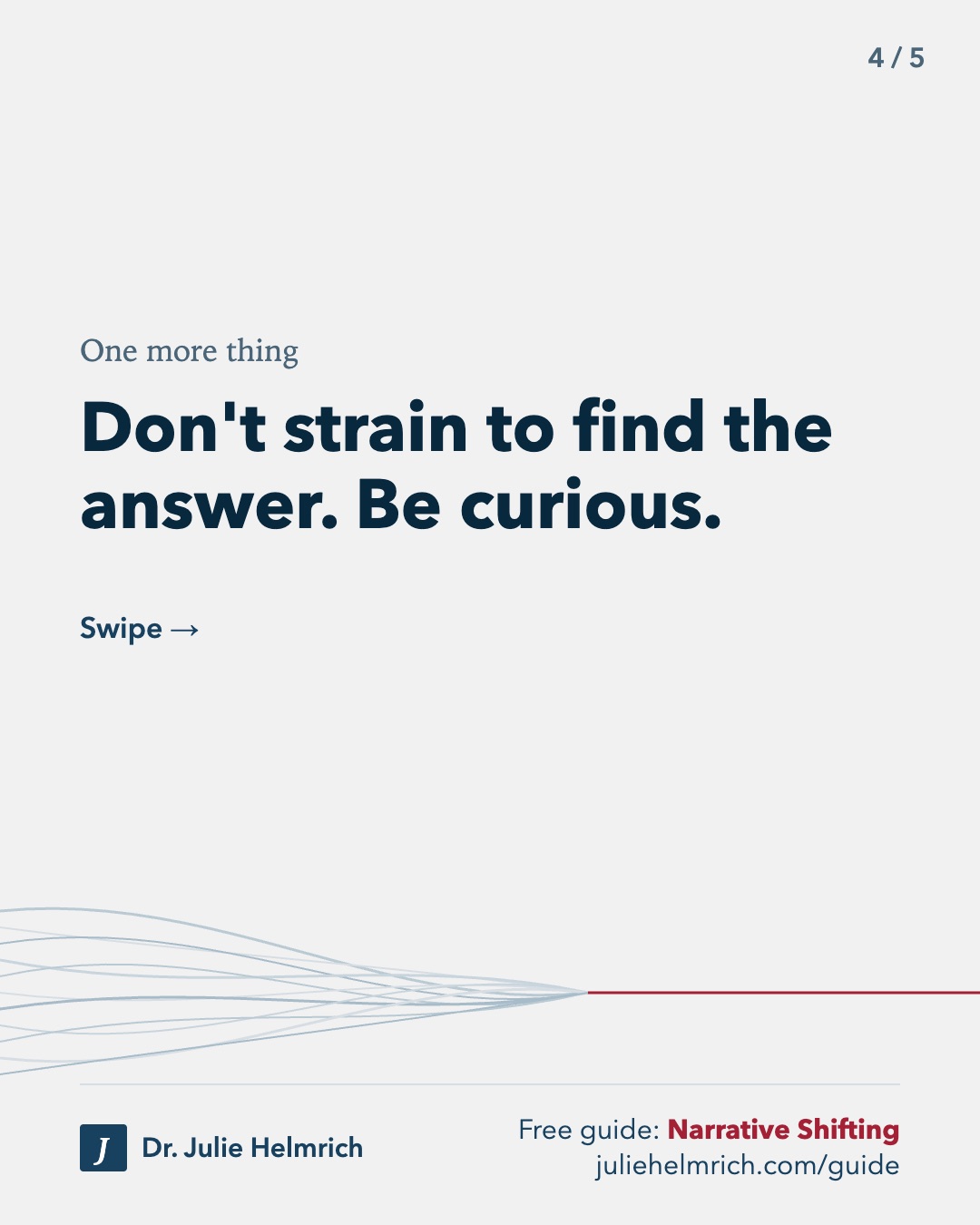
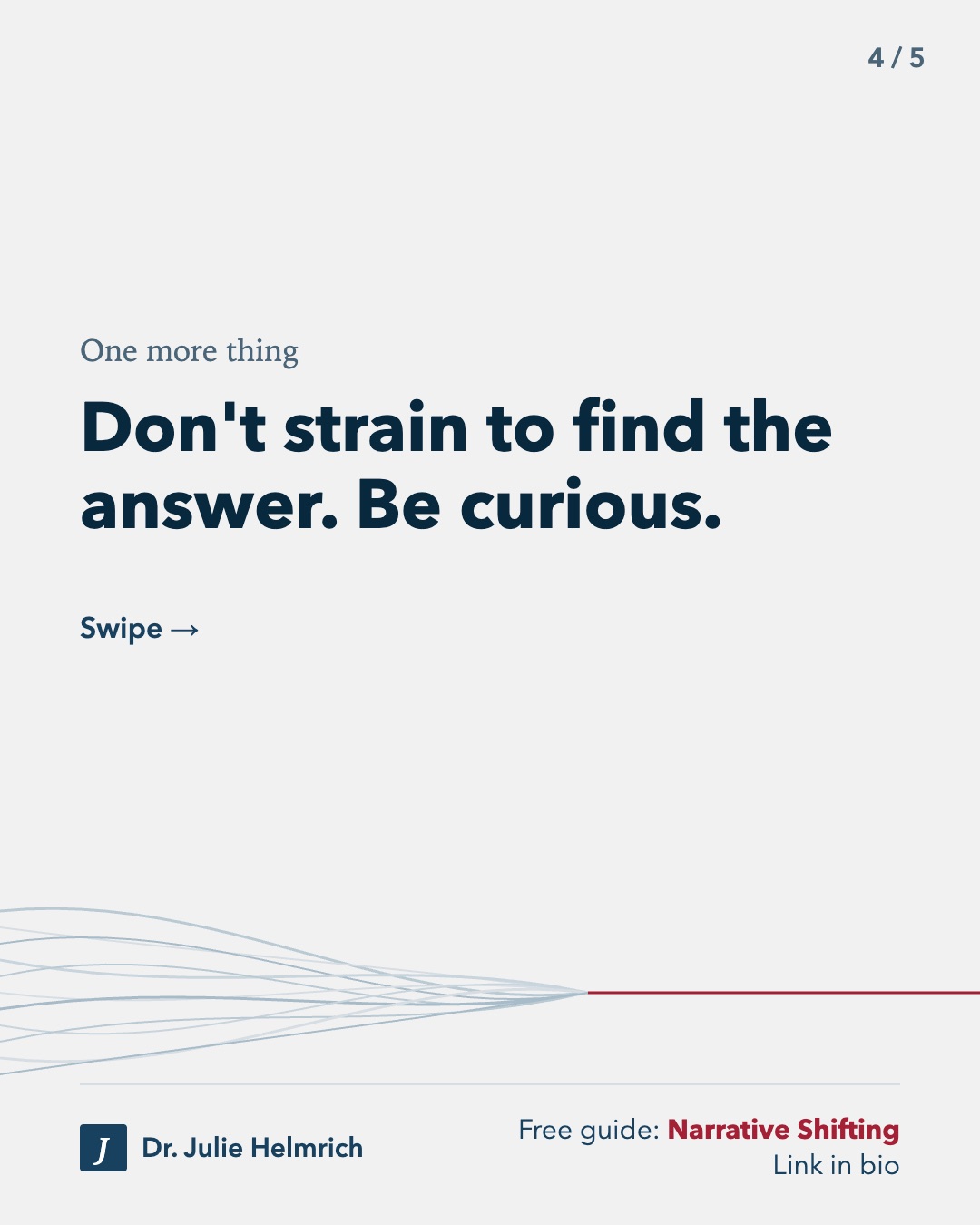
Don't strain to find the answer. Be curious.
Try it, and tell me in the comments what you noticed. Even one word.
Saveable and usable tonight: Julie's own journal prompts, word for word.
Dr. Julie HelmrichJust now · Public
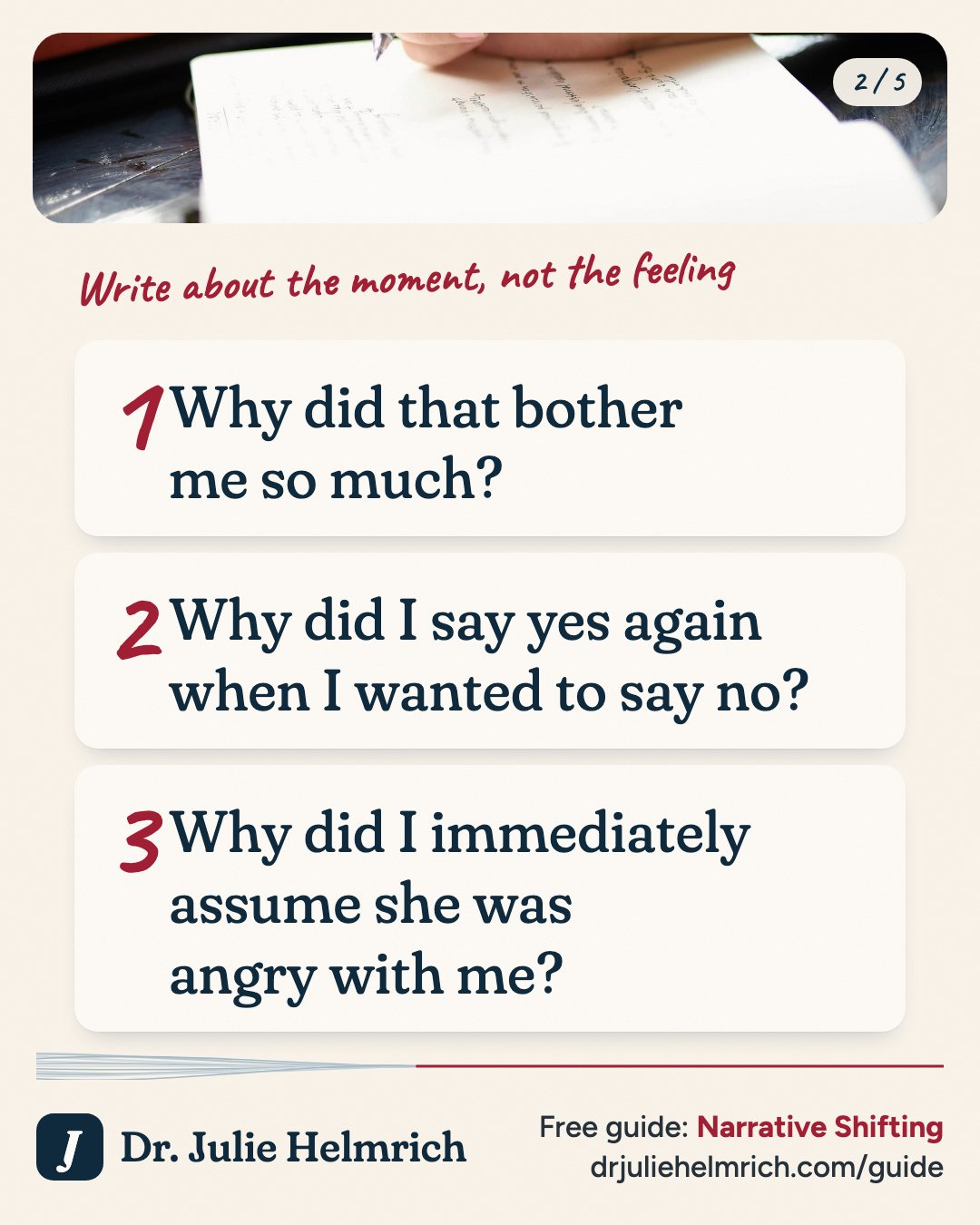
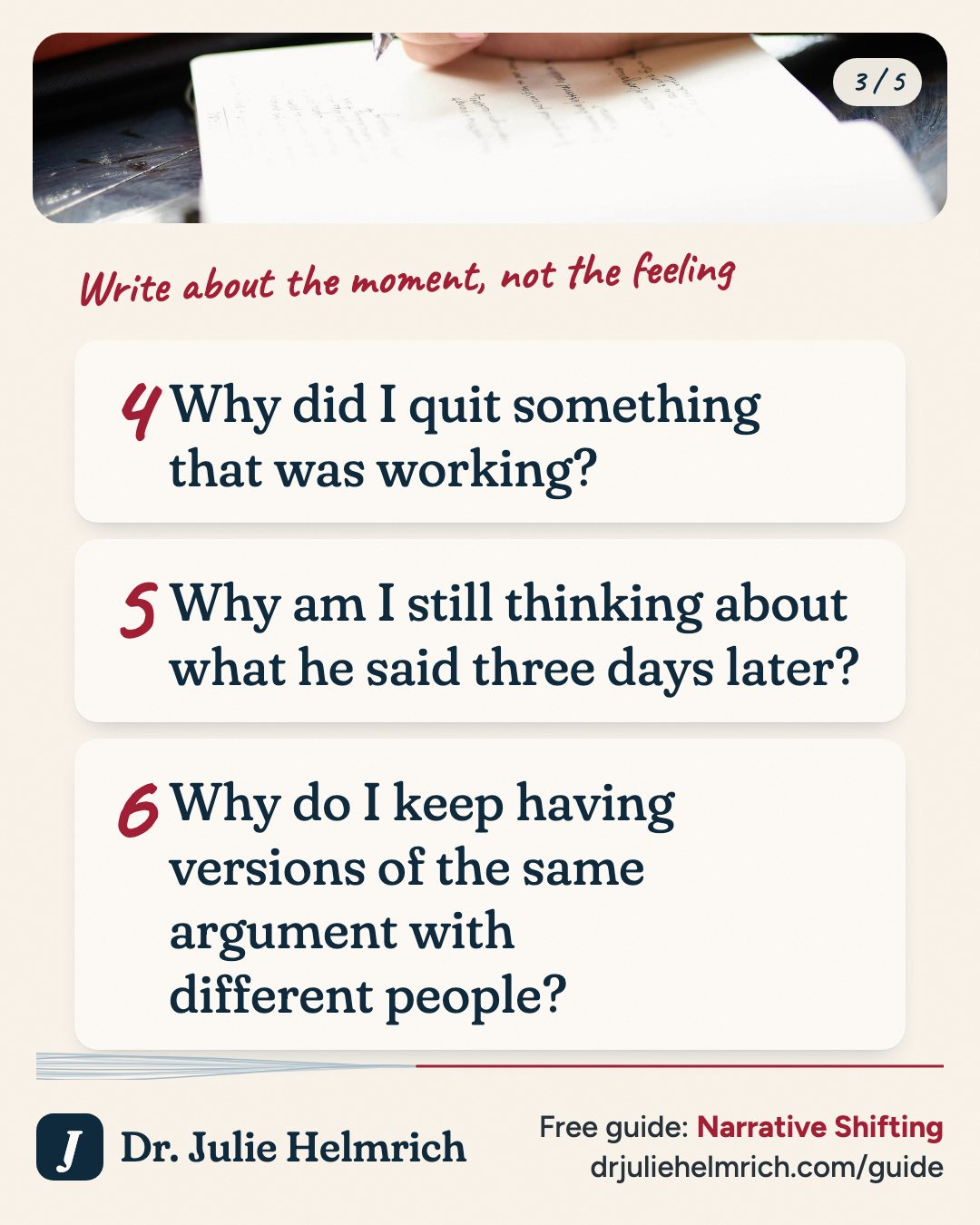
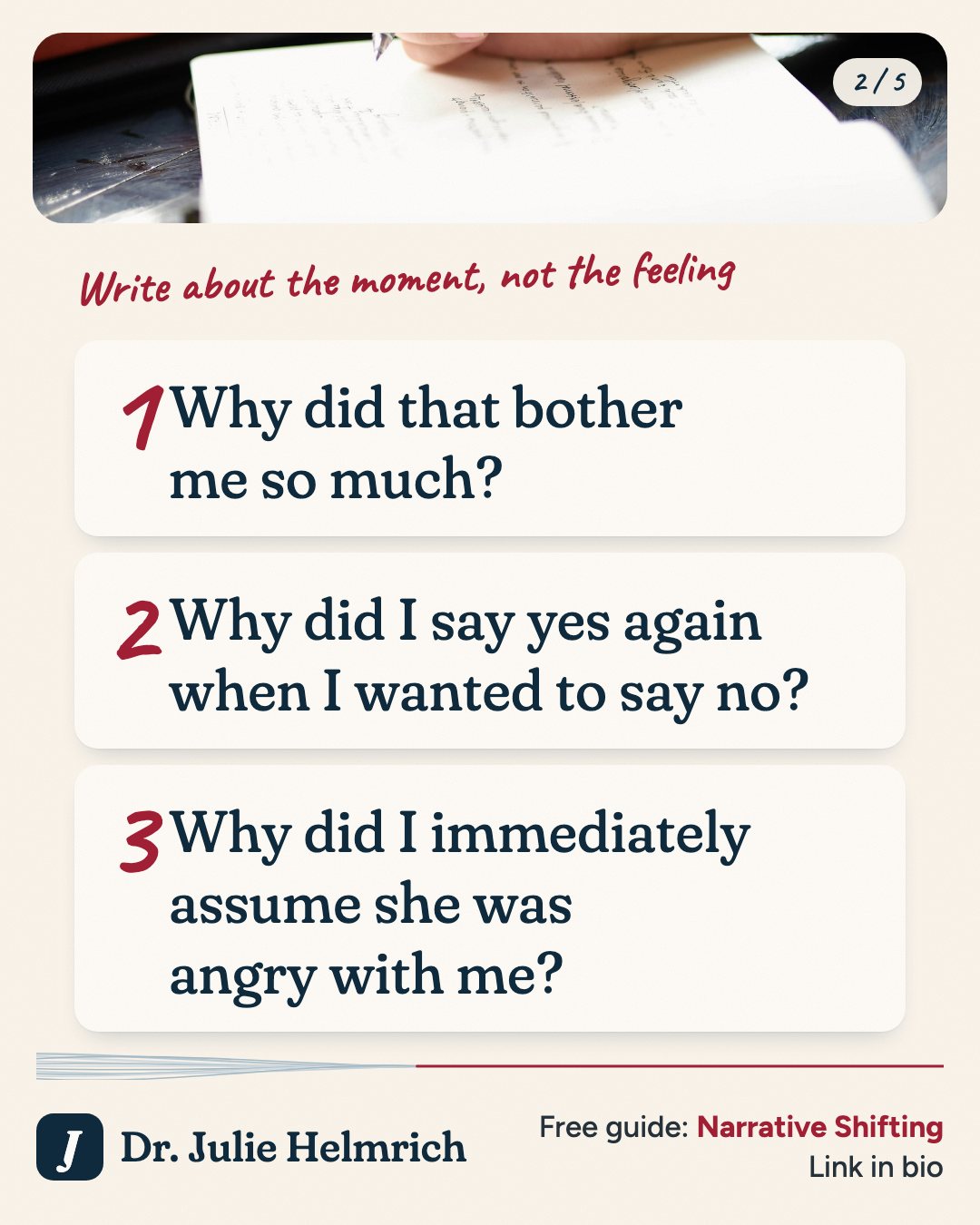
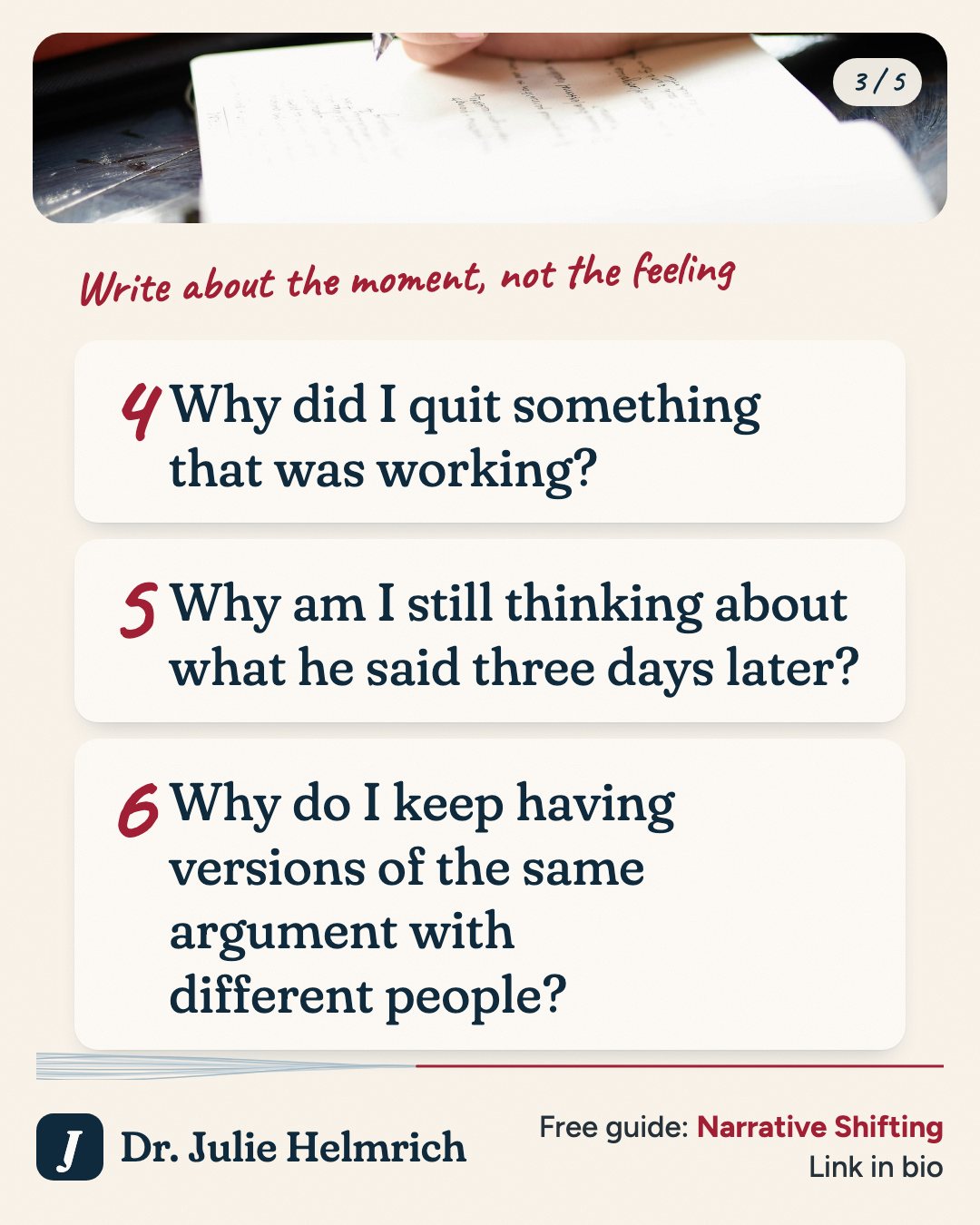
Six questions worth writing down this week.
This is one reason I believe in journaling. I’m not suggesting that putting words in a journal is inherently therapeutic, or that you need to write pages about your feelings every morning. I’m interested in the data.
Why did that bother me so much? Why did I say yes again when I wanted to say no? Why did I immediately assume she was angry with me? Why did I quit something that was working? Why am I still thinking about what he said three days later? Why do I keep having versions of the same argument with different people?
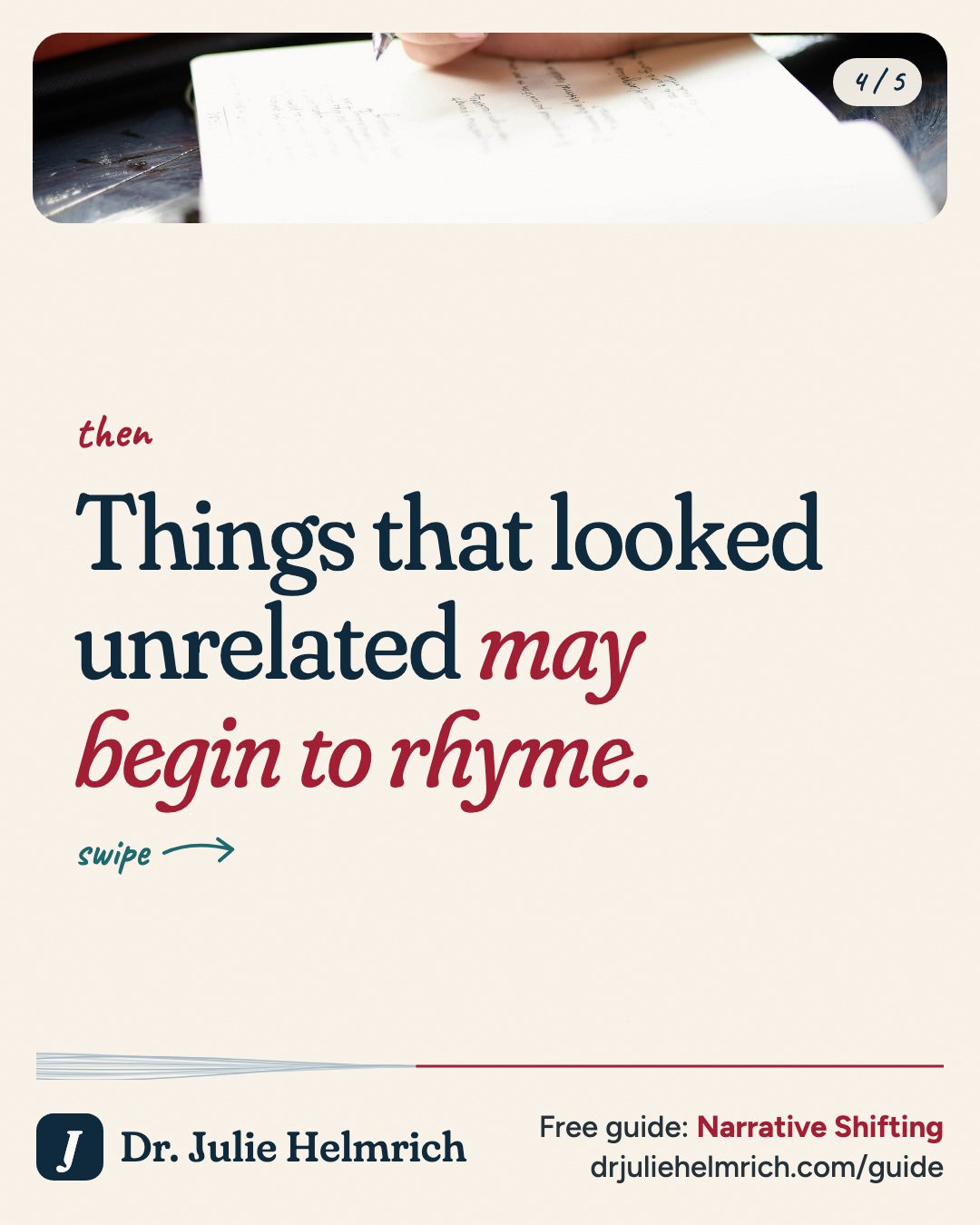
When you write about enough of those moments, things that looked unrelated may begin to rhyme.
Which question is yours this week? Tell me the number in the comments.
Chapter 4 of my free guide has the rest of the experiment.
I'm not suggesting that putting words in a journal is inherently therapeutic, or that you need to write pages about your feelings every morning. I'm interested in the data.
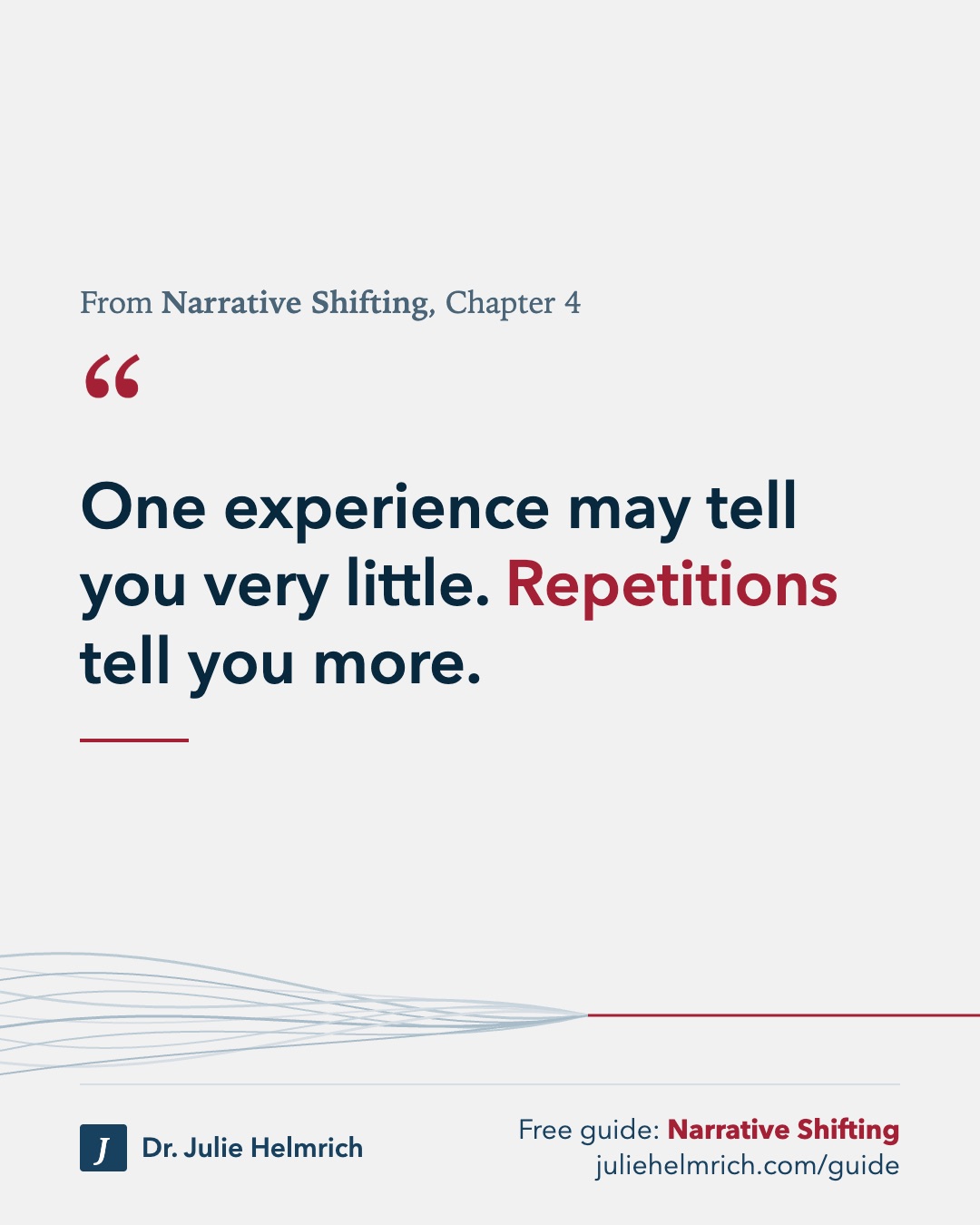
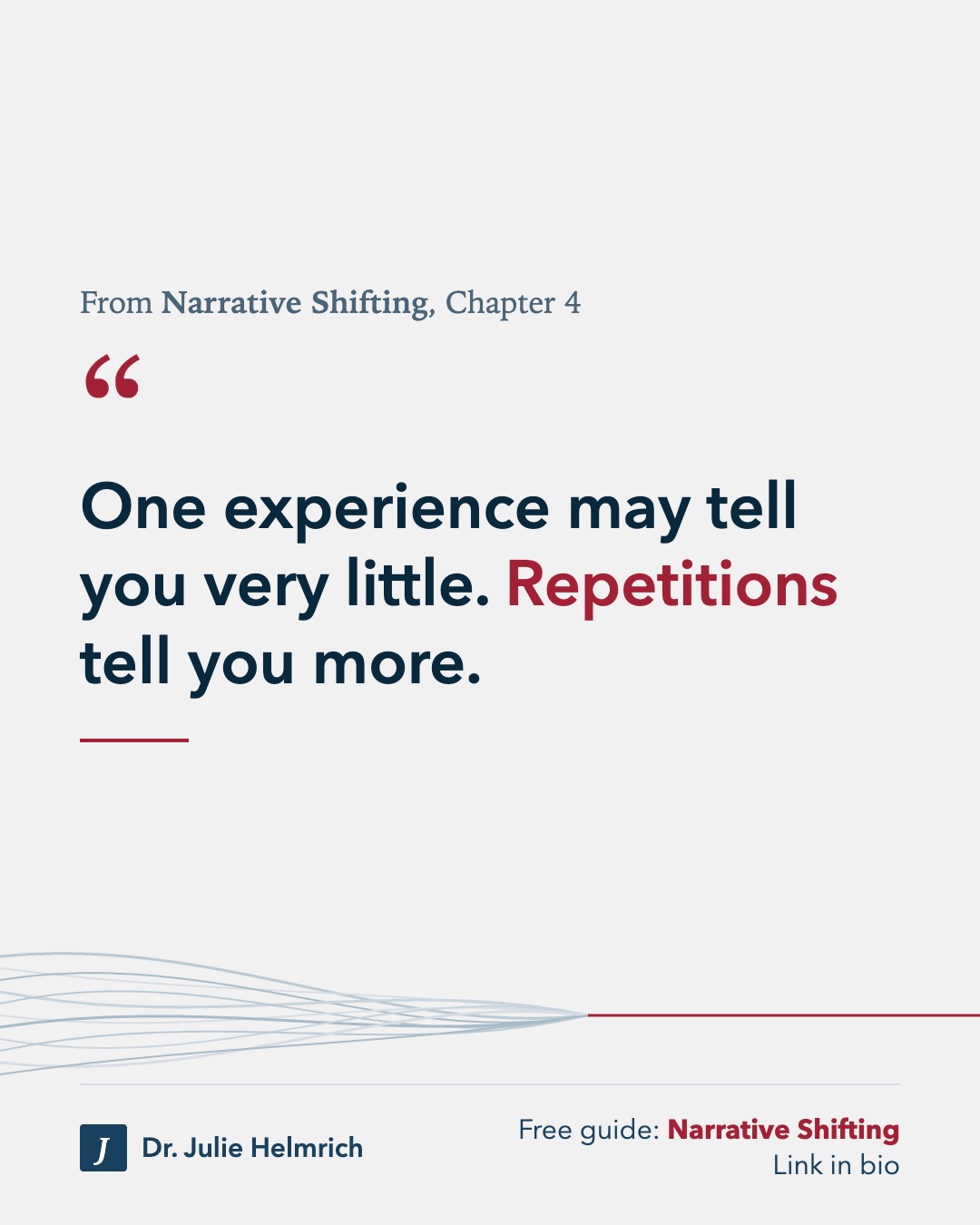
One experience may tell you very little. Repetitions tell you more.
What repeats in your week that you've never written down?
From Chapter 4 of my free guide, Narrative Shifting.
Post P26 · Chapter 5 · Quote card · Teaching post, no guide line
A whole life
Teaching post, no guide line: balance, in Julie's plainest words.
Dr. Julie HelmrichJust now · Public
I know people who are wonderful at relationships and chronically low on cash. I know people who are terrific with money, but nobody wants to sit next to them at the family reunion.
Human flourishing is not about becoming spectacular in one part of life while the rest quietly goes to hell.
That does not mean perfect balance. Different chapters of life ask different things of us.
But if one part of your life flourishes because three others are perpetually sacrificed to it, get curious about that.
Not perfect balance. Just curious about the bill.
LikeCommentShare
Dr. Julie Helmrich
♡○➤□
Human flourishing is not about becoming spectacular in one part of life while the rest quietly goes to hell.
Not perfect balance. Just curious about what's paying for what.
Julie goes first: her purpose in three short lines, and permission for yours to sound nothing like it.
Dr. Julie HelmrichJust now · Public
My own purpose is quite simple:
See and be seen. Listen and be heard. Be the person little kids want to be when they grow up.
Yours does not need to sound like mine. Please do not spend an afternoon trying to write the perfect Purpose Statement. You are looking for a direction, not a sentence that will never need revising.
What's yours, in a rough first draft? Tell me in the comments.
Step 1, Purpose, is in my free guide, Narrative Shifting.
Julie shares her own purpose, then invites people to write theirs.
Dr. Julie HelmrichJust now · Public
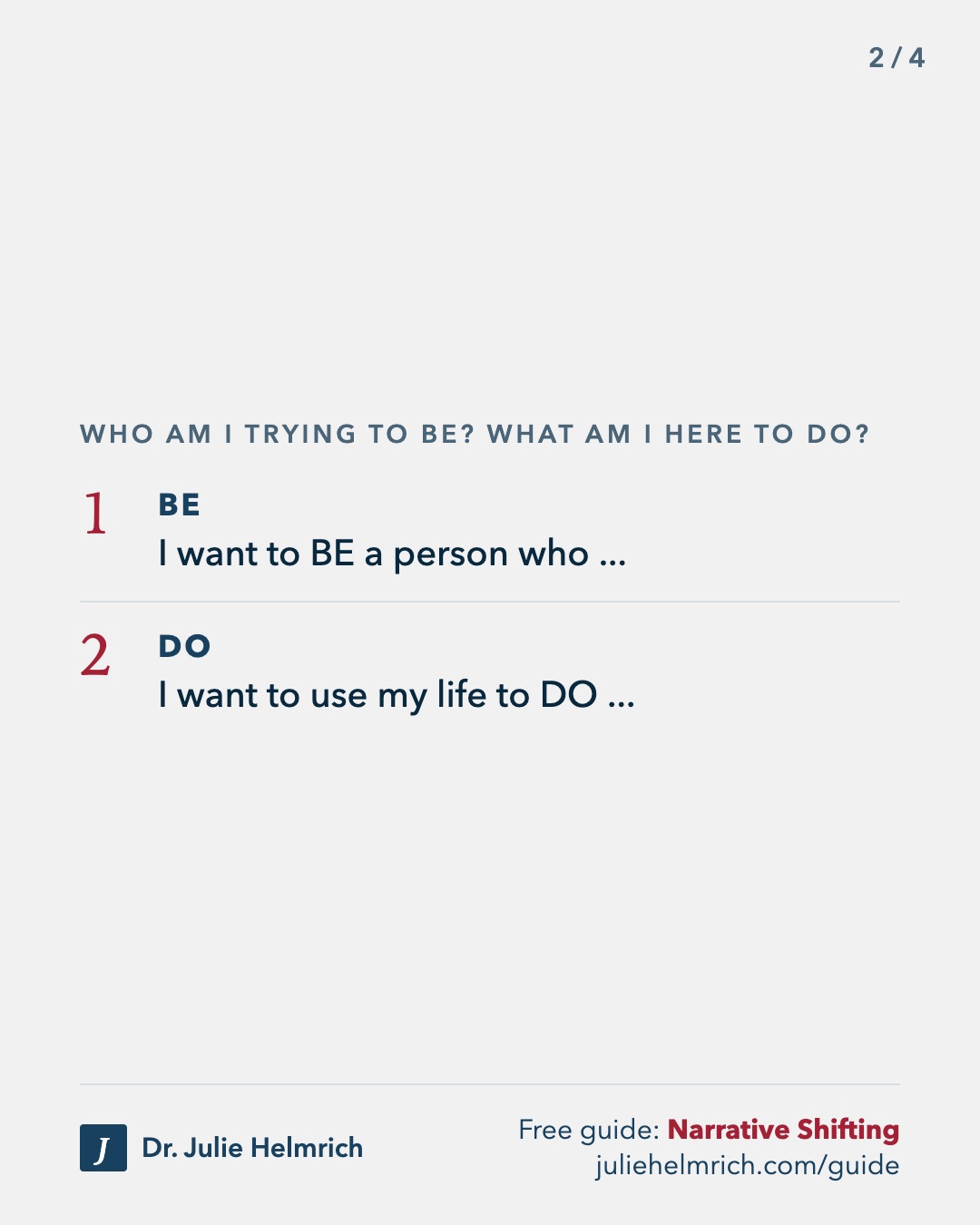
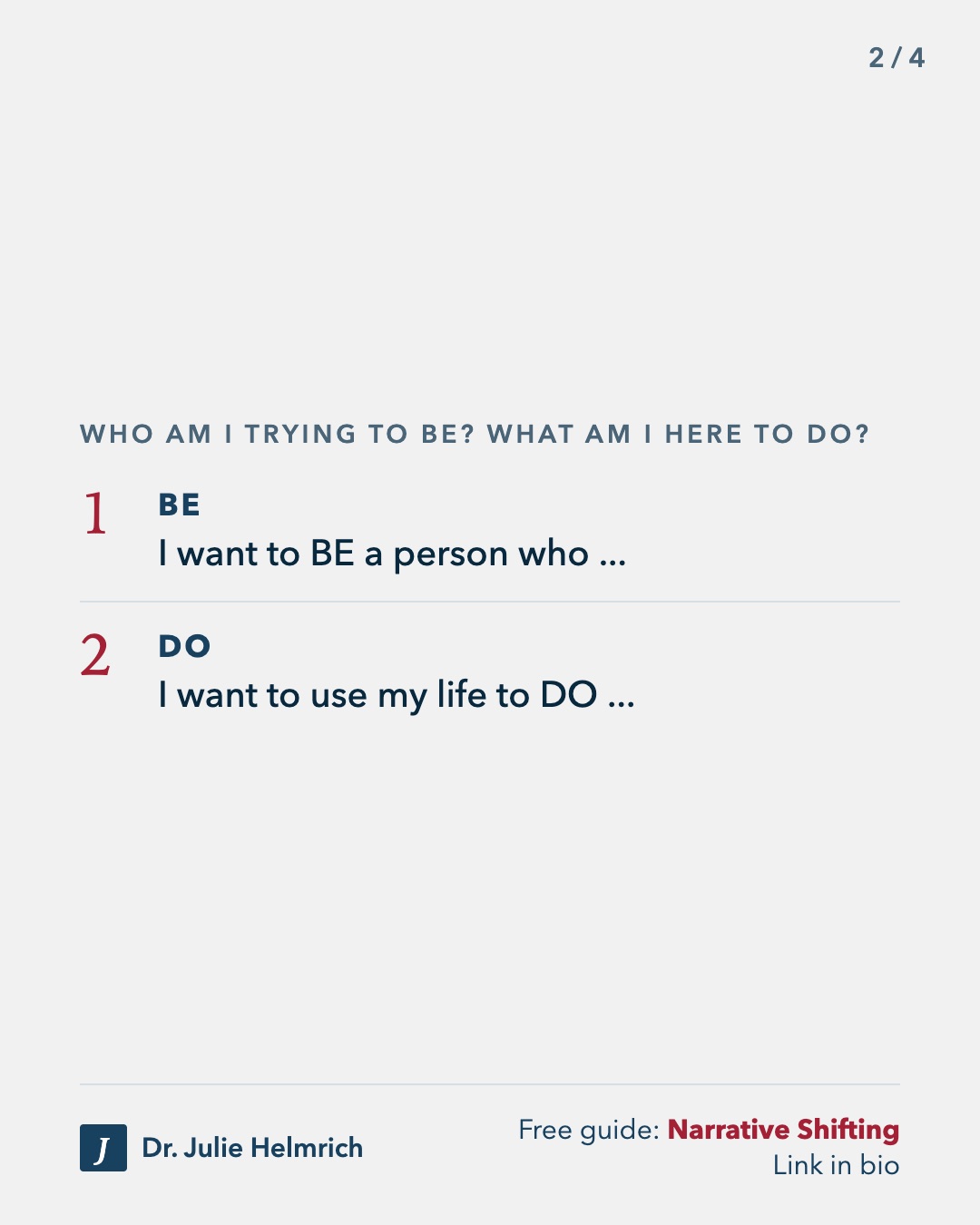
Two sentences. Don't make them impressive.
My own purpose is quite simple: See and be seen. Listen and be heard. Be the person little kids want to be when they grow up.
Yours does not need to sound like mine. Please do not spend an afternoon trying to write the perfect Purpose Statement. You are looking for a direction, not a sentence that will never need revising.
Swipe, finish the two sentences, and share one in the comments if you're willing.
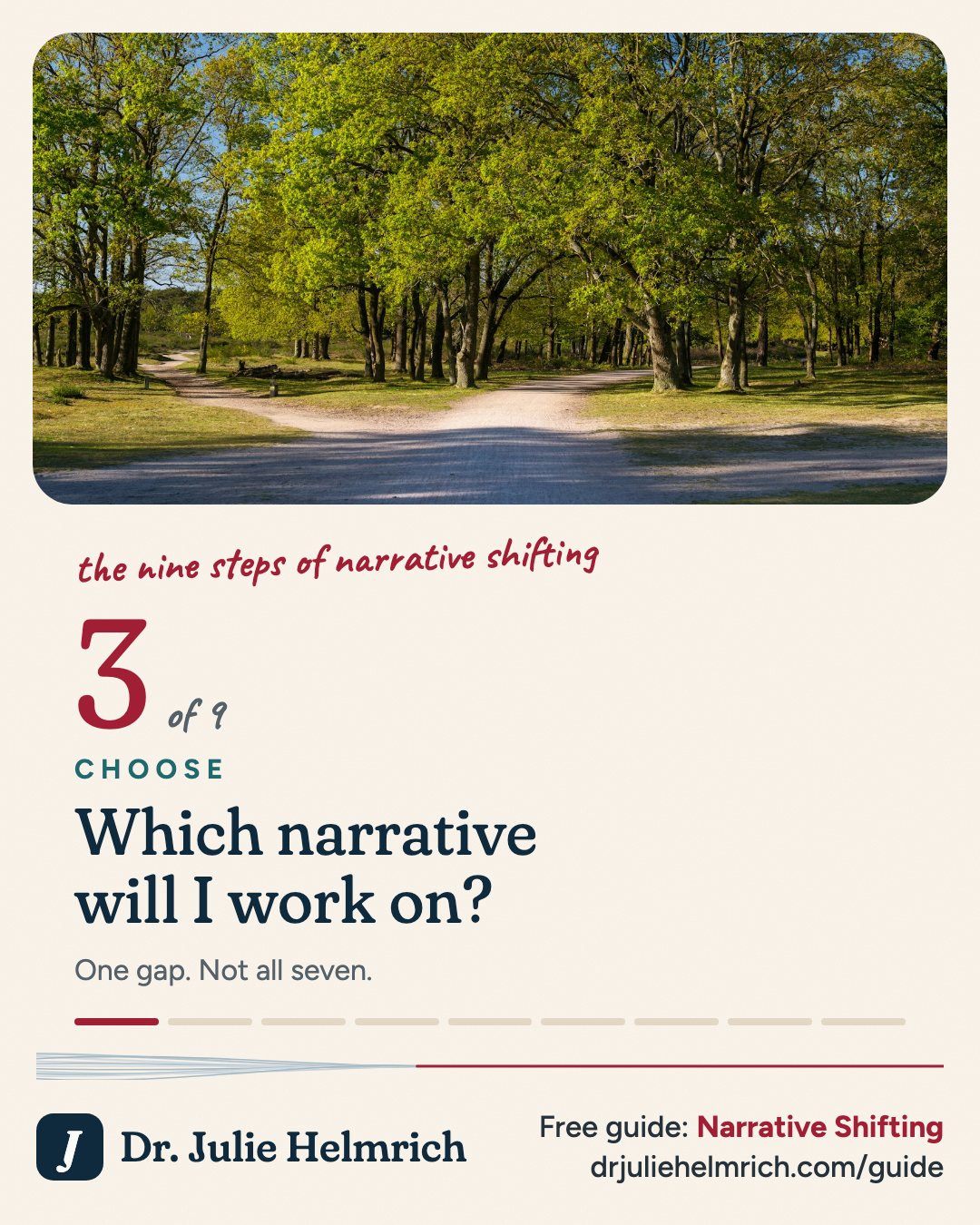
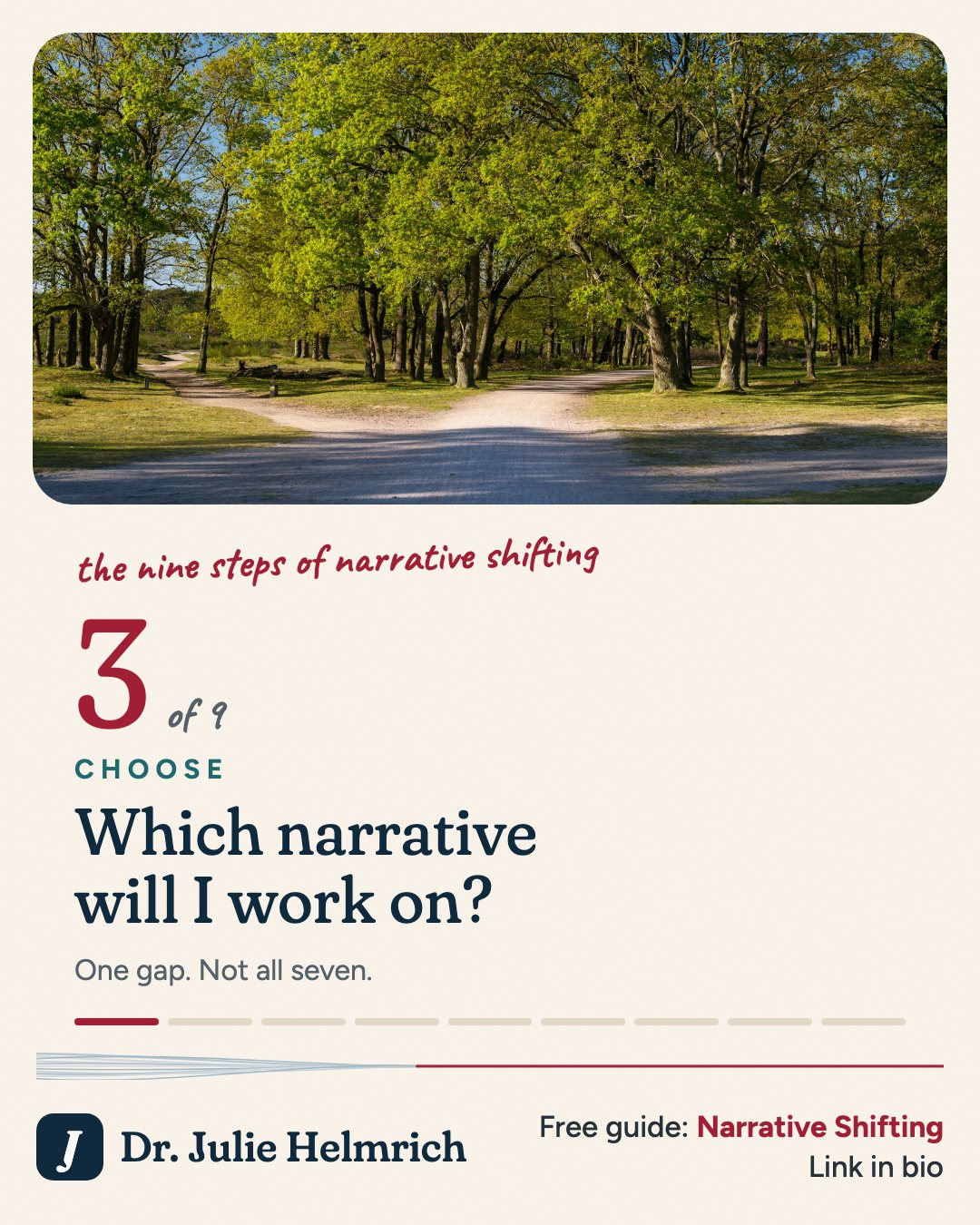
Choose: one meaningful gap, not all of them at once.
Dr. Julie HelmrichJust now · Public
Don’t fix any of this yet.
For now, tell the truth about what you see.
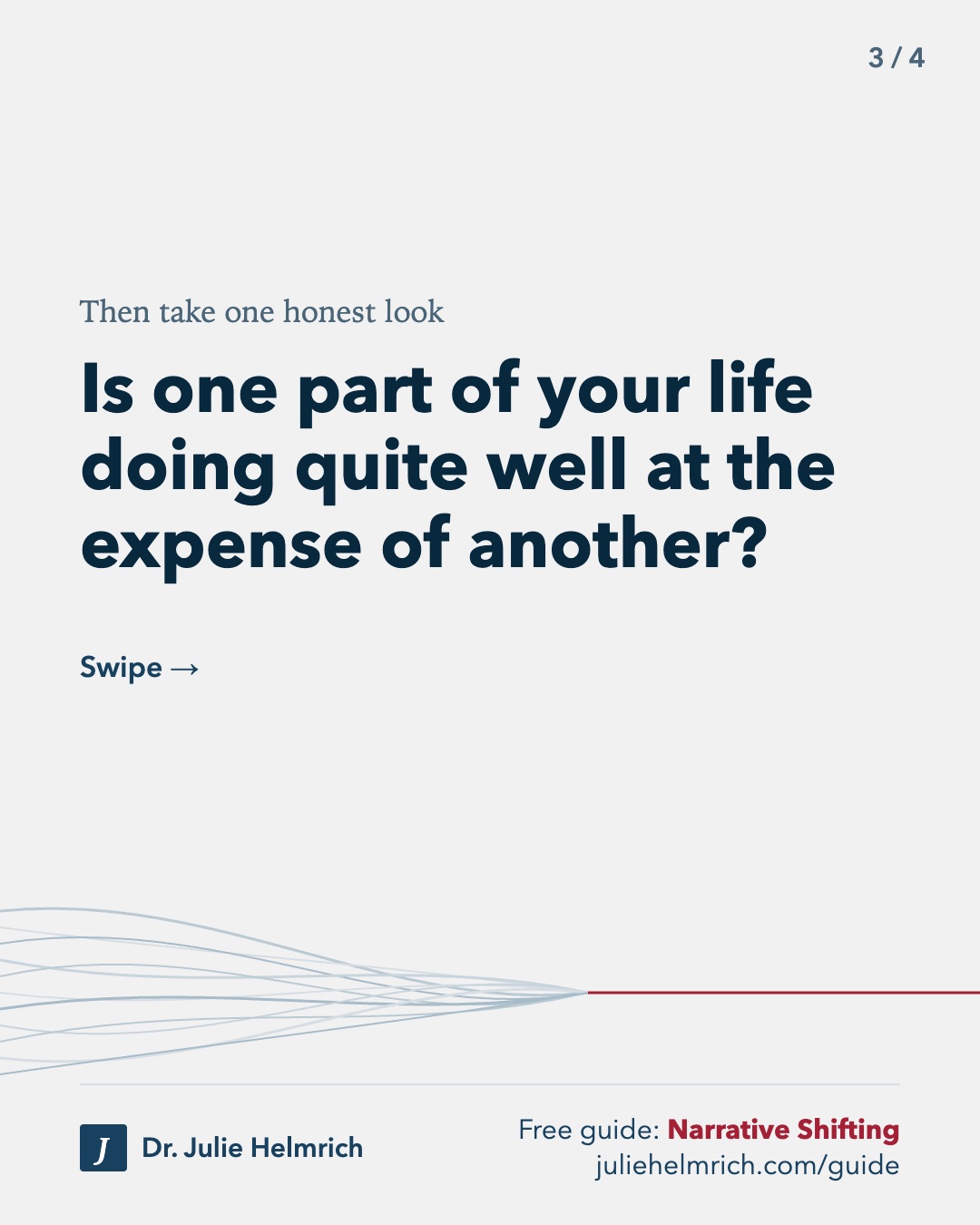
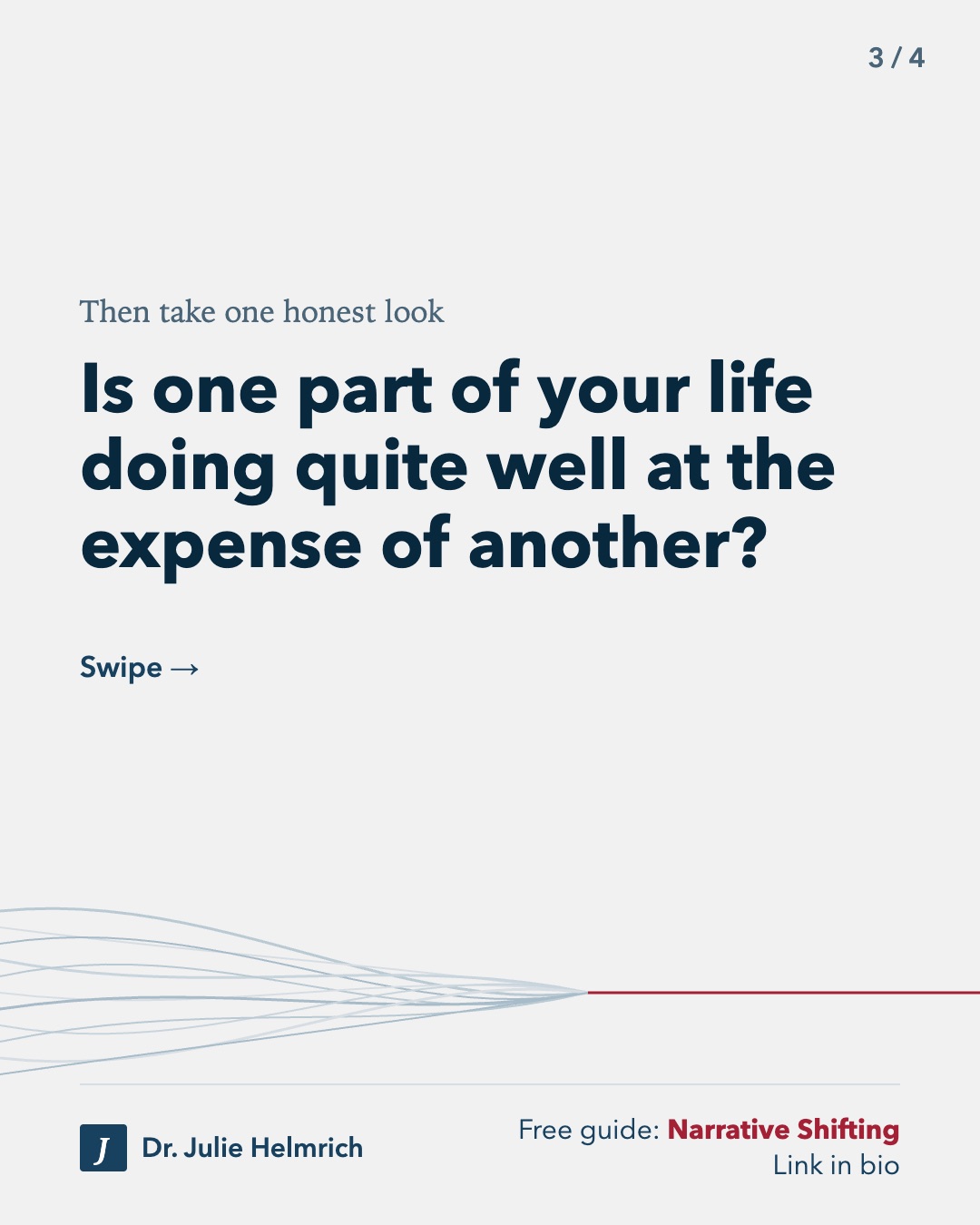
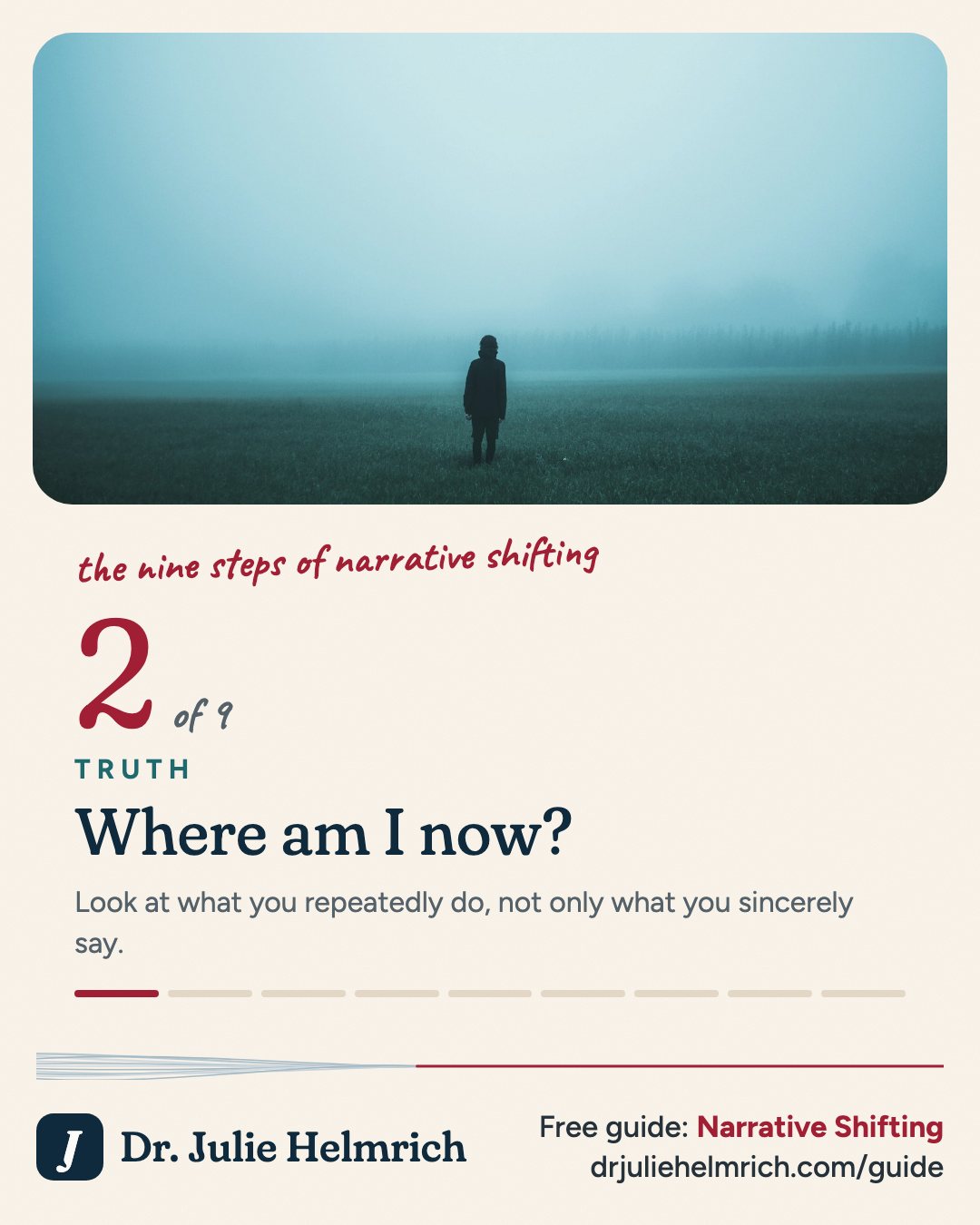
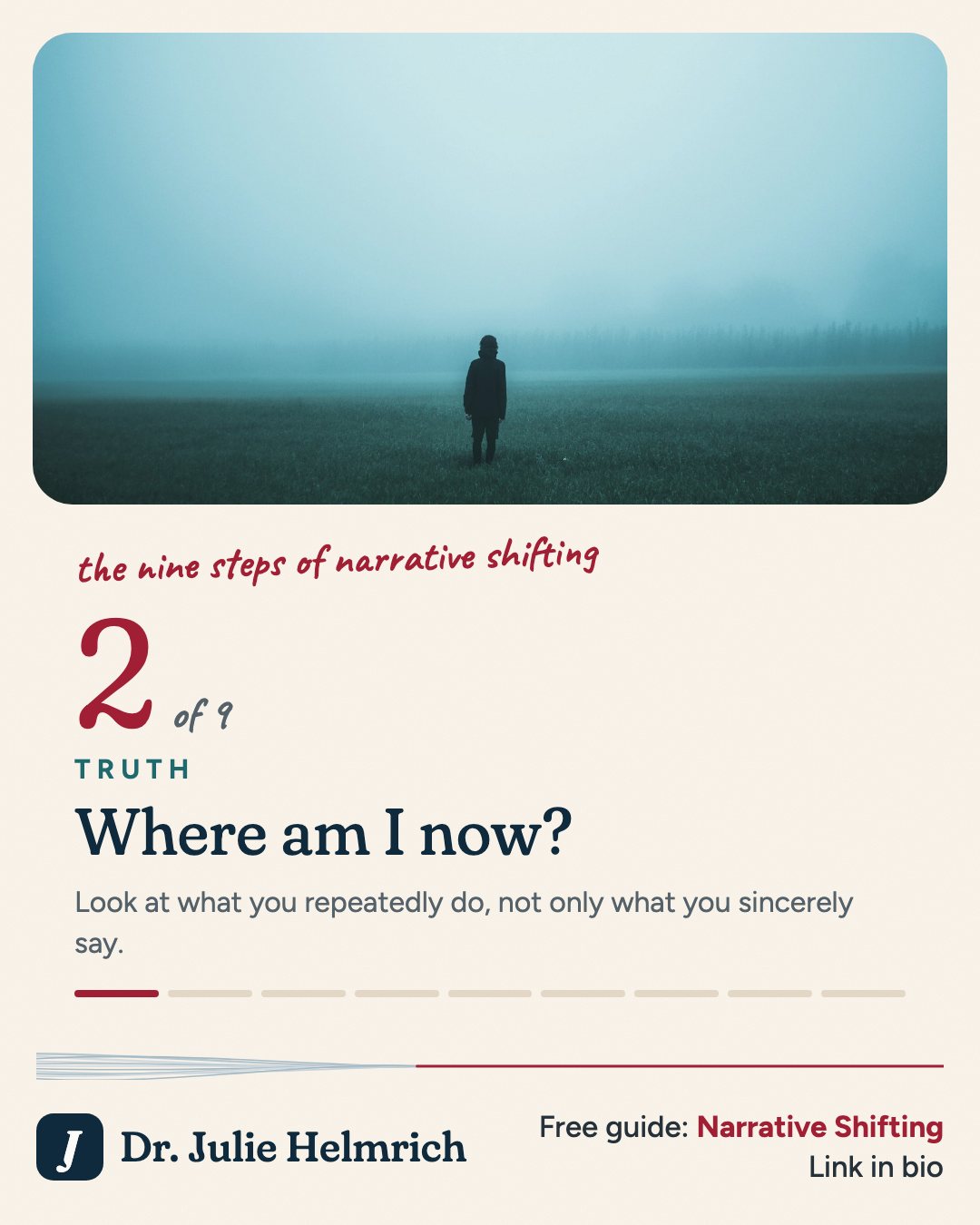
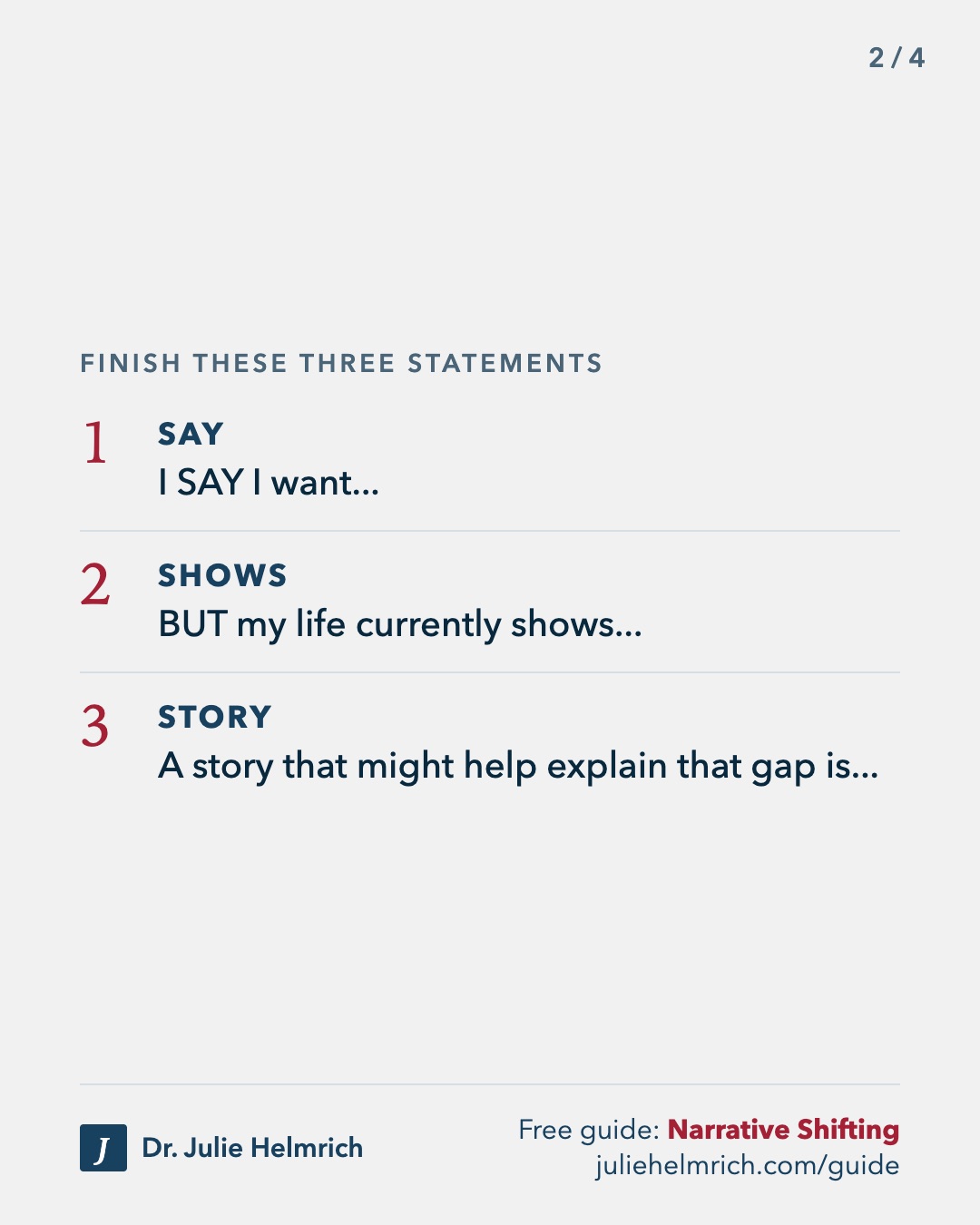
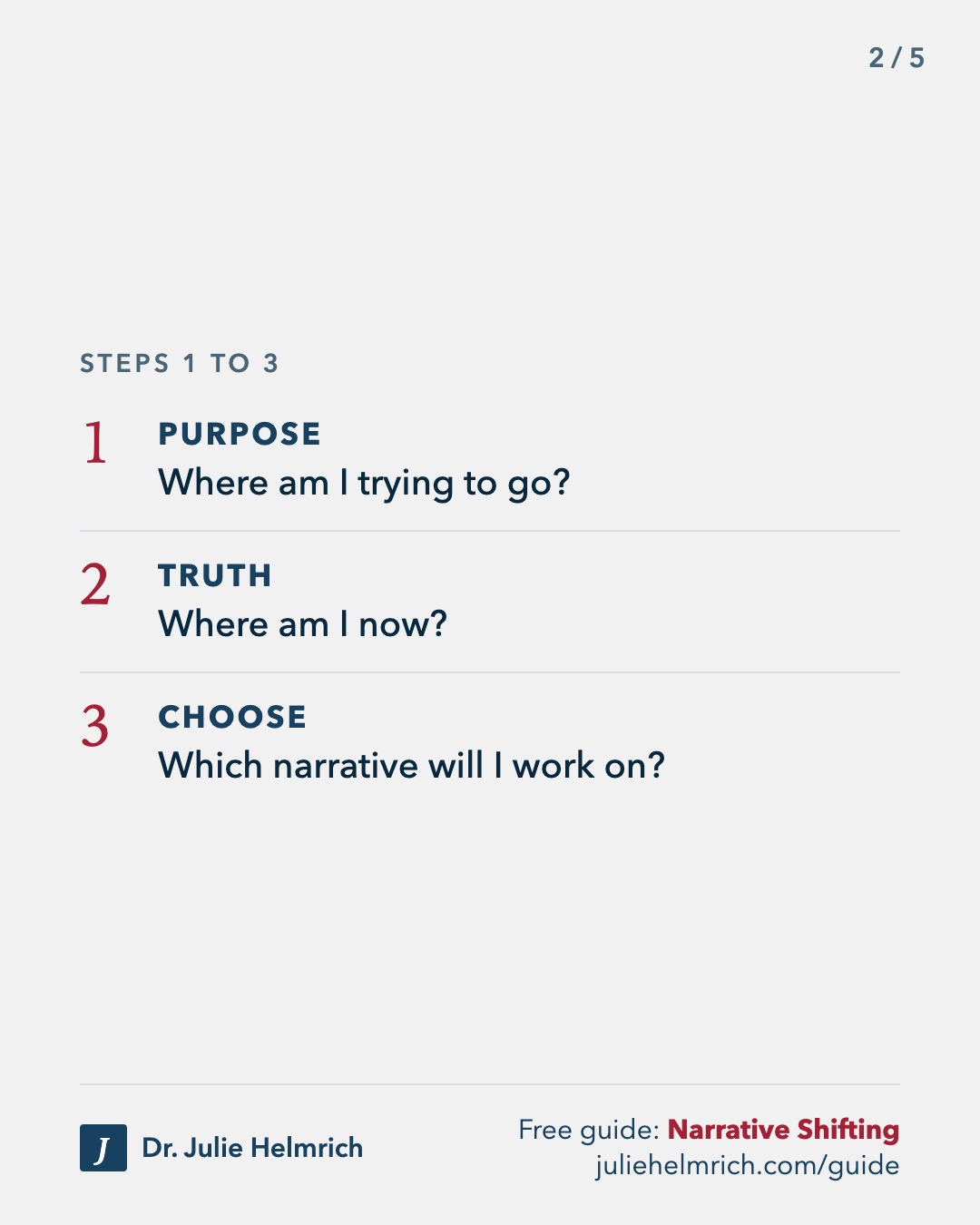
The next step is Choose. Where is there a meaningful gap between the life you say you want and the life you are actually living? Which story might be worth examining first?
There may be several stories operating in several parts of your life. You do not need to excavate them all at once.
Which gap would you look at first? Just the area is fine. Tell me in the comments.
Step 3 of the nine steps in my free guide, Narrative Shifting.
People who are good at personal development can get themselves into trouble here. They notice seven gaps and immediately decide to work on all seven. Please don't.
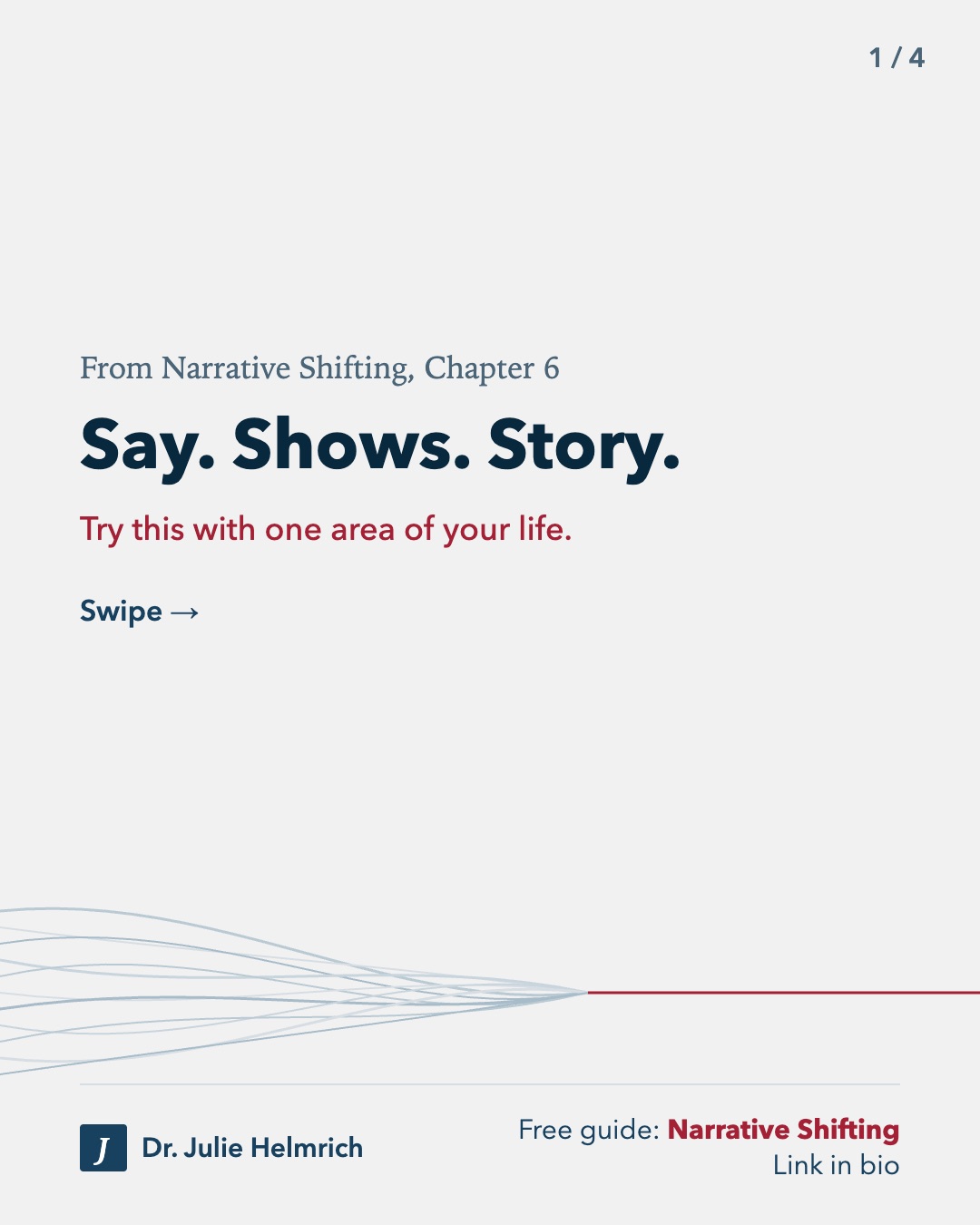
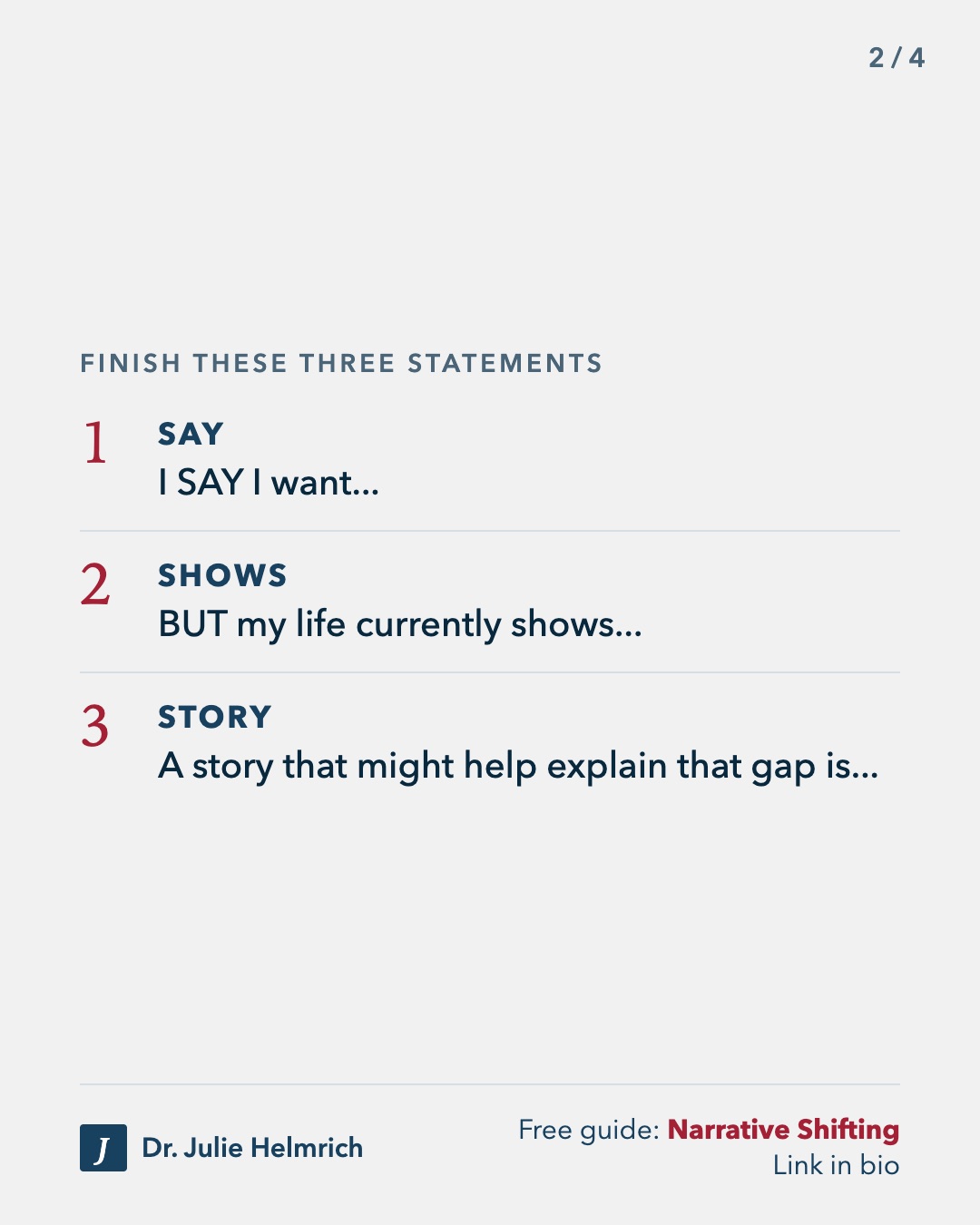
Swipe for the three statements. One area, one gap.
Which area would you pick first?
Step 3 of the nine steps in my free guide, Narrative Shifting.
Replaces What's wrong with me? with a question that explains without excusing.
Dr. Julie HelmrichJust now · Public
Try a different question.
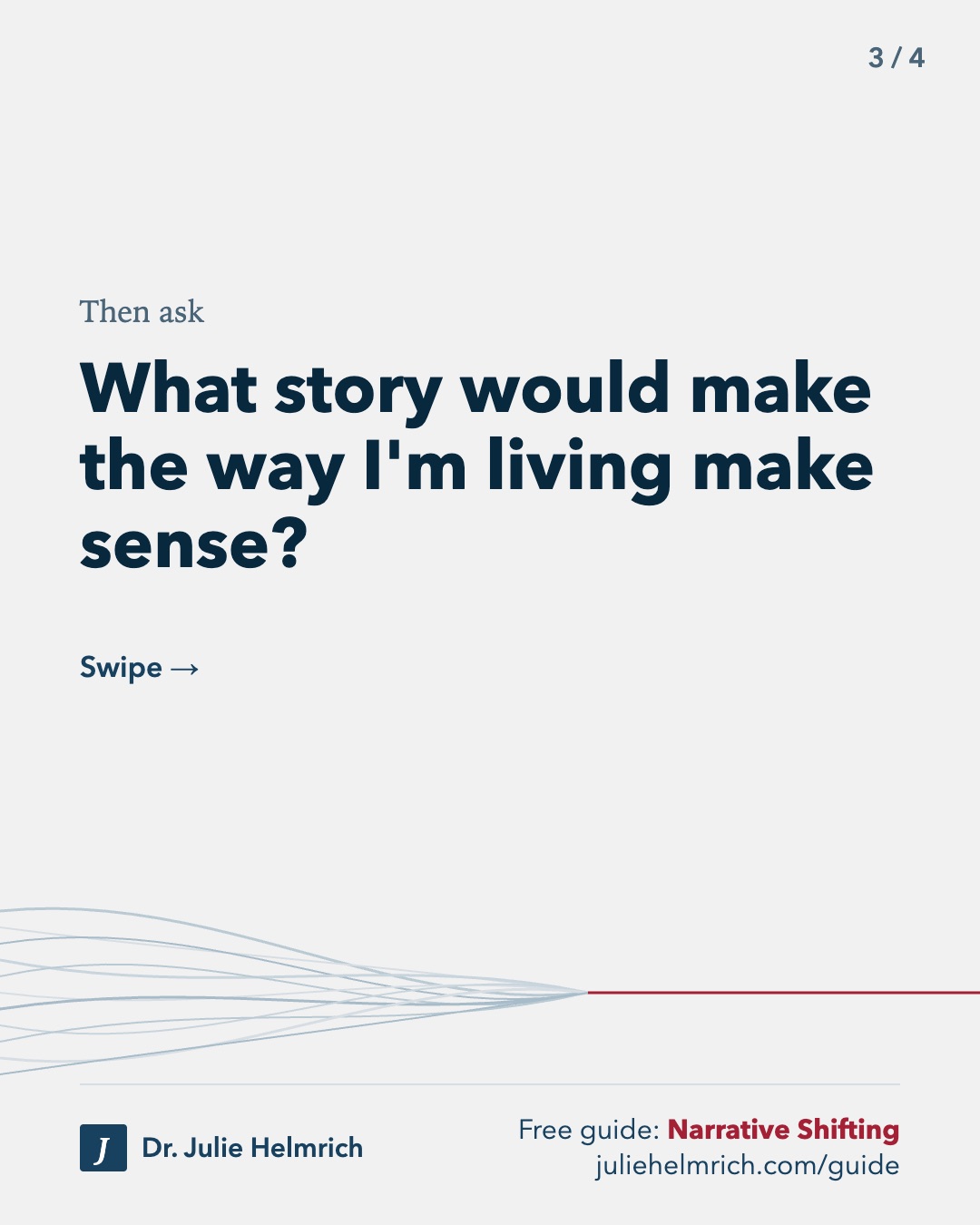
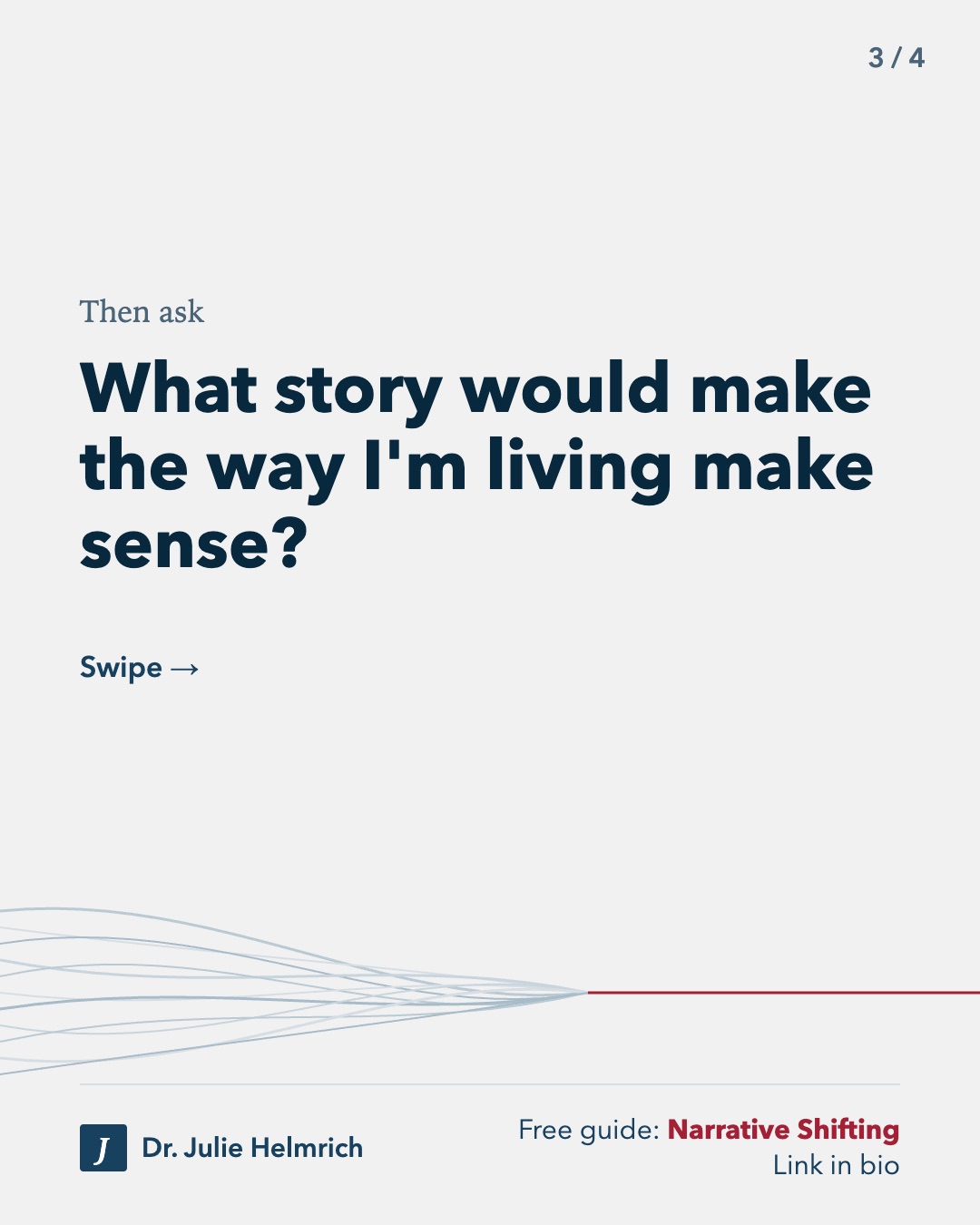
As you consider that gap, ask a curious question. Instead of What’s wrong with me? or Why can’t I get my act together?, try:
What story would make the way I’m living make sense?
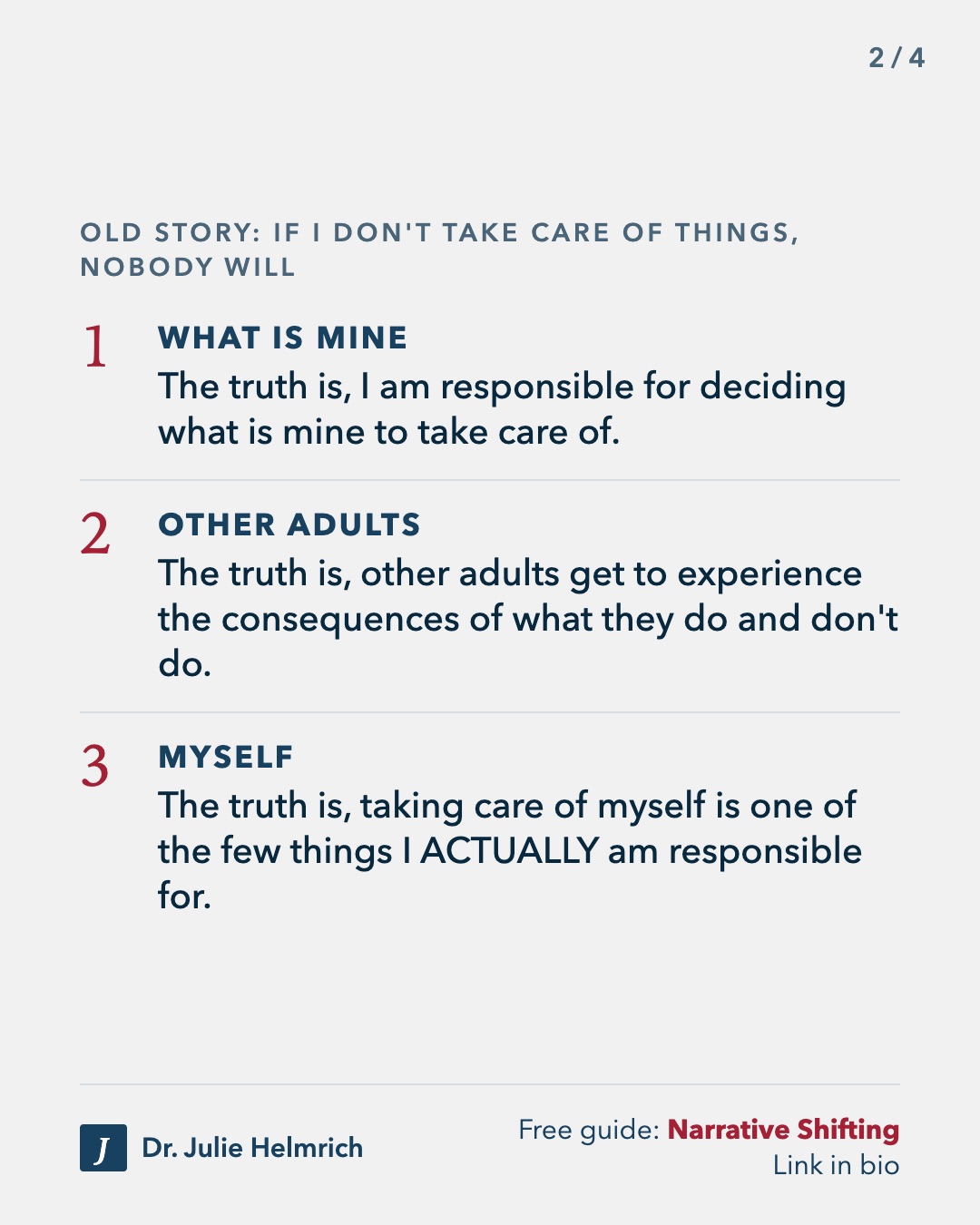
Perhaps the story sounds like If I don’t take care of it, nobody will. Or There’s never enough. Or I can’t let people down. It might be This is just what marriage is like, It’s too late, or People can’t really be trusted.
You are looking for a plausible explanation, one that helps you understand your behavior without excusing it or condemning yourself.
Does one of those sentences sound familiar? Tell me which, in the comments.
Step 3, Choose, in my free guide, Narrative Shifting.
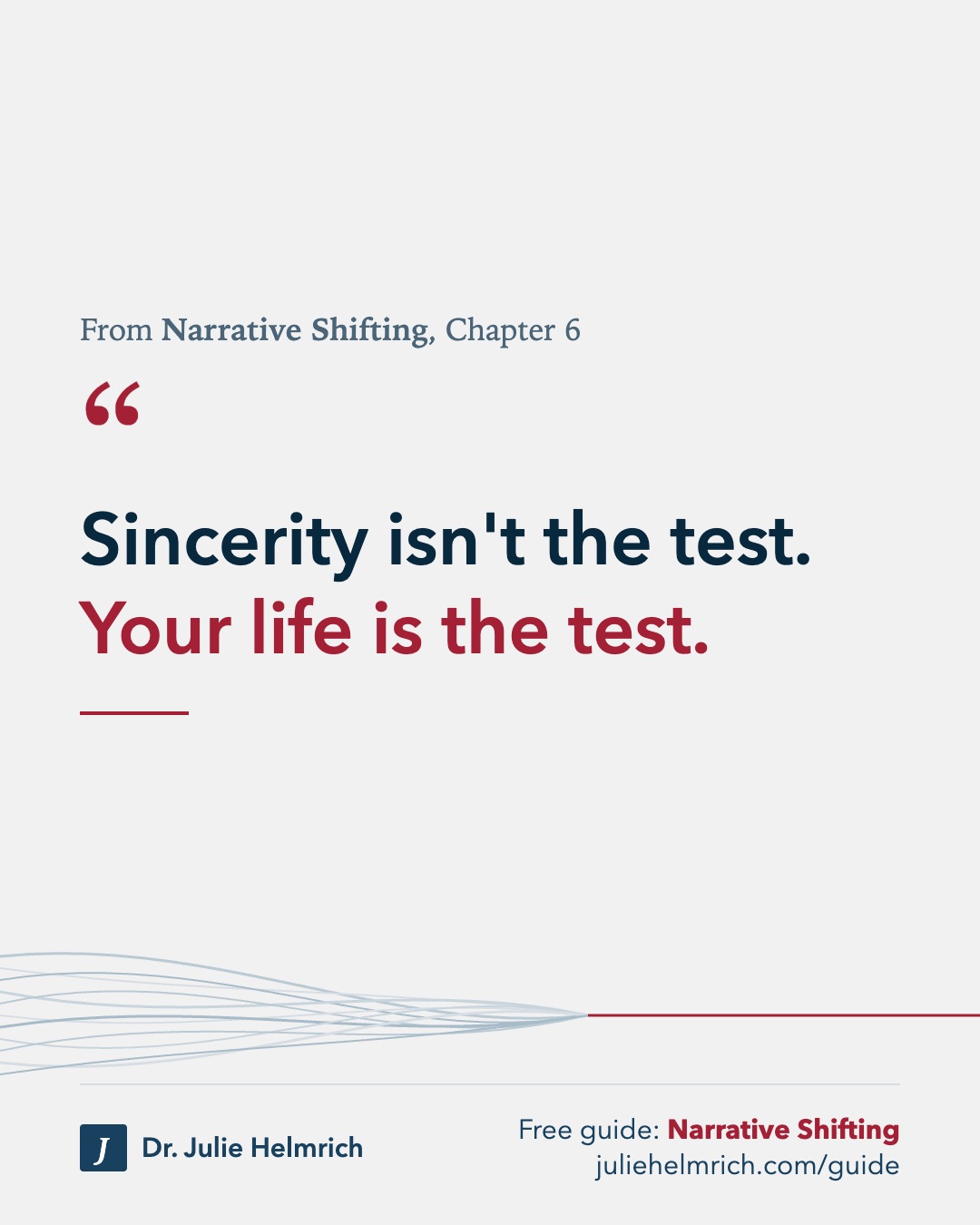
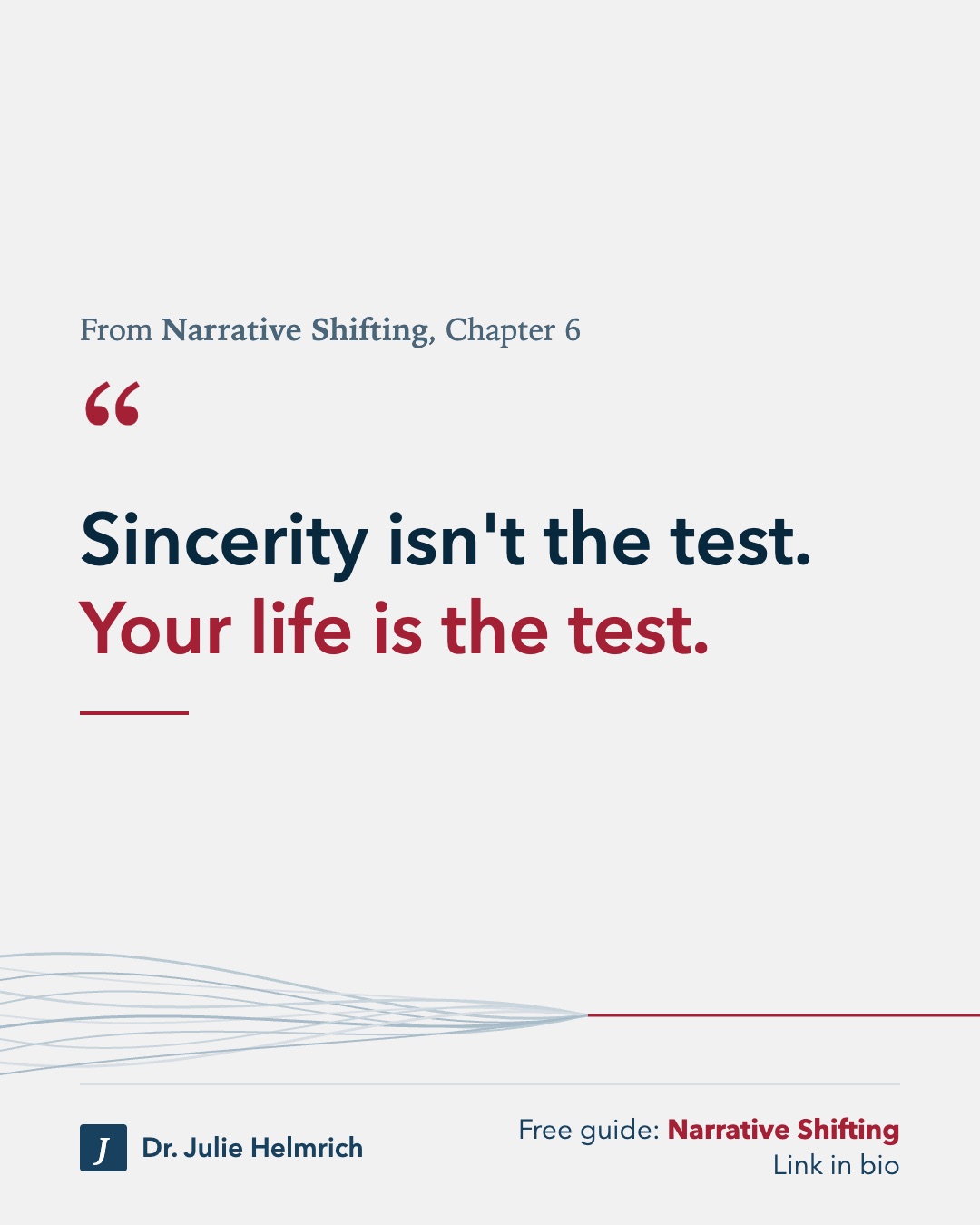
Post P35 · Chapter 6 · Quote card · Teaching post, no guide line
Please don't
Teaching post, no guide line: a warning for the people who are good at this.
Dr. Julie HelmrichJust now · Public
People who are good at personal development can get themselves into trouble here.
They notice seven gaps and immediately decide to work on all seven. Please don’t.
Maybe relationships matter deeply to you, but nearly every week fills up before you make time for the people you love. Maybe you want financial freedom, but avoid looking closely at your money.
For now, tell the truth about the gap and choose one story to examine.
One. The others will keep.
LikeCommentShare
Dr. Julie Helmrich
♡○➤□
They notice seven gaps and immediately decide to work on all seven. Please don’t.
Old: curiosity before replacement. Where did the story come from, and what has it done?
Dr. Julie HelmrichJust now · Public
We get curious about the old narrative before trying to replace it.
Where did it come from? Is it a story you developed yourself, or one you inherited from your family, culture, profession, religion, or somebody else’s idea of who you were supposed to be?
Old narratives often have evidence behind them. They worked in some places, at least for a time.
Is this still the story I want organizing my life?
Where did your story come from: you, your family, your work, somewhere else? Tell me in the comments.
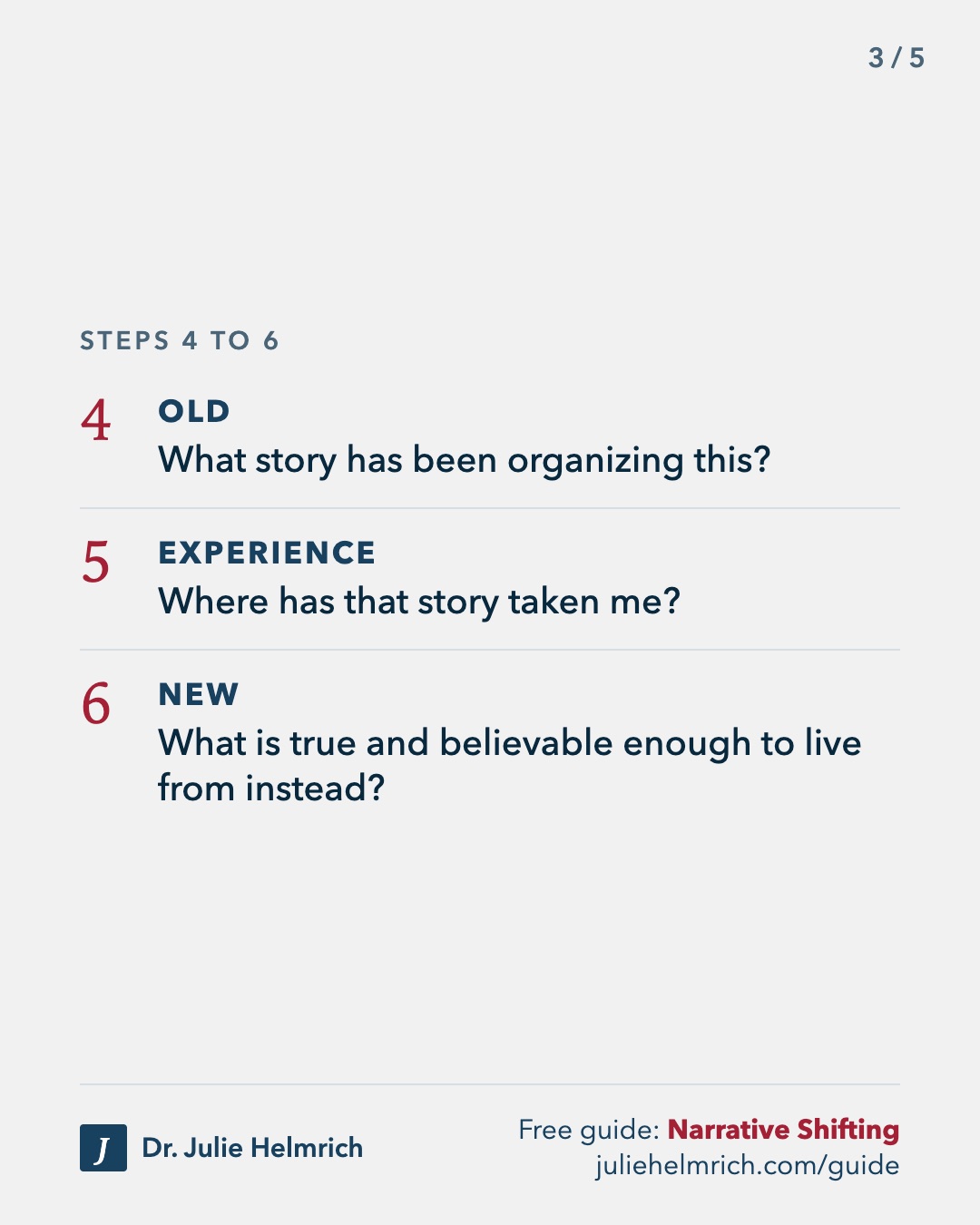
Step 4 of the nine steps in my free guide, Narrative Shifting.
Where did it come from? Is it a story you developed yourself, or one you inherited from your family, culture, profession, religion, or somebody else’s idea of who you were supposed to be?
That is part of why changing it can be difficult.
Professions hand out stories, too. Which one did yours give you?
Step 4 of the nine steps in my free guide, Narrative Shifting.
New: three words to begin, and the test that it has to be believable, not inspiring.
Dr. Julie HelmrichJust now · Public
Three words to begin.
Then we move toward Step Six: NEW. Begin with three words:
The truth is...
Not The positive thing is... or The thing I would like to believe is... We are not looking for an affirmation to repeat until it sounds convincing.
The aim is a story that feels true enough and believable enough that you could begin to live from it. You do not have to believe it completely. You need to believe it enough to experiment.
Finish it for one story of your own, if you're willing: The truth is...
Step 6 of the nine steps in my free guide, Narrative Shifting.
We are not looking for an affirmation to repeat until it sounds convincing.
The aim is a story that feels true enough and believable enough that you could begin to live from it. You do not have to believe it completely. You need to believe it enough to experiment.
Enough to experiment. That's a lower bar than most of us set, and a more useful one.
Step 6 of the nine steps in my free guide, Narrative Shifting.
The aim is not the prettiest or most inspiring sentence.
The aim is a story that feels true enough and believable enough that you could begin to live from it. You do not have to believe it completely. You need to believe it enough to experiment.
Where do mission statements and goals fail this test?
From Chapter 7 of my free guide, Narrative Shifting.
Why knowing isn't enough: felt cost is what loosens a story's grip.
Dr. Julie HelmrichJust now · Public
Intellectual disagreement with an old narrative is not always enough to loosen it.
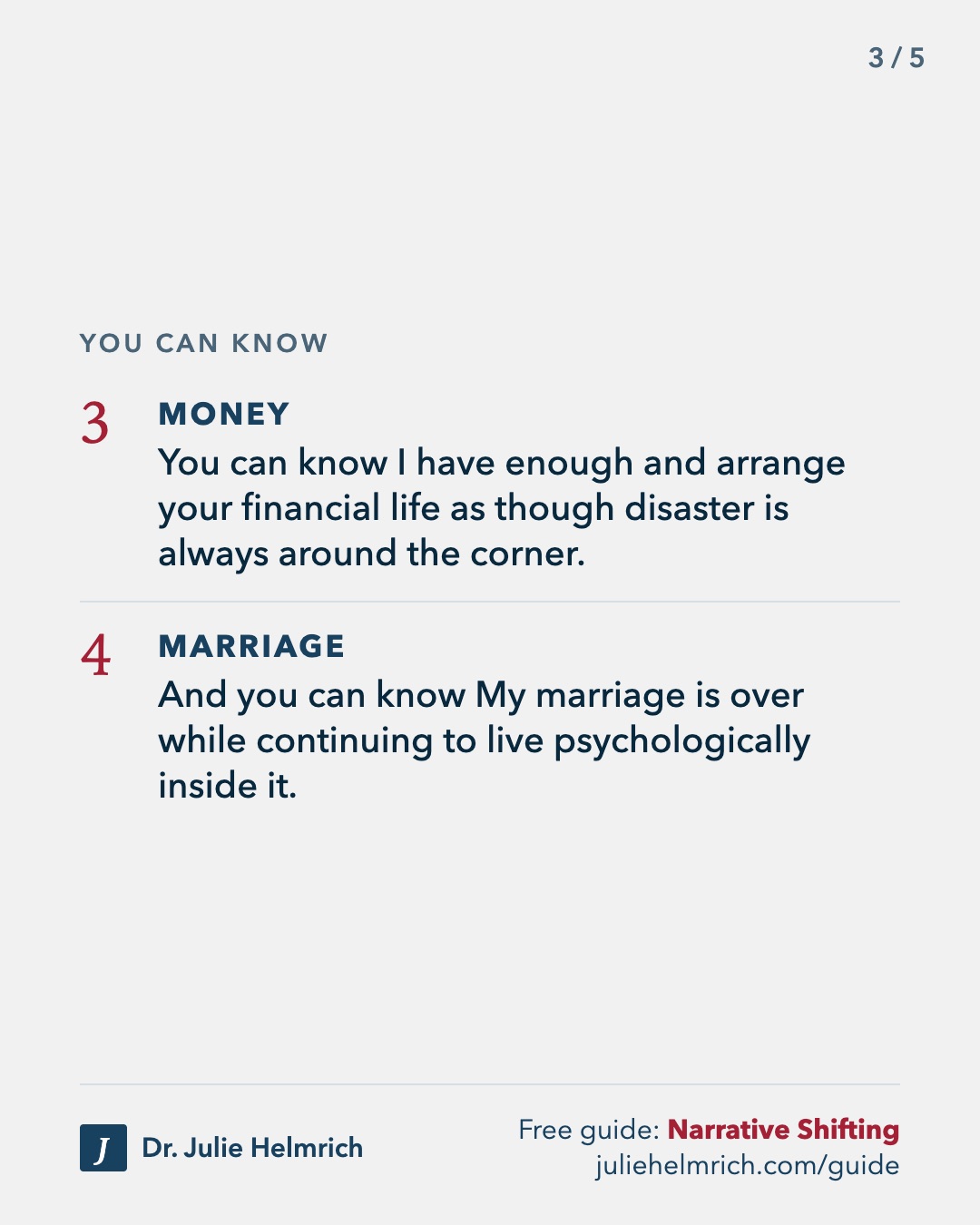
You can know a story is costing you and keep living from it for years. You can know what it is costing others and keep living it. You can KNOW all of that and still keep the status quo in place.
Experiencing the cost is what gives you the leverage to make a different choice.
Not because she was stupid to live from it. She had reasons. It made sense, and it served her in real ways. But now she can see where it takes her today.
What finally made a cost real for you? Tell me in the comments.
You can know a story is costing you and keep living from it for years. You can know what it is costing others and keep living it. You can KNOW all of that and still keep the status quo in place.
Experiencing the cost is what gives you the leverage to make a different choice.
Every organization knows what its worst habit costs. Few have felt it.
Post P42 · Chapter 7 · Quote card · Teaching post, no guide line
A prettier sentence
Teaching post, no guide line: why a nicer story you don't believe changes nothing.
Dr. Julie HelmrichJust now · Public
I do not want you to replace it immediately with a nicer sentence. Other people are perfectly capable of taking care of things. I deserve to put myself first. Everything will work out if I let go.
Maybe. But do you believe any of those statements? If you don’t, nothing has shifted.
You have written a prettier sentence.
A new sentence you do not believe is unlikely to change how you live.
Believable beats pretty.
LikeCommentShare
Dr. Julie Helmrich
♡○➤□
Maybe. But do you believe any of those statements? If you don’t, nothing has shifted.
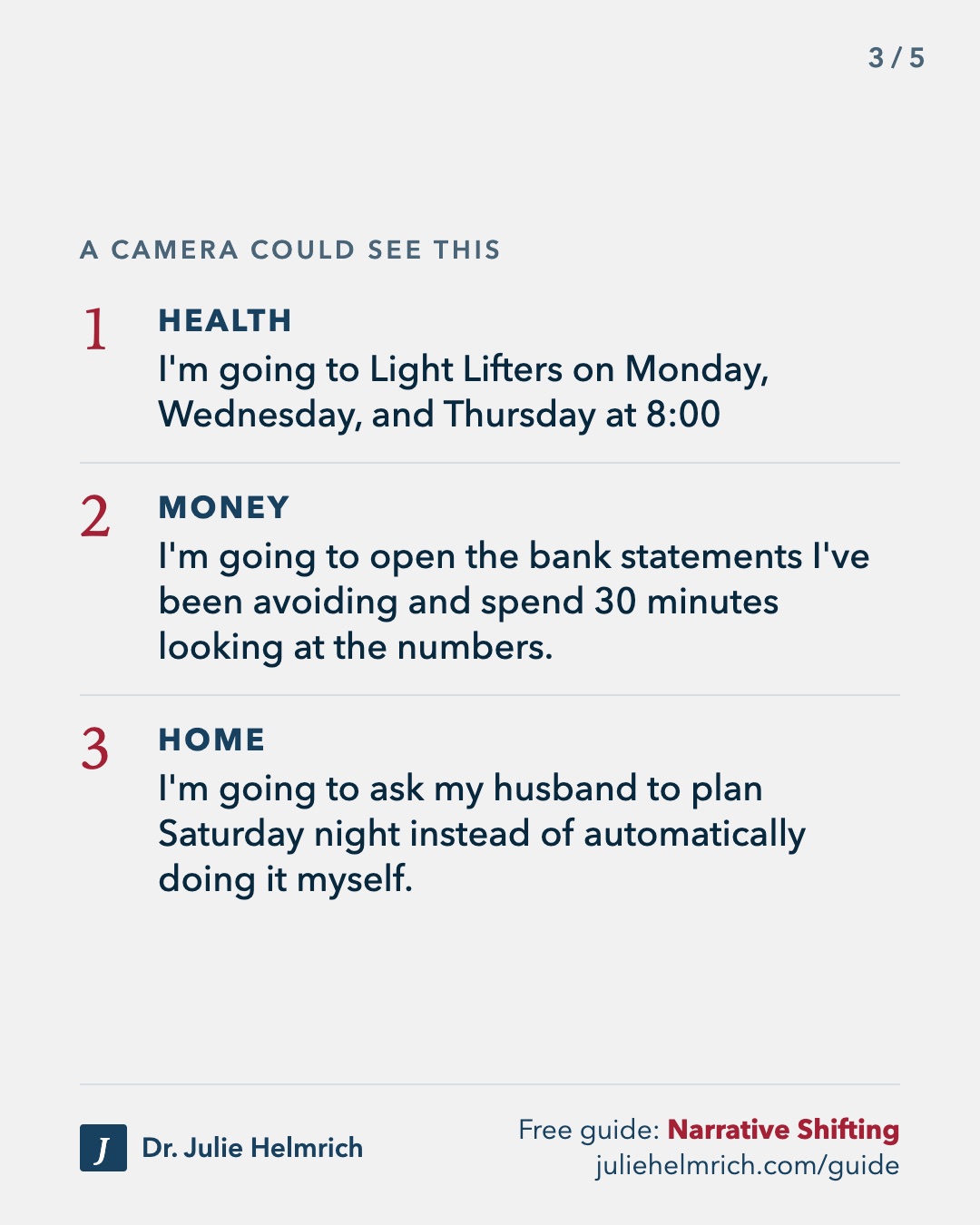
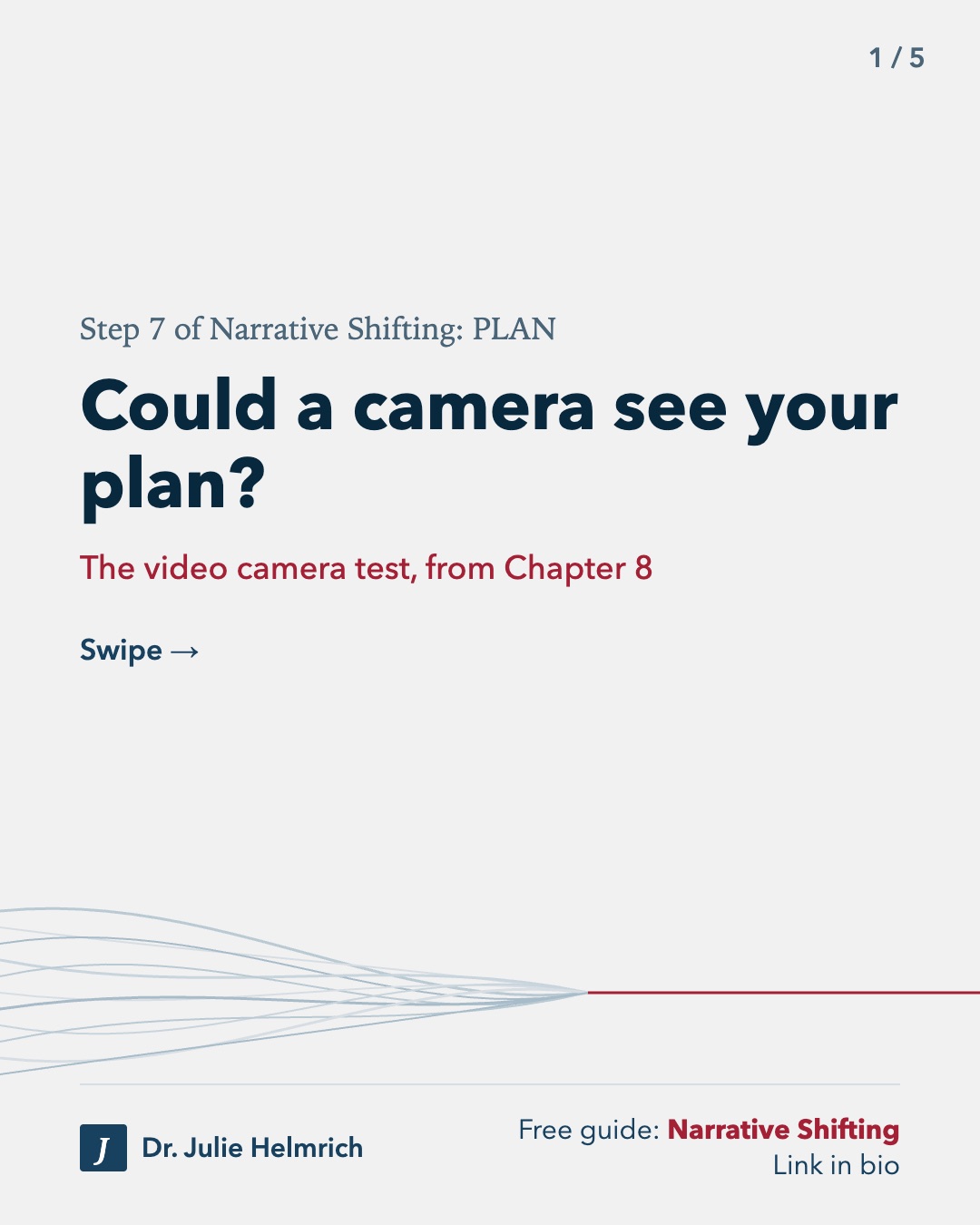
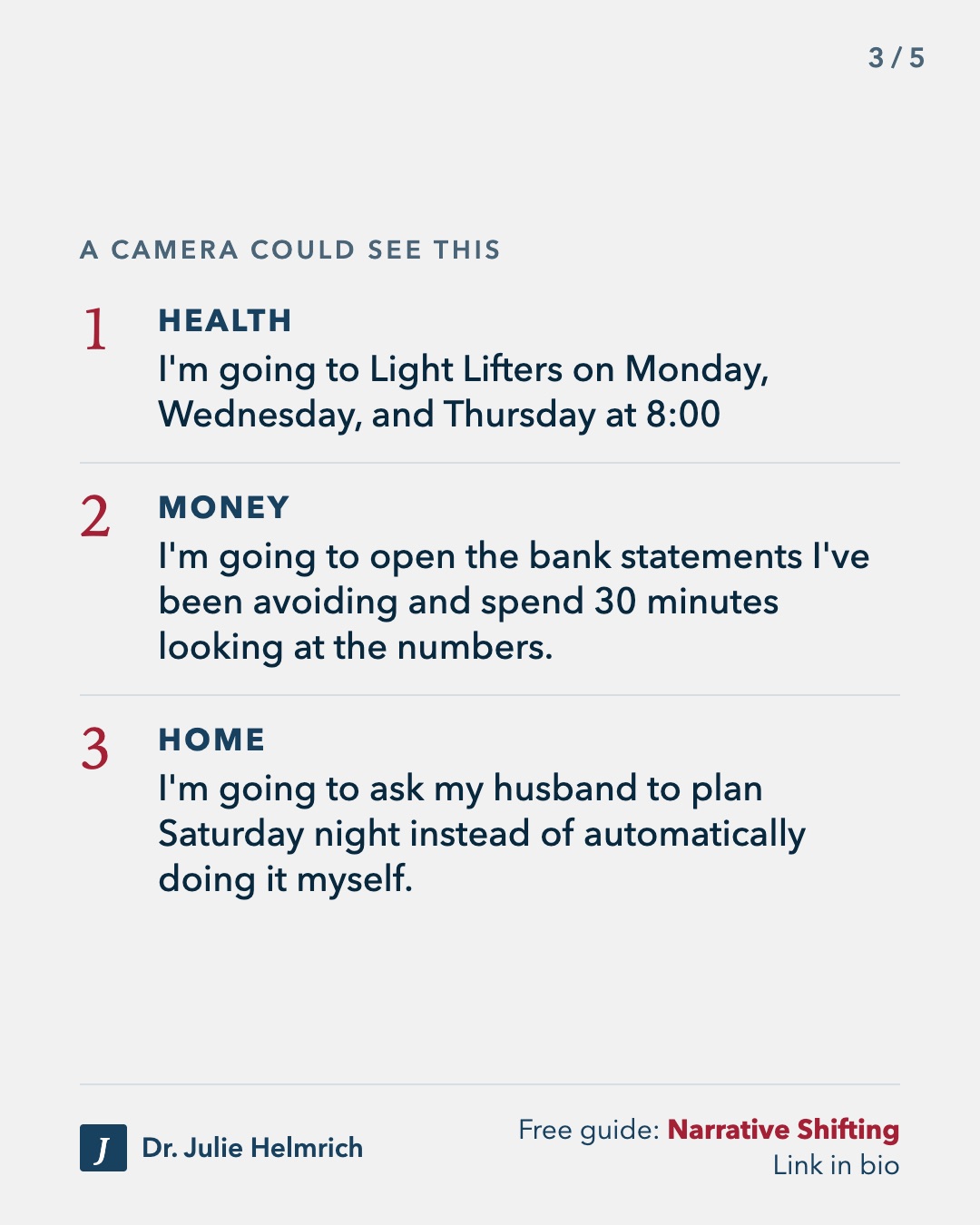
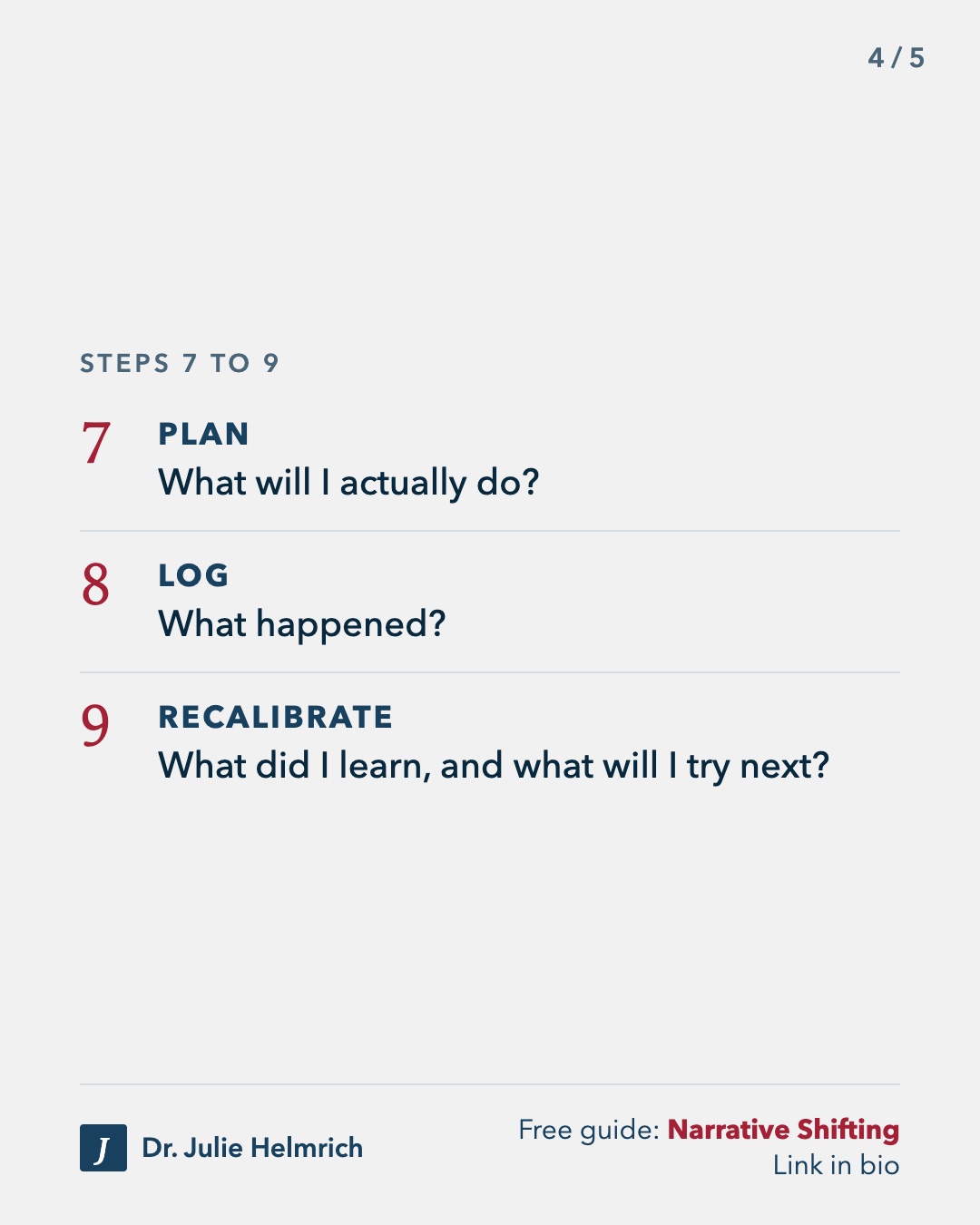
Plan: a new story has to turn into something a camera could see.
Dr. Julie HelmrichJust now · Public
She could write it in her journal every morning or put it on the bathroom mirror. But for the new narrative to begin organizing her life, she eventually has to do something.
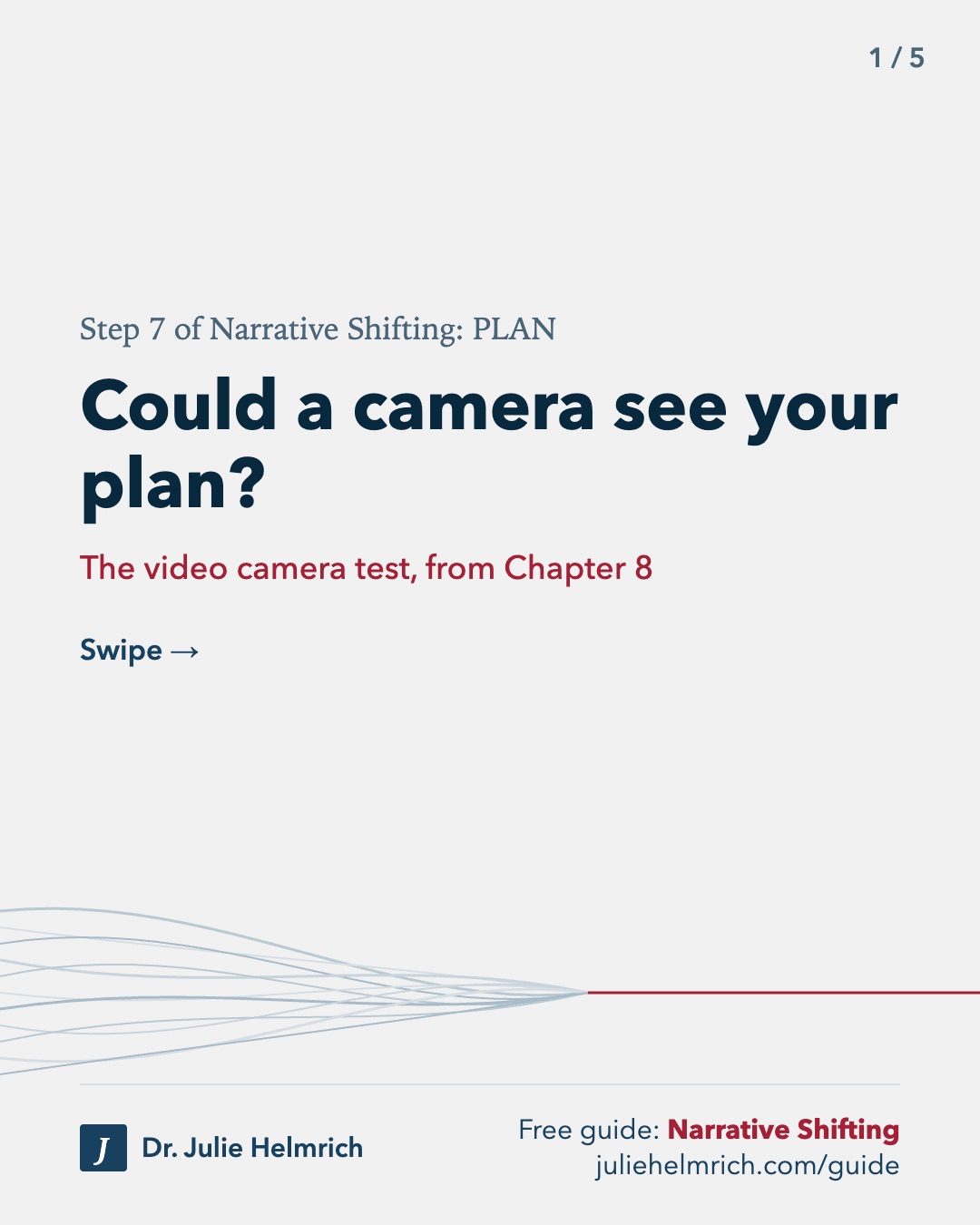
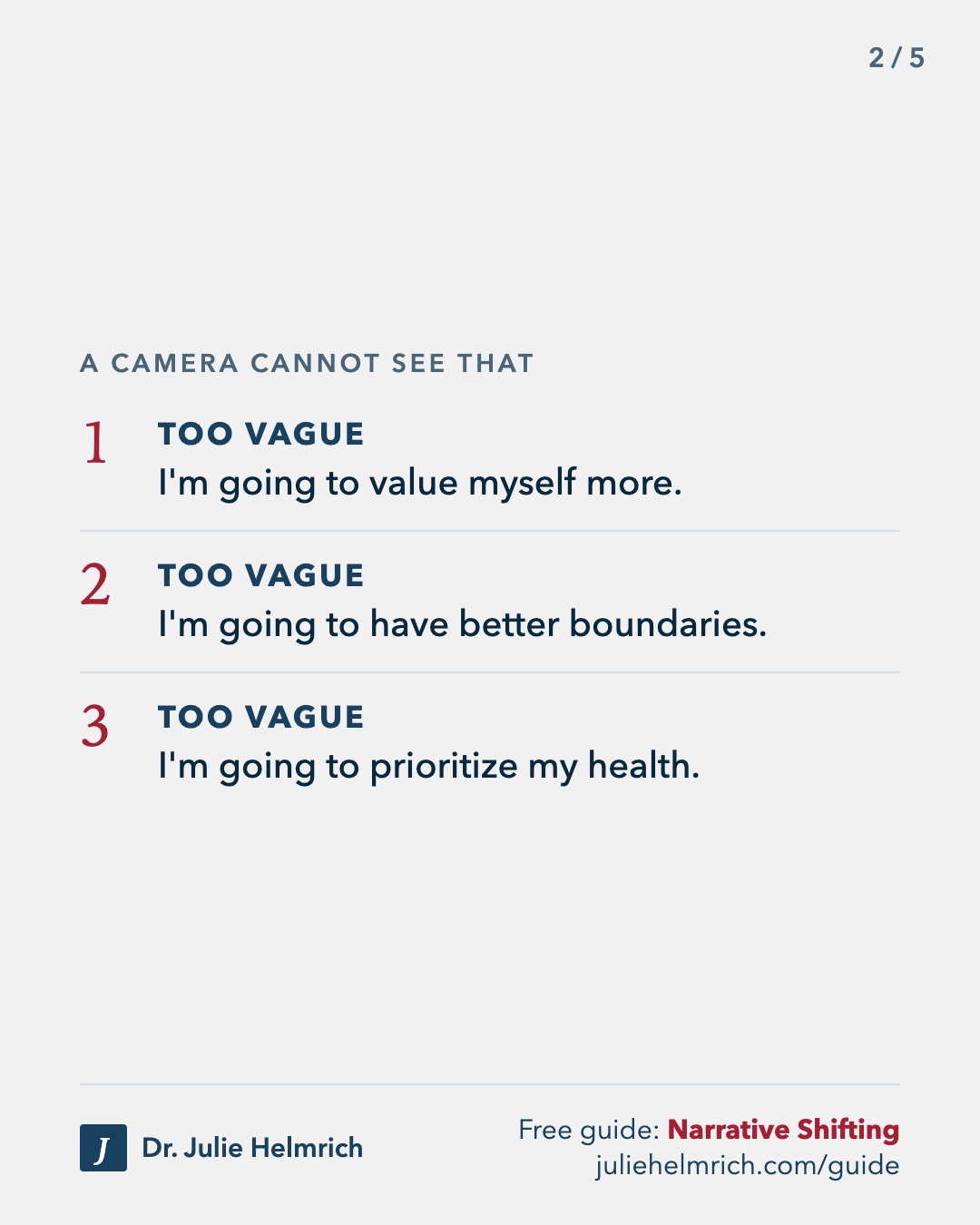
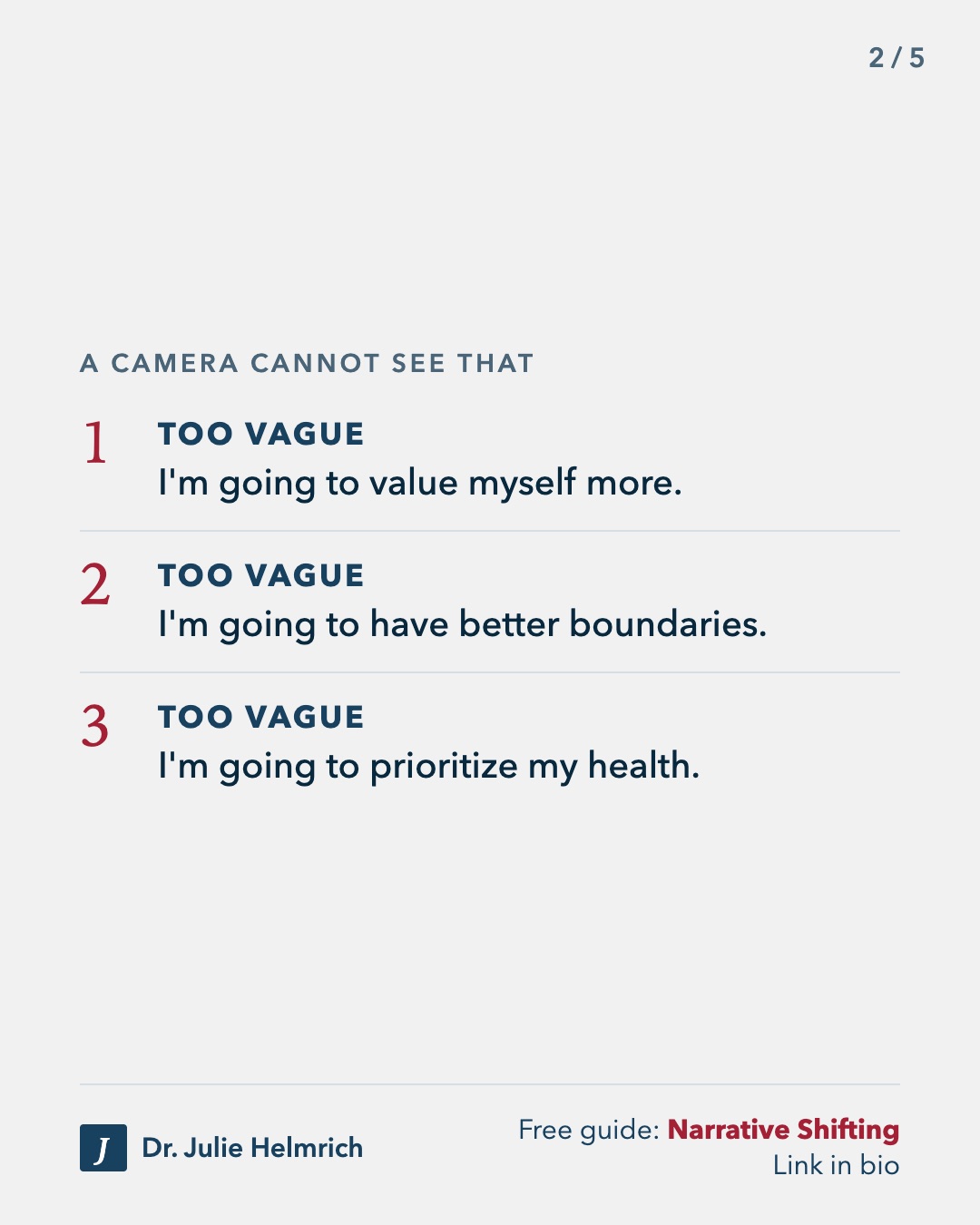
A plan identifies behavior that someone else could observe. I often use a video camera as the test.
I’m going to prioritize my health. Still too vague.
Now we have an experiment.
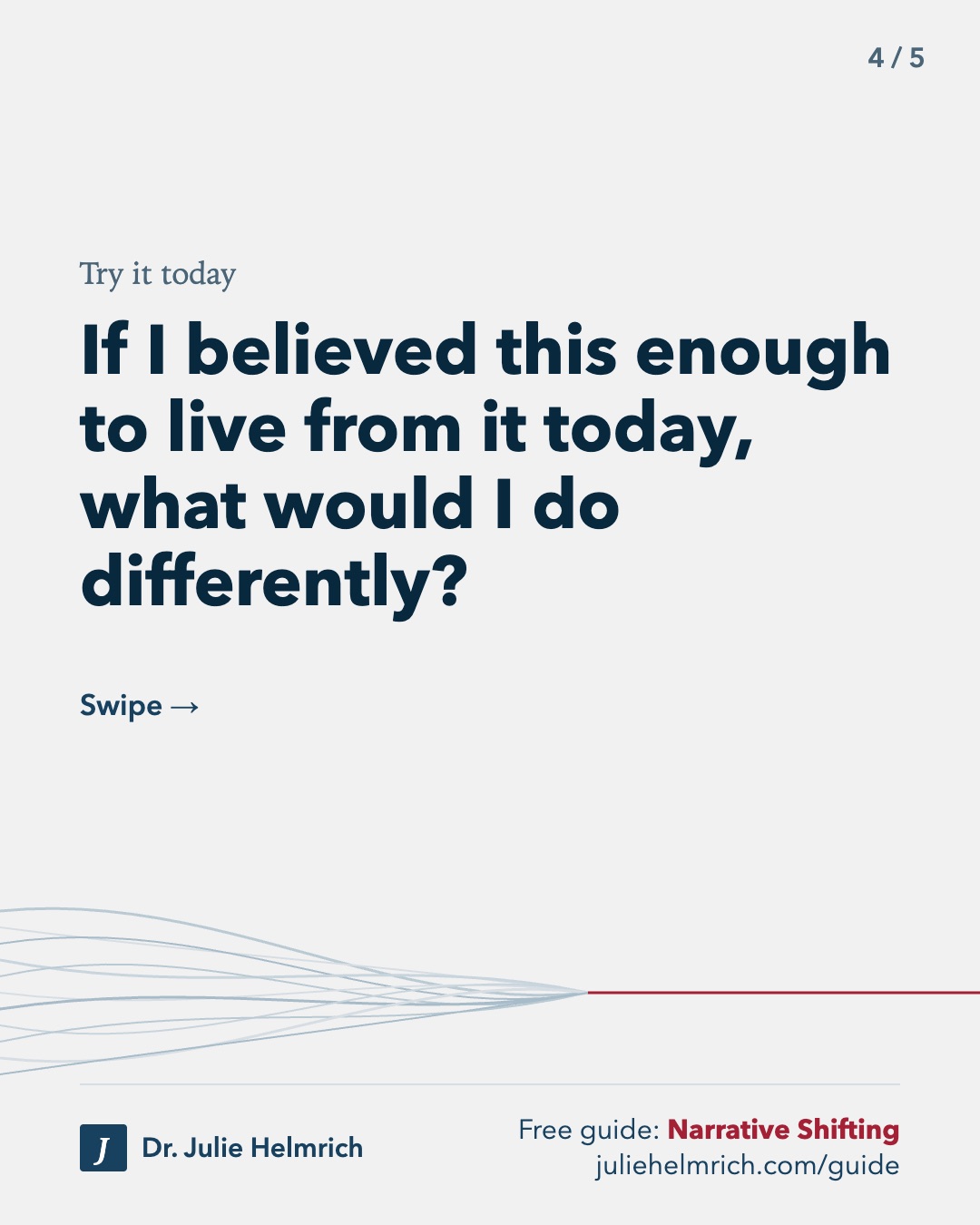
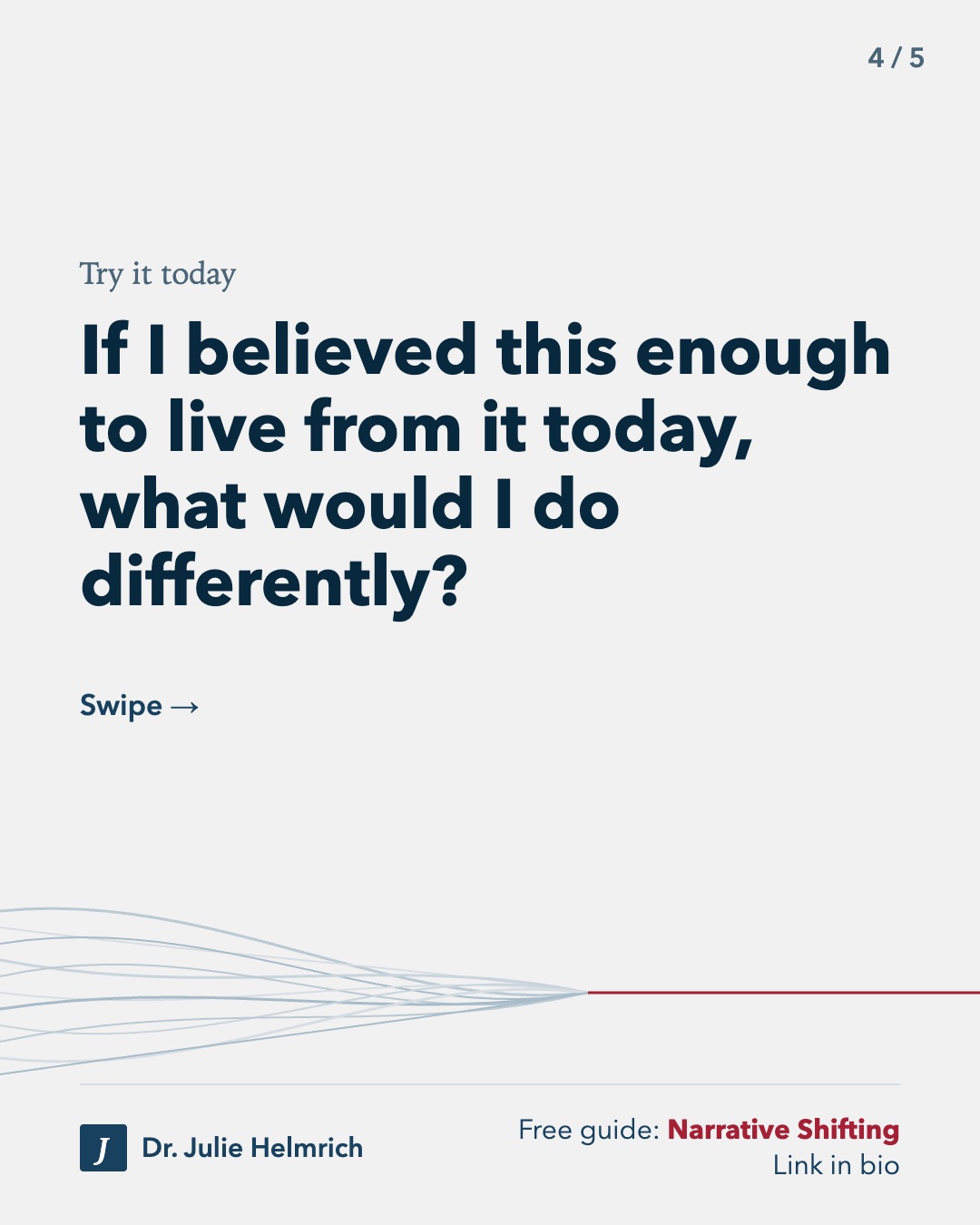
Try living from it and see what happens.
What's one thing a camera could see you do this week? Tell me in the comments.
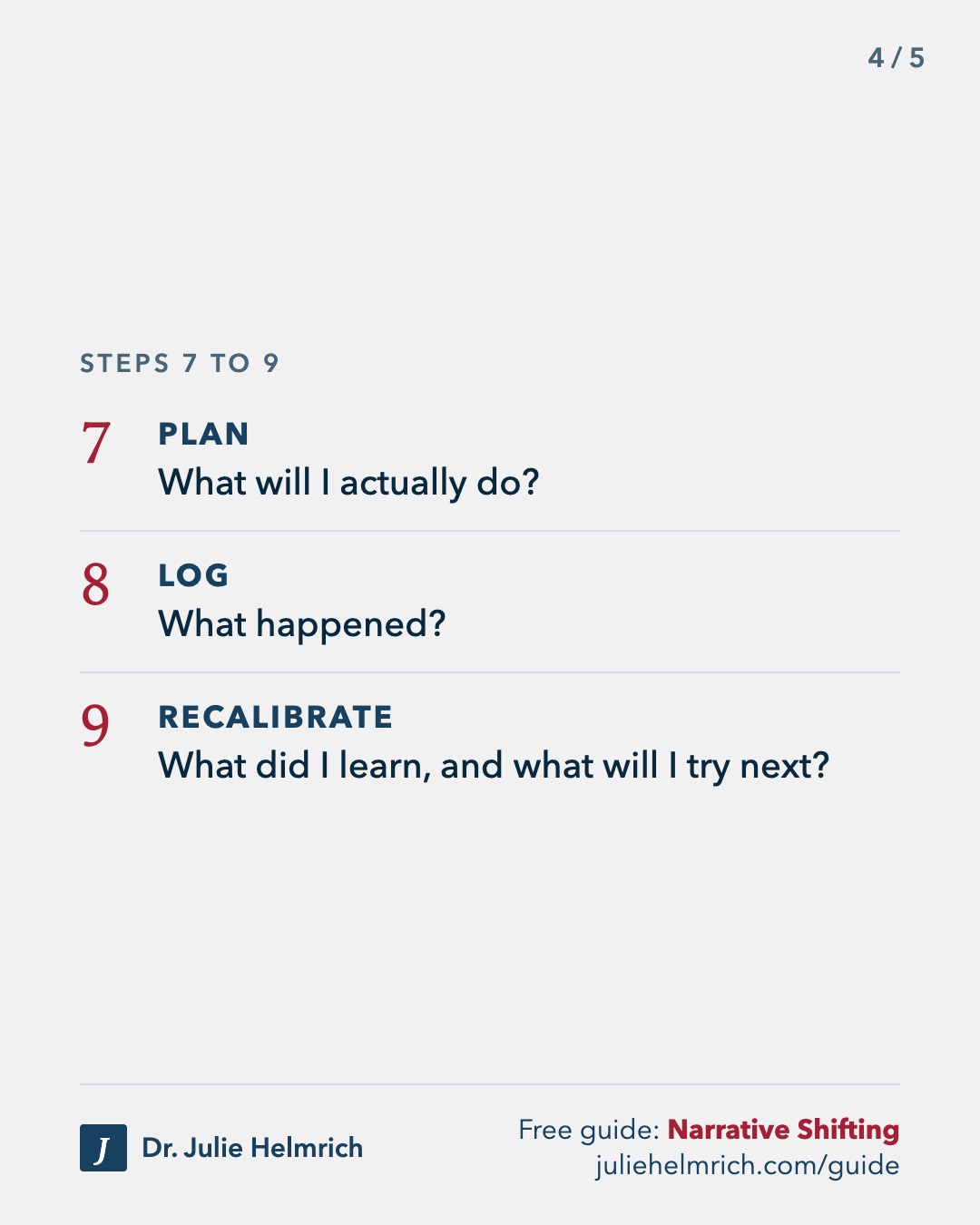
Step 7 of the nine steps in my free guide, Narrative Shifting.
That is not what logging is for. Think of it as using a GPS. In Step One, Purpose, you named a destination. Now that you are moving, logging asks: Where am I?
Am I heading toward the destination or away from it? Did I take the exit I planned to take? What actually happened when I tried something different?
Those answers are information, not a measure of your worth.
New narrative. Different choice. Different behavior. New experience. New evidence.
What happened the last time you tried something different? Tell me in the comments, no grade attached.
Step 8 of the nine steps in my free guide, Narrative Shifting.
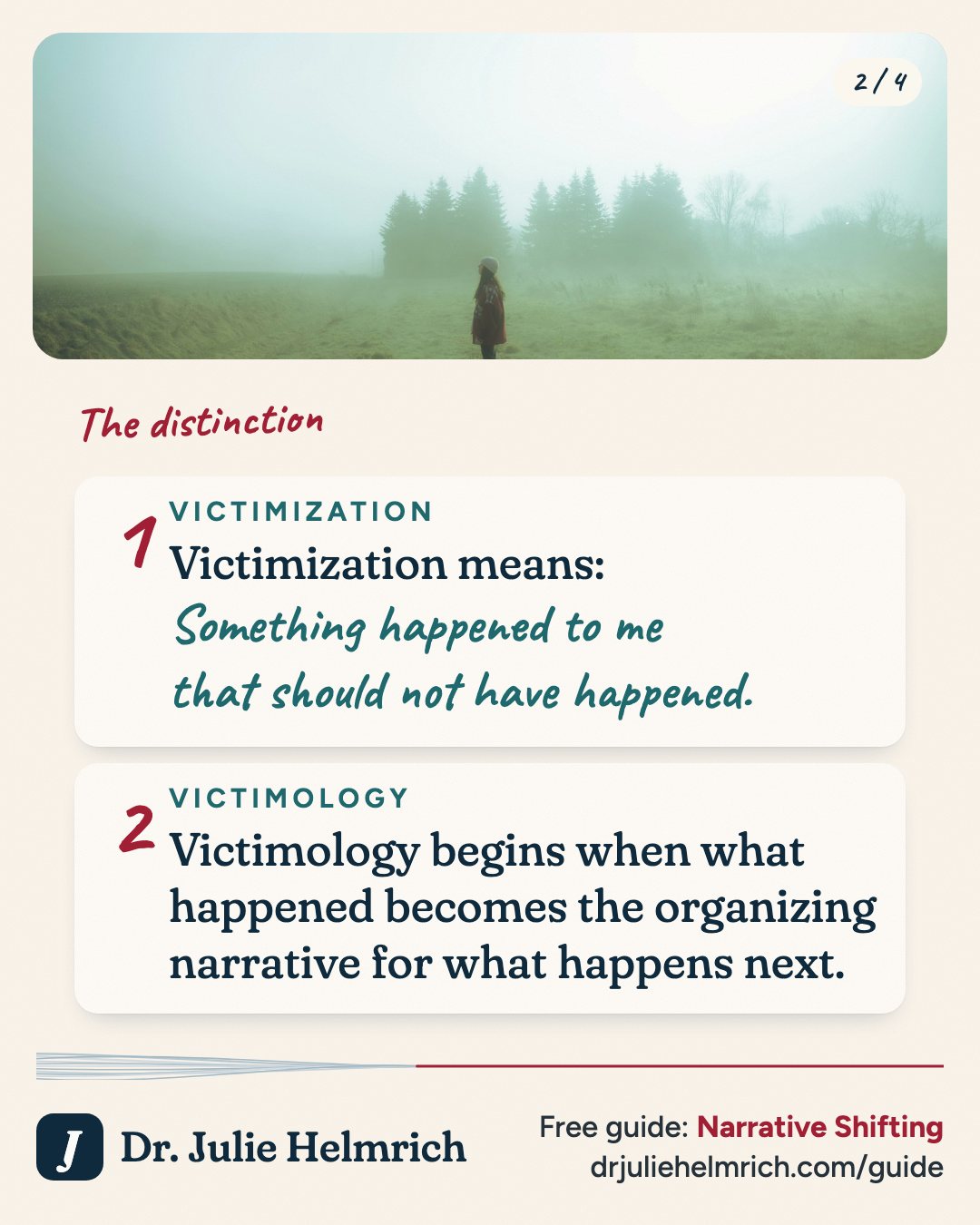
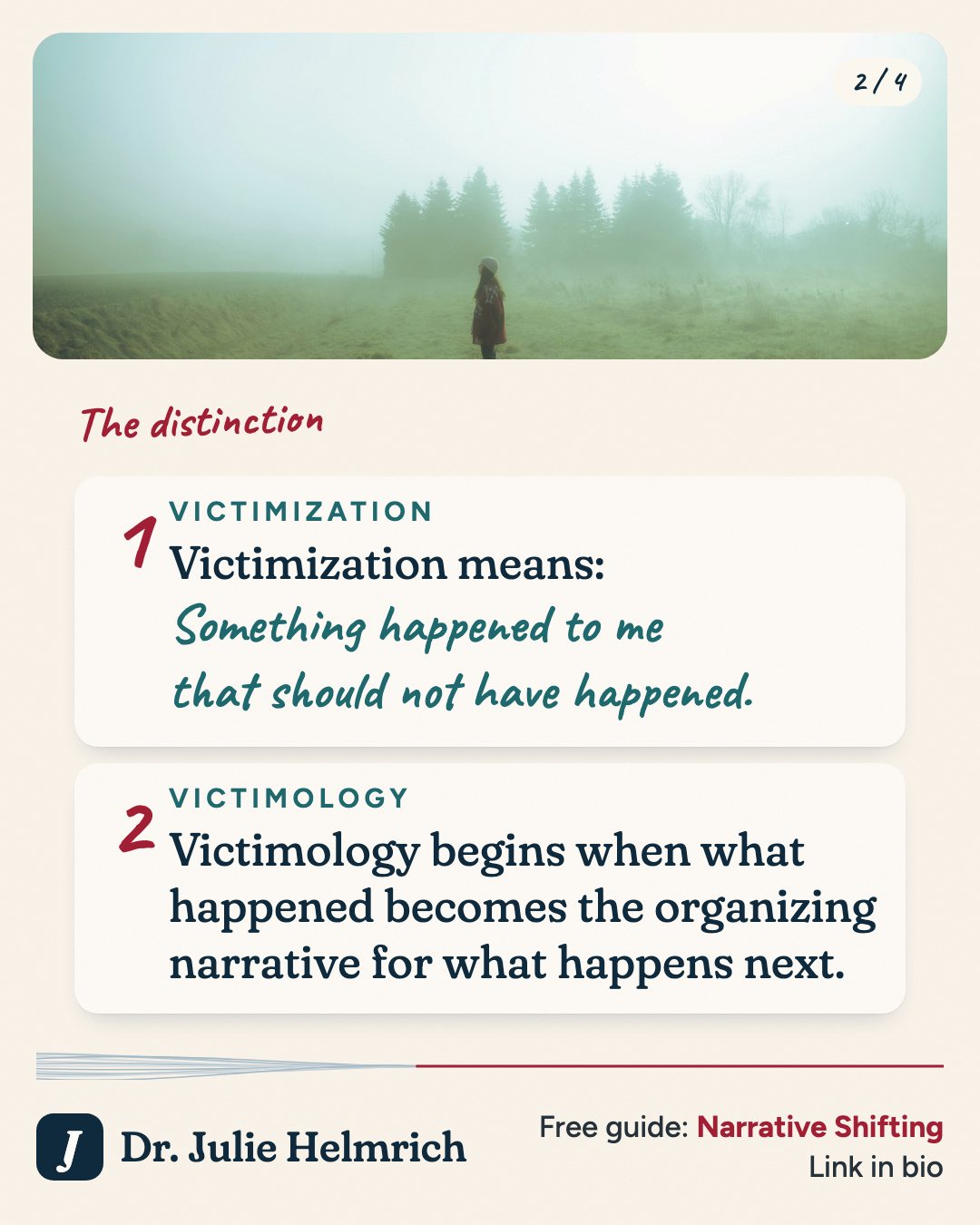
Here is a distinction I consider enormously important: Victimization and victimology are not the same thing.
Victimization means: Something happened to me that should not have happened.
Victimology begins when what happened becomes the organizing narrative for what happens next.
Narrative Shifting did not require her to rewrite history, decide the bad things were secretly good, or stop holding people responsible for what they had done.
A real story of persistence; tagging someone who kept showing up is easy and warm.
Dr. Julie HelmrichJust now · Public
When I first met her, she was having a very hard time.
She kept showing up. Week after week. Sometimes she was sad. Sometimes she cried. Sometimes her circumstances had barely changed. Still, she showed up and worked.
She was not trying to become more positive or convince herself that people had not hurt her.
One narrative at a time. One experiment at a time.
Who do you know that kept showing up? Tag them, or tell me in the comments.
The broken-leg analogy, which lets responsibility and fault sit in different places.
Dr. Julie HelmrichJust now · Public
It really is their fault. And.
Suppose somebody breaks your leg. It really is their fault. You did not imagine it or cause it. You do not need to be grateful for it.
But the person who broke your leg cannot do your physical therapy for you. You could spend years establishing exactly who was responsible for the injury and still be the person who has to do the exercises.
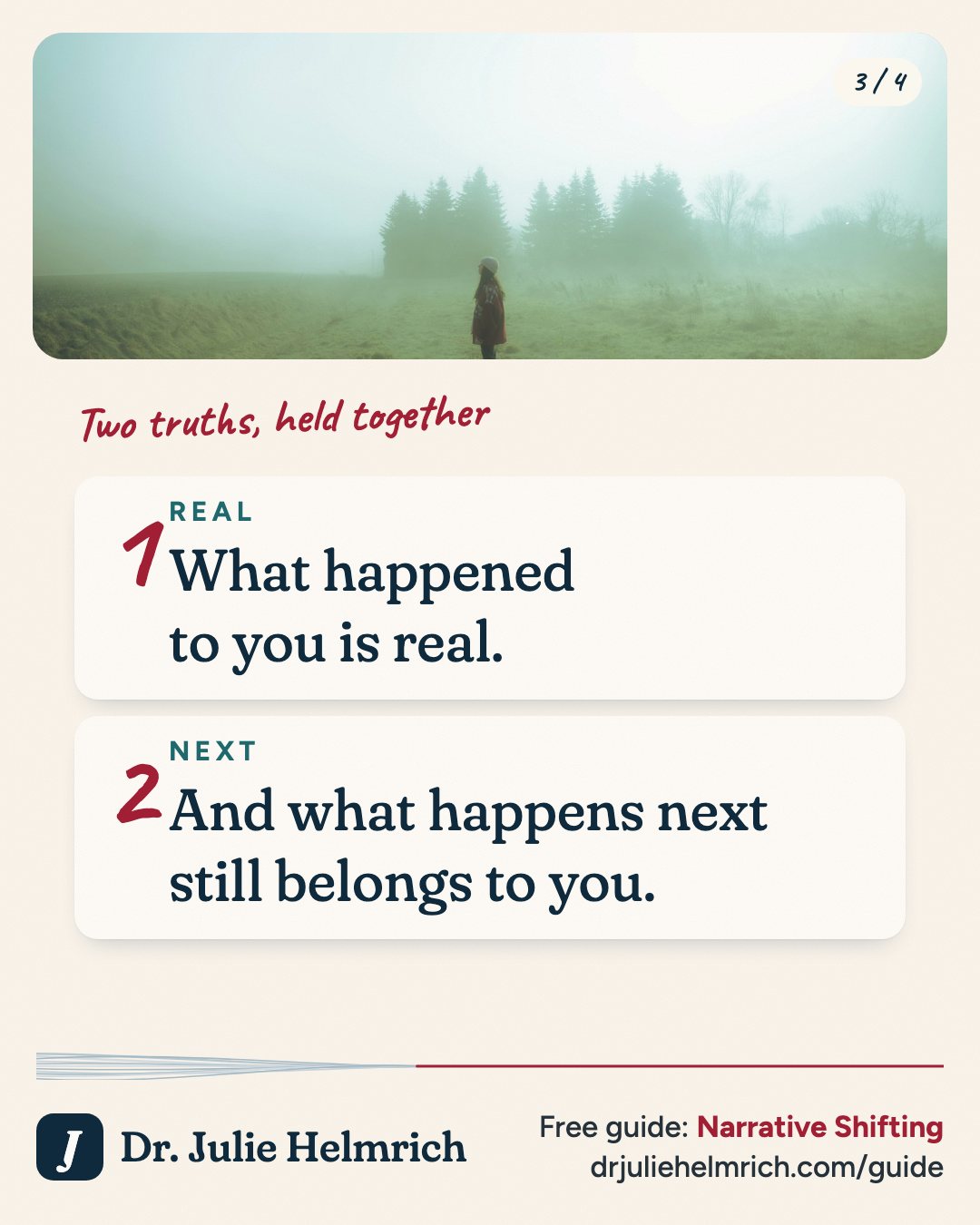
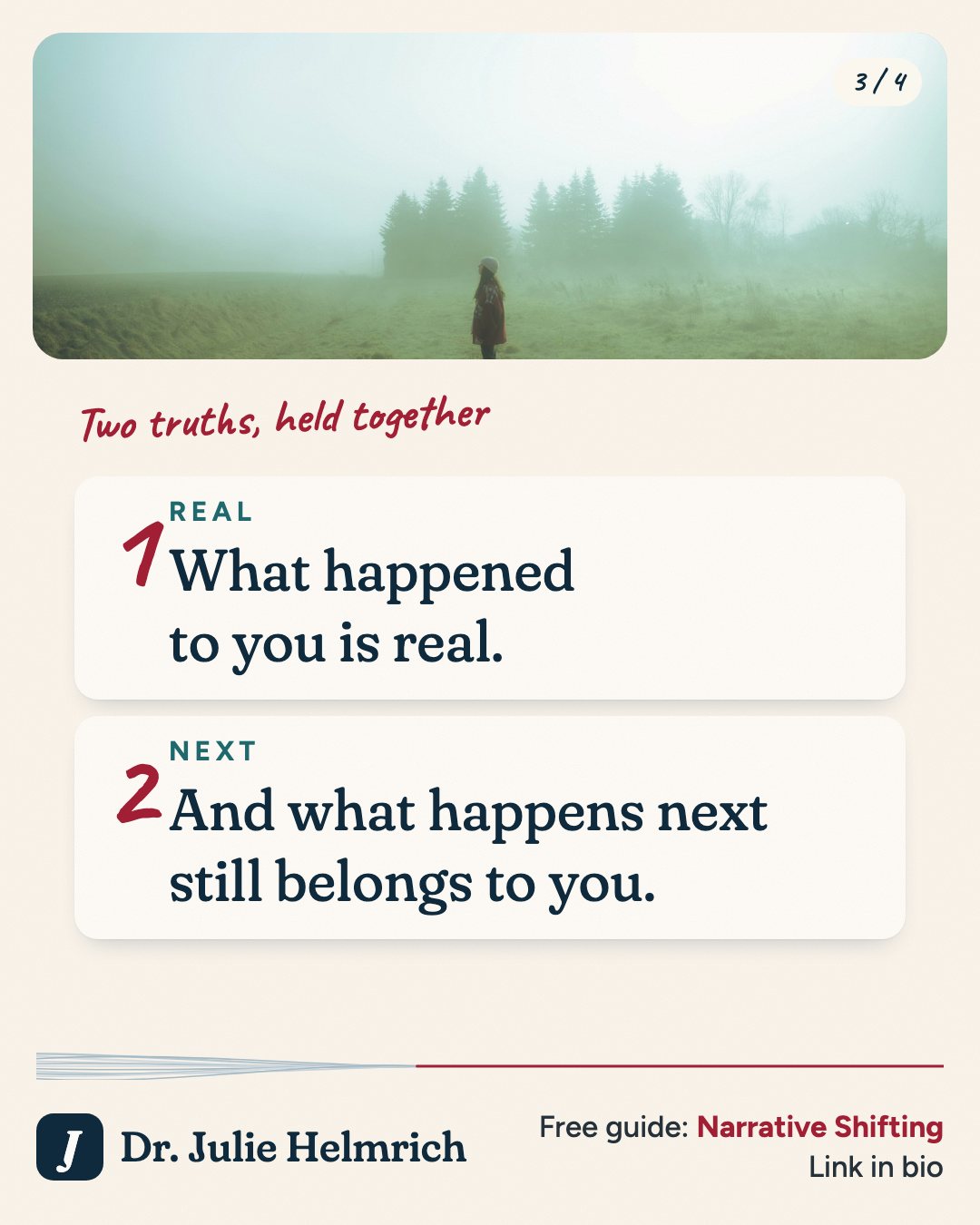
That is unfair. It is also the distinction: Responsibility for what you do next is not blame for what happened to you.
She had every right to say, This happened to me. Eventually, she also asked, And now what am I going to do?
Where has that distinction helped you, or where might it? Tell me in the comments.
Chapter 10 as a cover: you can explain all nine steps and still have the work ahead of you.
Dr. Julie HelmrichJust now · Public
Now you know the steps. You could probably explain them to someone else.
Knowing the formula isn’t the work.
Remember the man in Chapter 3? He could explain his pattern and say, I know that. Then he went home and lived much as he had before. Insight mattered, but it had not yet become integration.
The same person walks into every part of your life. You take your narratives with you.
Learn the steps. Practice them. Return to them when life changes.
Which step is the one you'd skip, if you're honest? Tell me in the comments.
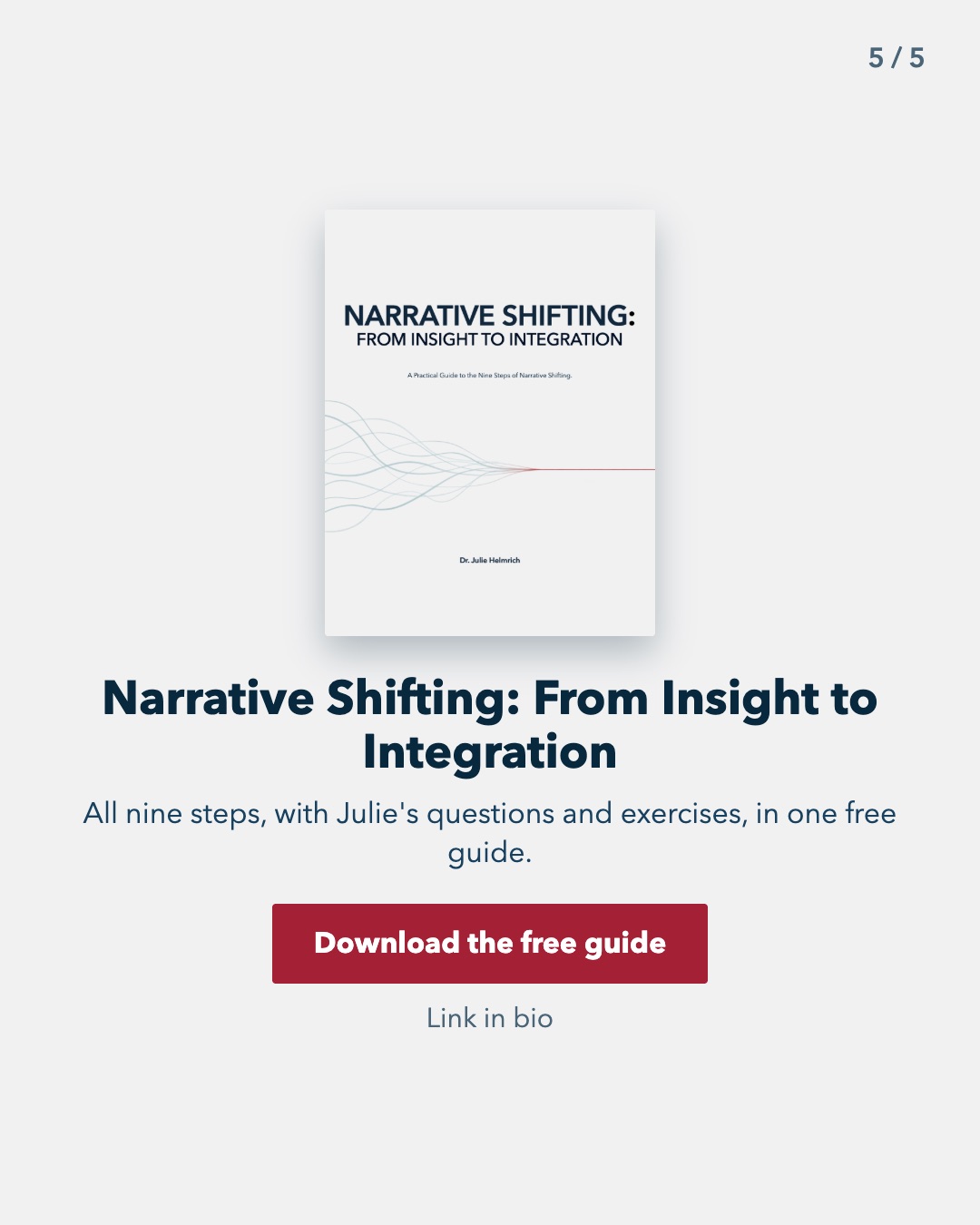
All nine, with the exercises, in my free guide, Narrative Shifting.
The whole method in one saveable post; the question shows which step people find hardest.
Dr. Julie HelmrichJust now · Public
Now you know the steps. You could probably explain them to someone else.
Knowing the formula isn't the work.
Integration happens in your actual life, with your actual spouse, family, bank account, body, work, and friendships. It happens on an ordinary Tuesday when you are tired and the story you thought you had changed shows up again.
Save this. Which step do you skip most often? Tell me the number.
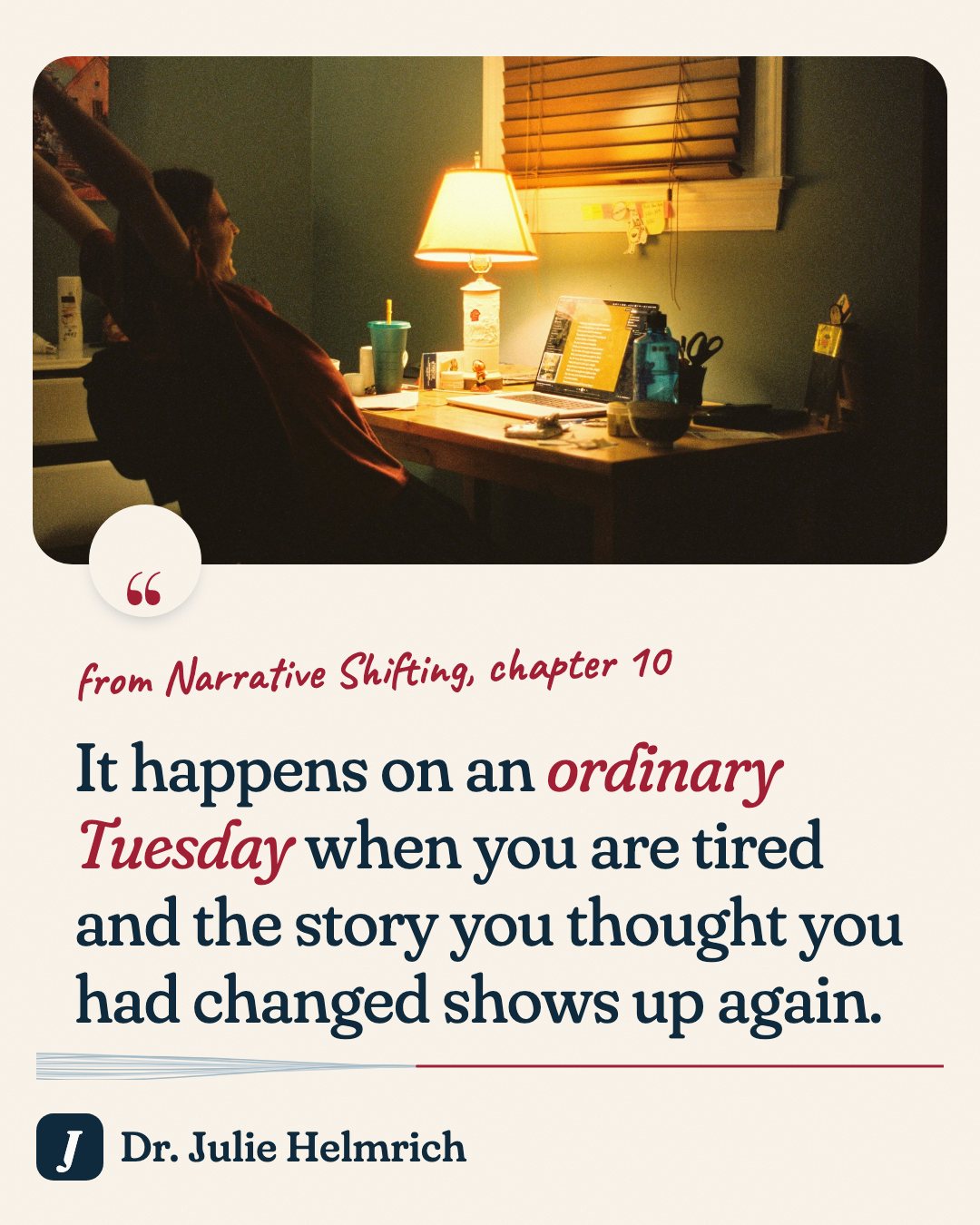
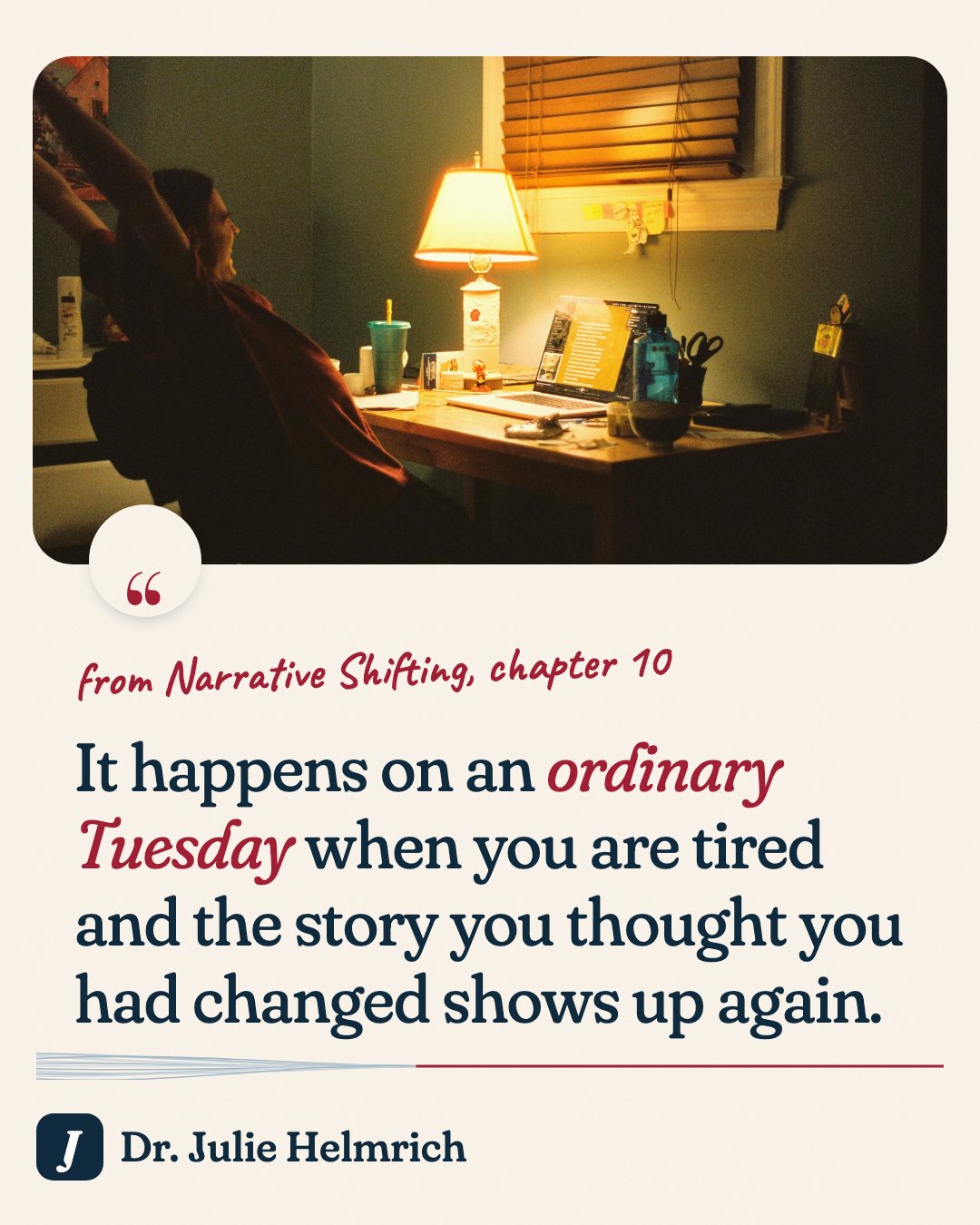
Post P57 · Chapter 10 · Quote card · Teaching post, no guide line
An ordinary Tuesday
Teaching post, no guide line: where integration actually happens.
Dr. Julie HelmrichJust now · Public
Integration happens in your actual life, with your actual spouse, family, bank account, body, work, and friendships.
It happens on an ordinary Tuesday when you are tired and the story you thought you had changed shows up again.
Then life shows you another place where the same narrative is operating.
The work you began around money appears in your marriage. The story you noticed in your health has fingerprints in your friendships. What seemed like a work problem shows up at home.
Not in the journal. On a Tuesday.
LikeCommentShare
Dr. Julie Helmrich
♡○➤□
It happens on an ordinary Tuesday when you are tired and the story you thought you had changed shows up again.
Permission to slip; people share what helps them start over.
Dr. Julie HelmrichJust now · Public
Life will keep happening while you practice. You will get tired, busy, distracted, or hurt. You may have three good weeks and then do exactly what you had planned to stop doing.
The goal is not to become someone who never returns to an old narrative. The goal is to notice sooner, get curious instead of ashamed, and know how to begin again.
What helps you begin again? Tell me in the comments.
The goal is not to become someone who never returns to an old narrative. The goal is to notice sooner, get curious instead of ashamed, and know how to begin again.
What does beginning again look like on a team?
From Chapter 10 of my free guide, Narrative Shifting.